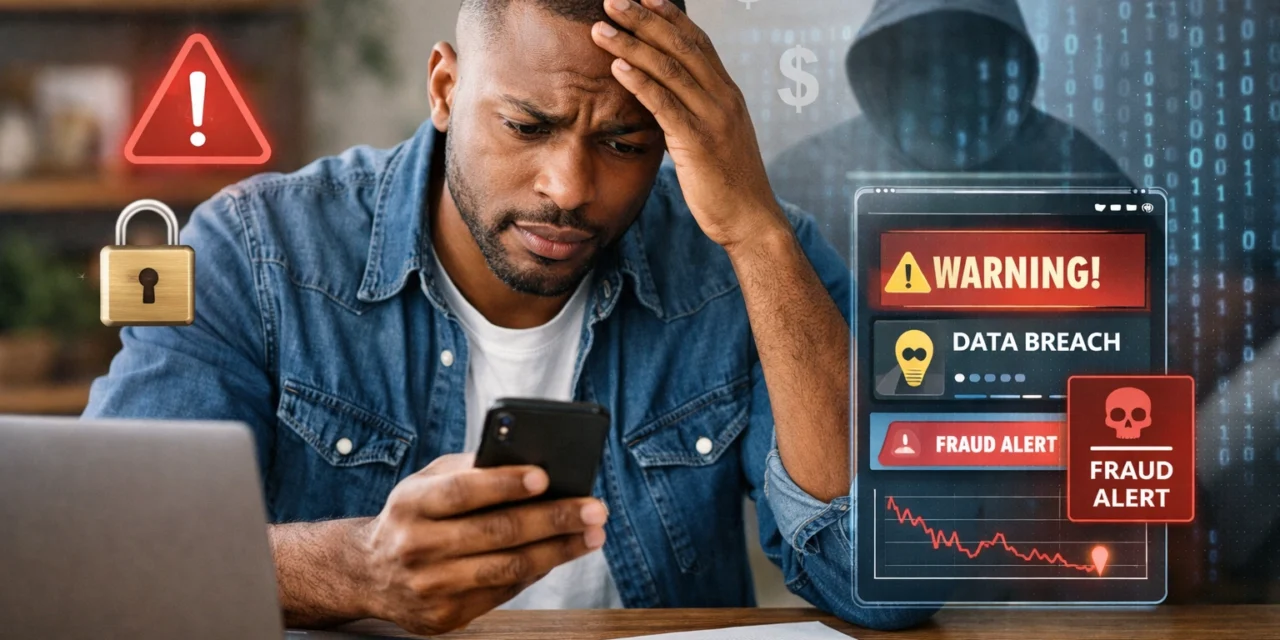
Financial technology applications have transformed how millions of individuals manage their money, yet significant vulnerabilities remain in how users interact with these platforms. While fintech companies continue to innovate at remarkable speeds, the gap between technological capability and user security awareness grows wider. Understanding the critical mistakes that compromise financial security represents an essential step toward protecting personal assets in an increasingly digital financial landscape.
Mistake #1: Choosing Apps Without Verifying Security Infrastructure
The first and most significant error users make involves downloading and using fintech applications without researching the underlying security measures protecting their financial data. Many fintech companies implement weak anti-money laundering programs and insufficient identity verification systems, creating vulnerabilities that expose user accounts to fraud and unauthorized access (FinCEN, 2024). These security gaps occur when companies treat compliance programs as mere paperwork exercises rather than functional protective systems.

Your financial security depends on selecting applications from established fintech companies that publicly document their compliance certifications and verification processes. Before depositing funds or linking bank accounts, users should verify that the company holds required licenses through FinCEN or relevant state financial regulators. This verification process takes mere minutes but provides crucial insight into whether the platform maintains adequate security standards.
Mistake #2: Neglecting Data Privacy Settings and Protection Measures
Users frequently overlook the critical importance of reviewing privacy policies and configuring security settings within fintech applications. Research indicates that many fintech platforms fail to implement proper encryption and data handling procedures across all aspects of their service (NIST, 2024). A company may encrypt transactions perfectly while simultaneously neglecting fundamental privacy safeguards for personal information stored within user profiles.
The solution involves taking deliberate steps to strengthen account security immediately after registration. Enable two-factor authentication on every fintech application that offers this feature. Create unique, complex passwords for each platform rather than reusing credentials across multiple services. Avoid storing sensitive documents or excessive personal information within the application itself. These protective measures significantly reduce vulnerability to data breaches and unauthorized account access.
Mistake #3: Accepting Complex or Unclear Verification Processes
Many users proceed through confusing or unnecessarily complicated verification flows without recognizing these complications as warning signs of deeper architectural problems. When a fintech application's onboarding process appears overly complex or fails to clearly explain what data is collected and why, it often signals underlying security issues within the platform's design (ISO, 2024). Companies with robust security infrastructure create straightforward, transparent verification procedures that respect user time while maintaining appropriate safeguards.

The decision to abandon a fintech app with unclear verification processes and select a more transparent alternative represents sound financial judgment rather than unnecessary caution. Established platforms demonstrate stability through consistent performance and clear communication throughout the user journey. This clarity extends beyond initial verification to encompass every interaction with the application, from fund transfers to account modifications.
Mistake #4: Using Newly Launched Apps Without Adequate Testing History
The excitement surrounding innovative fintech solutions often leads users to adopt newly launched applications before these platforms demonstrate stability and security through extended real-world testing. Fintech apps that require frequent security patches or exhibit inconsistent performance indicate that companies did not conduct thorough testing before launch (OWASP, 2024). These testing gaps create opportunities for security vulnerabilities and operational failures that directly impact user funds.
A measured approach involves allowing new fintech platforms time to establish track records before entrusting them with significant financial assets. Start with established platforms that have demonstrated consistent security practices and stable operations over extended periods. Monitor user reviews and industry news for insights into platform reliability. When experimenting with newer applications, deposit minimal funds initially to evaluate functionality and security features without risking substantial financial loss.
Mistake #5: Failing to Monitor Regulatory Compliance Updates
Users who treat their selection of a fintech app as a permanent decision overlook the dynamic nature of financial regulation and company compliance. Companies that view compliance as a completed milestone rather than ongoing practice fall behind on regulatory changes, creating operational vulnerabilities that affect all users (Federal Reserve, 2024). Regulatory landscapes shift continually as governments respond to emerging threats and technological developments in the financial sector.
Active monitoring of news regarding regulatory changes affecting specific fintech service types enables informed decisions about whether to maintain accounts with particular platforms. Consider switching to applications from companies with documented, active compliance records when current providers demonstrate patterns of regulatory violations or compliance failures. Financial regulators publish enforcement actions and compliance orders publicly, providing transparent insight into company practices and commitment to user protection.
Mistake #6: Ignoring Third-Party Integration Vulnerabilities
The modern fintech ecosystem relies extensively on external vendors for payment processing, data verification, and numerous other essential services. Users frequently fail to recognize that security depends not only on the primary application but also on every third-party provider integrated into the platform's infrastructure. Many fintech companies neglect proper vetting of these external partners, and a weak third-party vendor can compromise entire user accounts regardless of the primary platform's security measures (PCI Security Standards Council, 2024).

Protecting financial assets requires researching which payment processors and verification partners an application uses before establishing accounts. Prioritize applications that utilize well-known, regulated financial infrastructure providers with established security track records. Information about third-party integrations often appears in platform documentation, terms of service, or privacy policies. When this information remains unavailable or unclear, consider it a red flag warranting additional scrutiny or alternative platform selection.
Mistake #7: Tolerating Poor User Experience in Security-Critical Functions
The final significant mistake involves accepting fintech applications with poor user interfaces, particularly during security-critical operations such as fund transfers or identity verification. Apps with unclear design create confusion during essential steps, increasing the likelihood of user error that can result in financial loss or security compromise (Nielsen Norman Group, 2024). Clear, intuitive interfaces represent more than convenience features: they constitute essential components of comprehensive security architecture.
Before depositing significant funds into any fintech application, test core features thoroughly to ensure you can easily locate security settings, understand transaction confirmations, and navigate essential functions without confusion. An application that creates uncertainty during routine operations will likely compound that confusion during security incidents when clear thinking and rapid response prove most critical. User experience quality directly correlates with security effectiveness in financial technology platforms.
Taking Immediate Protective Action
The path forward requires deliberate steps to strengthen financial security across all fintech applications currently in use. Begin by conducting comprehensive audits of existing accounts, verifying company legitimacy, reviewing security settings, and researching recent security incidents associated with each platform. Search for company names combined with terms like "breach" or "fine" to identify past compliance failures that may indicate ongoing vulnerabilities.
Implement transaction alerts across all accounts and review statements regularly for unauthorized activity. This active monitoring creates early warning systems that detect security compromises before they result in significant financial loss. The combination of careful platform selection, robust security configuration, and vigilant monitoring establishes comprehensive protection in the evolving fintech landscape.
Financial technology continues advancing at remarkable speed, creating unprecedented opportunities for convenient money management alongside new security challenges. By avoiding these seven critical mistakes and implementing protective measures consistently, users position themselves to benefit from fintech innovation while maintaining essential safeguards for their financial assets. The responsibility for security exists as a shared endeavor between fintech companies and informed users who understand and actively manage the risks inherent in digital financial services.