
Category: Technology
Smart home technology represents one of the most significant advancements in modern living. From voice-controlled lighting to intelligent thermostats, these devices promise convenience, efficiency, and enhanced security. Yet, despite their growing popularity, many homeowners find themselves frustrated by devices that fail to communicate, systems that lag, and automation that simply does not work as expected.
The reality is that building a functional smart home requires more than purchasing the latest gadgets. It demands thoughtful planning, proper configuration, and an understanding of how these technologies interact. The good news is that most smart home problems stem from common, fixable mistakes. Understanding these pitfalls can transform a frustrating experience into a seamless, automated living environment.
This guide explores seven critical mistakes frequently made with smart home devices and provides actionable solutions to address each one.
Mistake #1: Underestimating Wi-Fi Requirements
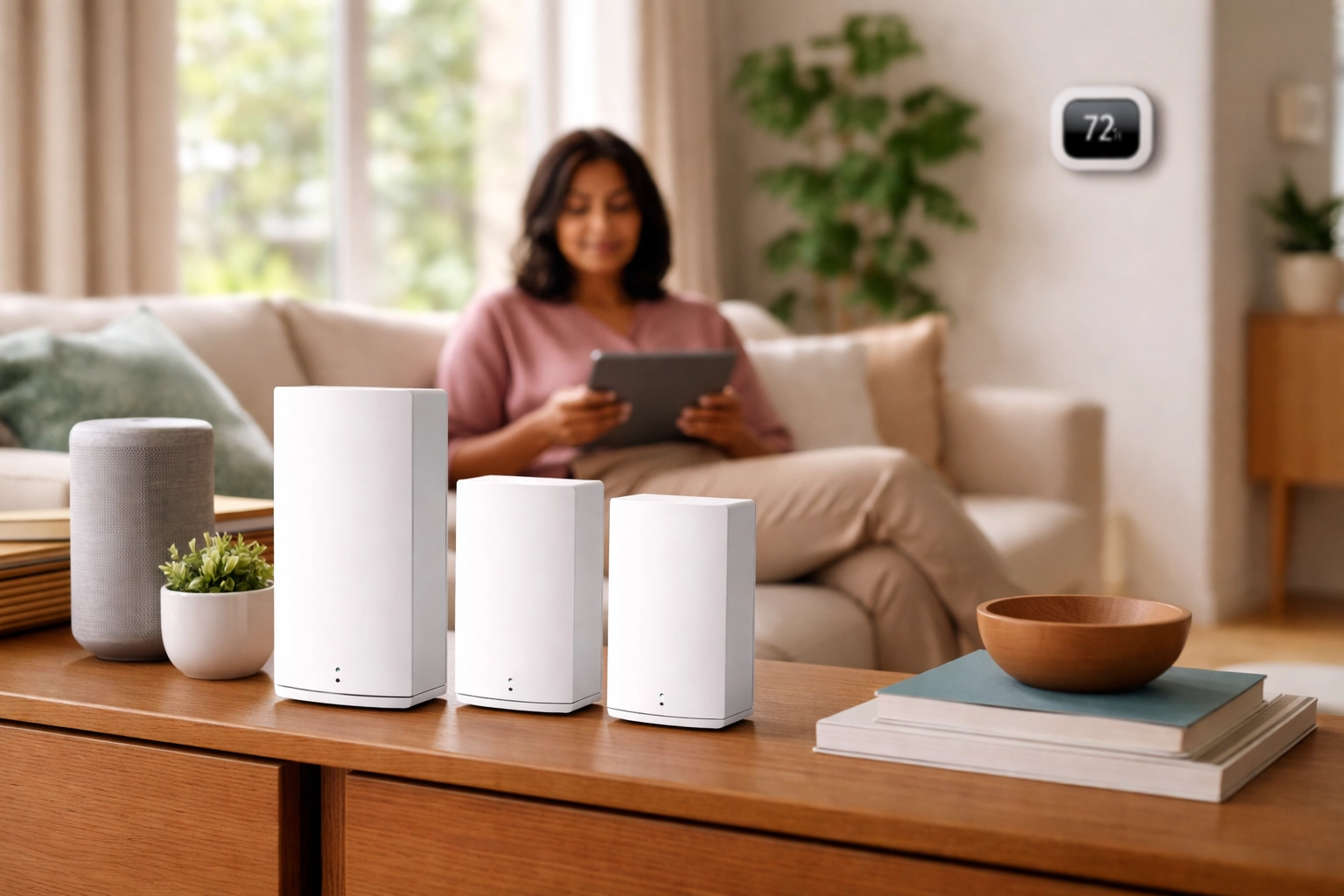
Inadequate Wi-Fi coverage stands as one of the most prevalent problems in smart homes (Digital Trends, 2024). Smart devices depend on strong, reliable connectivity to receive commands from smartphones and integrate with smart home hubs. When the network struggles, every device in the home suffers: from delayed responses to complete disconnections.
The Solution: Begin by restarting the router and affected devices to clear temporary connectivity issues. Position the router centrally within the home for optimal signal distribution. For larger residences, investing in a mesh network system provides comprehensive coverage, while Wi-Fi extenders offer a budget-friendly alternative for addressing specific dead zones (TechHive, 2024).
A robust network foundation makes all other smart home improvements possible. Without it, even the most advanced devices cannot perform as intended.
Mistake #2: Purchasing Incompatible Devices
The assumption that all "smart" devices work together leads many consumers astray. Not all smart devices communicate with each other, even when bearing similar branding or marketing claims. Purchasing devices that lack support for common protocols results in wasted investment and considerable frustration (TechHive, 2024).
The Solution: Before any purchase, review manufacturer specifications carefully to confirm compatibility with existing devices and platforms. Seek out products supporting emerging standards like Matter, a protocol designed to enable cross-platform communication between different assistants and ecosystems (Digital Trends, 2024).
Taking time to research compatibility before buying prevents the accumulation of orphaned devices that cannot integrate into the broader smart home system.
Mistake #3: Mixing Incompatible Ecosystems
Choosing devices locked into a single ecosystem: whether Amazon, Google, or Apple: creates limitations that may not become apparent until much later. Switching platforms becomes problematic when existing devices cannot transfer to a new ecosystem (Digital Trends, 2024).
The Solution: Evaluate devices already present in the home. Those with Fire TV devices or Amazon tablets may find aligning with the Amazon ecosystem most practical. Android users often experience smoother integration with Google's platform. The key lies in building a device collection around a single smart home platform rather than mixing incompatible ecosystems (TechHive, 2024).
Consistency in ecosystem selection provides a foundation for growth and ensures that new additions integrate smoothly with existing devices.

Mistake #4: Neglecting Security Measures
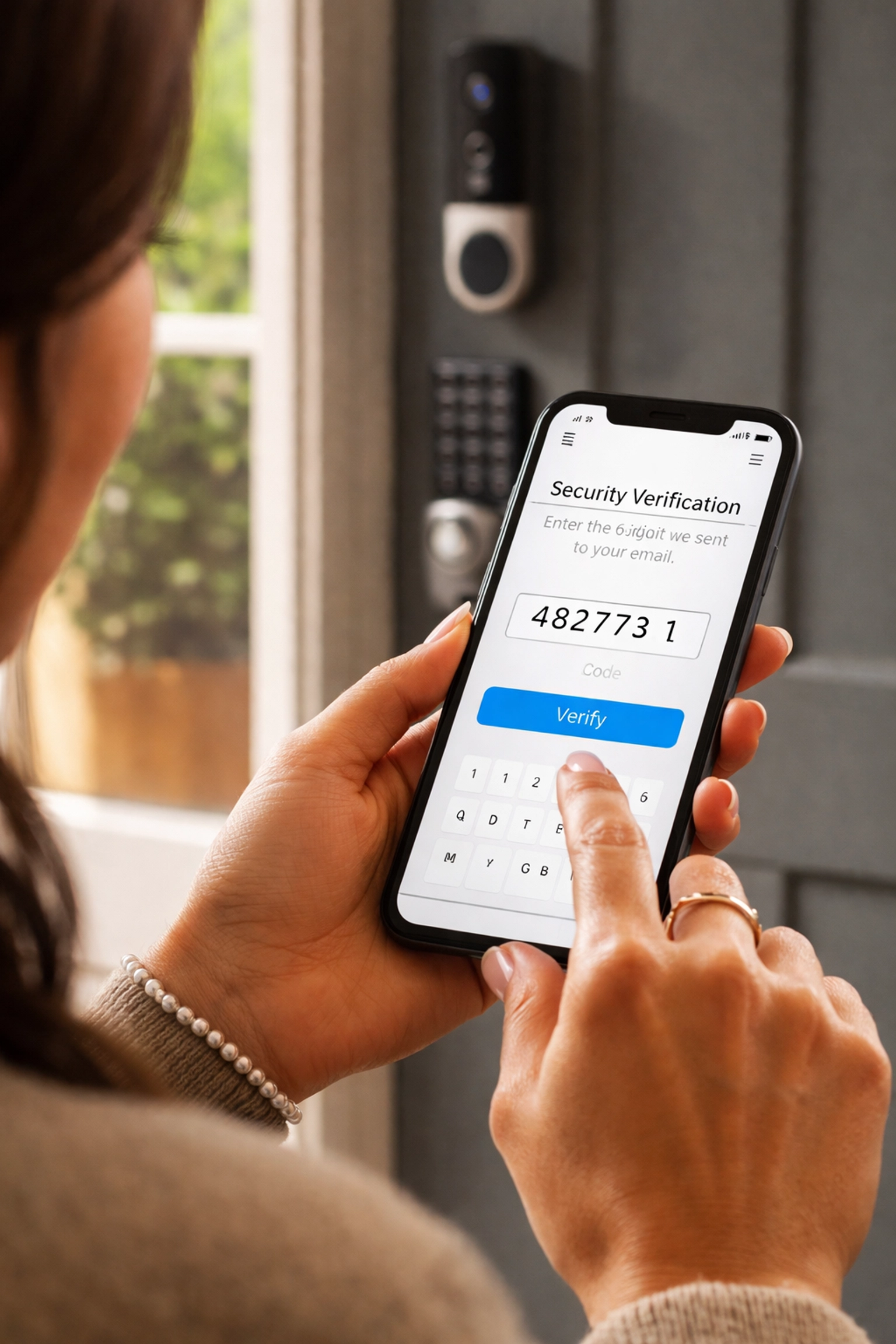
Smart home security vulnerabilities present serious risks that many homeowners overlook. Common lapses include retaining default passwords, using weak credentials, neglecting firmware updates, operating on unsecured Wi-Fi networks, and failing to enable Two-Factor Authentication (SafeWise, 2024).
These oversights can expose personal data, allow unauthorized access to home systems, and compromise physical security measures like smart locks and cameras.
The Solution: Change default passwords on every device immediately upon installation. Create strong, unique passwords for each device and account. Enable Two-Factor Authentication (2FA) wherever available. Maintain regular firmware update schedules, utilize modern Wi-Fi encryption such as WPA3 when possible, and exercise caution with suspicious communications (SafeWise, 2024).
Security should never be treated as an afterthought. It represents the foundation upon which all other smart home benefits rest.
Mistake #5: Ignoring Network Range and Protocol Limitations
Certain smart devices utilizing protocols like Zigbee or Z-Wave operate with limited range capabilities. These devices often "piggyback" signals off each other, meaning connectivity failures occur when devices spread too far apart (CNET, 2024). This technical limitation catches many homeowners by surprise after installation.
The Solution: Review manufacturer specifications for expected range before purchasing any device. Position devices within recommended distances of hubs or routers. For situations where distance presents challenges, repeaters and extenders bridge gaps effectively (TechHive, 2024).
Understanding the physical limitations of wireless protocols allows for strategic device placement that maximizes reliability.
Mistake #6: Choosing Smart Bulbs Over Smart Switches
Many homeowners install smart bulbs expecting dramatic home automation capabilities. However, experience often reveals that smart switches provide greater practicality for everyday use (Digital Trends, 2024). Smart bulbs introduce complications: light switches must remain constantly on, and original functionality becomes compromised when bulbs lose power (Home Assistant Community, 2024).
The Solution: Prioritize smart switches over smart bulbs for most lighting applications. This approach maintains original functionality and ensures lights work even without internet connectivity or hub connection. Smart bulbs retain value for specific applications: accent lighting, color-changing features, or rentals where switch modifications prove impractical (Digital Trends, 2024).
The goal should be enhancing existing functionality rather than replacing it with systems requiring constant workarounds.
Mistake #7: Skipping Documentation and Testing
Failing to document additions and modifications creates significant troubleshooting challenges when issues inevitably arise. Similarly, neglecting to test automation rules, signal strength, and device settings before full implementation leads to malfunctions and false alarms: security cameras triggered by swaying tree branches represent a common example (CNET, 2024; Home Assistant Community, 2024).
The Solution: Maintain detailed records of all changes, device configurations, and network modifications. Test automation rules individually to identify faulty triggers before they cause problems. Regularly review device settings and disable unused features to improve battery life and overall system efficiency (CNET, 2024; TechHive, 2024).
Documentation transforms troubleshooting from a frustrating guessing game into a systematic process of elimination.

Building a Smarter Future
The journey toward a fully functional smart home resembles climbing a mountain: each step builds upon the previous, and rushing leads to missteps. Success requires patience, planning, and a willingness to learn from mistakes.
These seven common errors represent opportunities for improvement rather than insurmountable obstacles. Addressing Wi-Fi infrastructure creates the foundation. Researching compatibility prevents costly purchasing errors. Committing to a single ecosystem ensures cohesive operation. Prioritizing security protects both data and physical safety. Understanding protocol limitations enables strategic placement. Choosing switches over bulbs maintains usability. Documenting changes simplifies future maintenance.
Smart home technology continues advancing rapidly, with new standards like Matter promising greater interoperability across platforms. Those who establish solid foundations today position themselves to benefit from these innovations as they emerge.
For those interested in exploring how technology shapes daily life and communities, additional insights can be found at Technology in Maryland.
In conclusion, building an effective smart home remains within reach for anyone willing to approach the process thoughtfully. By avoiding these common mistakes and implementing the suggested solutions, a frustrating collection of disconnected gadgets transforms into a cohesive, responsive living environment. The smart home of tomorrow starts with the informed decisions made today.
References
CNET. (2024). Smart home troubleshooting guide.
Digital Trends. (2024). Common smart home mistakes to avoid.
Home Assistant Community. (2024). Best practices for home automation.
SafeWise. (2024). Smart home security vulnerabilities and solutions.
TechHive. (2024). Smart home compatibility and setup guide.