Category: Technology
![HERO] 7 Mistakes You're Making with Your Phone's Battery (and How to Fix Them)](https://cdn.marblism.com/t4dlkTKqDvV.webp)
Battery life remains one of the most significant concerns for smartphone users in 2026. While modern devices offer remarkable capabilities, their power management often suffers from common user habits that accelerate degradation. Understanding these critical mistakes and implementing proper charging practices can extend battery lifespan significantly and optimize device performance over time.
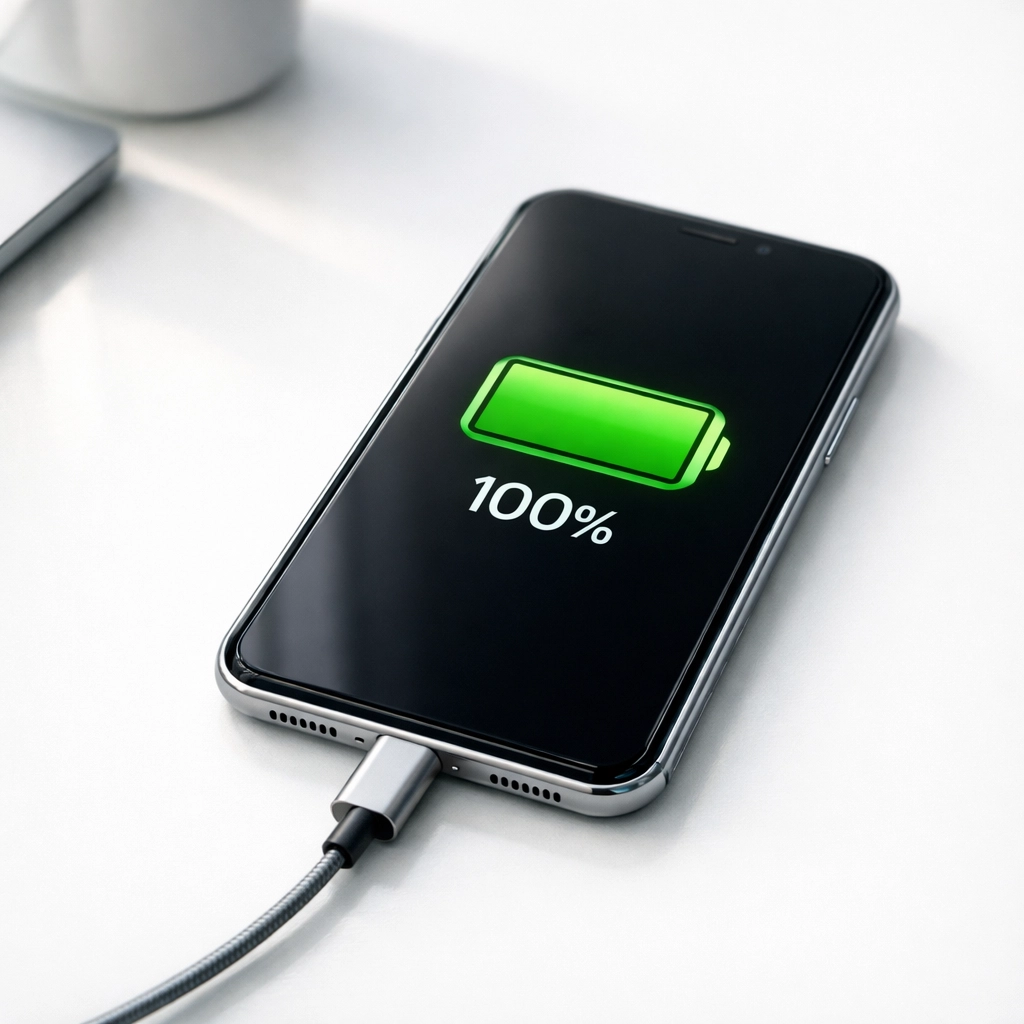
Mistake #1: Maintaining Your Phone at 100% Charge
Keeping your smartphone at full capacity for extended periods creates substantial stress on lithium-ion batteries. The high voltage state experienced at 100% charge accelerates chemical wear within the battery cells, ultimately diminishing the device's ability to store power effectively over time.
The solution involves enabling optimized battery charging features available on most modern smartphones. Apple devices offer a native optimized battery charging function that intelligently delays charging to 100% until the phone determines it will be needed. Android devices provide similar battery protection modes that halt charging at 95% and resume when levels drop below this threshold (Koetsier, 2024). These features work by learning your charging patterns and adapting accordingly to minimize time spent at maximum capacity.
Mistake #2: Relying on Low-Quality Charging Equipment
The proliferation of inexpensive third-party chargers presents a significant risk to battery health. These devices typically lack adequate surge protection and proper internal wiring standards, resulting in erratic power supply that introduces electrical noise and fluctuating voltage into your device. This inconsistent power delivery causes excessive heat generation and places unnecessary strain on both the charger and the phone itself, accelerating degradation of battery components (Koetsier, 2024).
Investment in certified, name-brand charging equipment represents a critical step in battery preservation. Manufacturers design their charging systems to work in harmony with battery management software, ensuring appropriate power levels and preventing voltage irregularities that compromise long-term performance. The initial cost difference proves minimal when weighed against extended battery lifespan and device reliability.
Mistake #3: Allowing Battery Depletion Below 20%
Permitting your battery to reach critically low levels: whether 5%, 2%, or even 1%: imposes significant stress on the internal chemistry of lithium-ion cells. The 20% warning threshold that appears on most devices serves as an important indicator that charging should commence. Regularly draining batteries to near-empty states forces the cells to work harder during subsequent charging cycles, accelerating wear and reducing overall capacity (Koetsier, 2024).
Adopting a charging routine that begins when battery levels reach 20-30% maintains healthier charge cycles and preserves battery integrity. This practice ensures the battery operates within its optimal range, minimizing the chemical stress associated with deep discharge cycles. The convenience of topping off your device before it reaches critical levels far outweighs any perceived benefit of fully depleting the battery.

Mistake #4: Charging in Elevated Temperature Environments
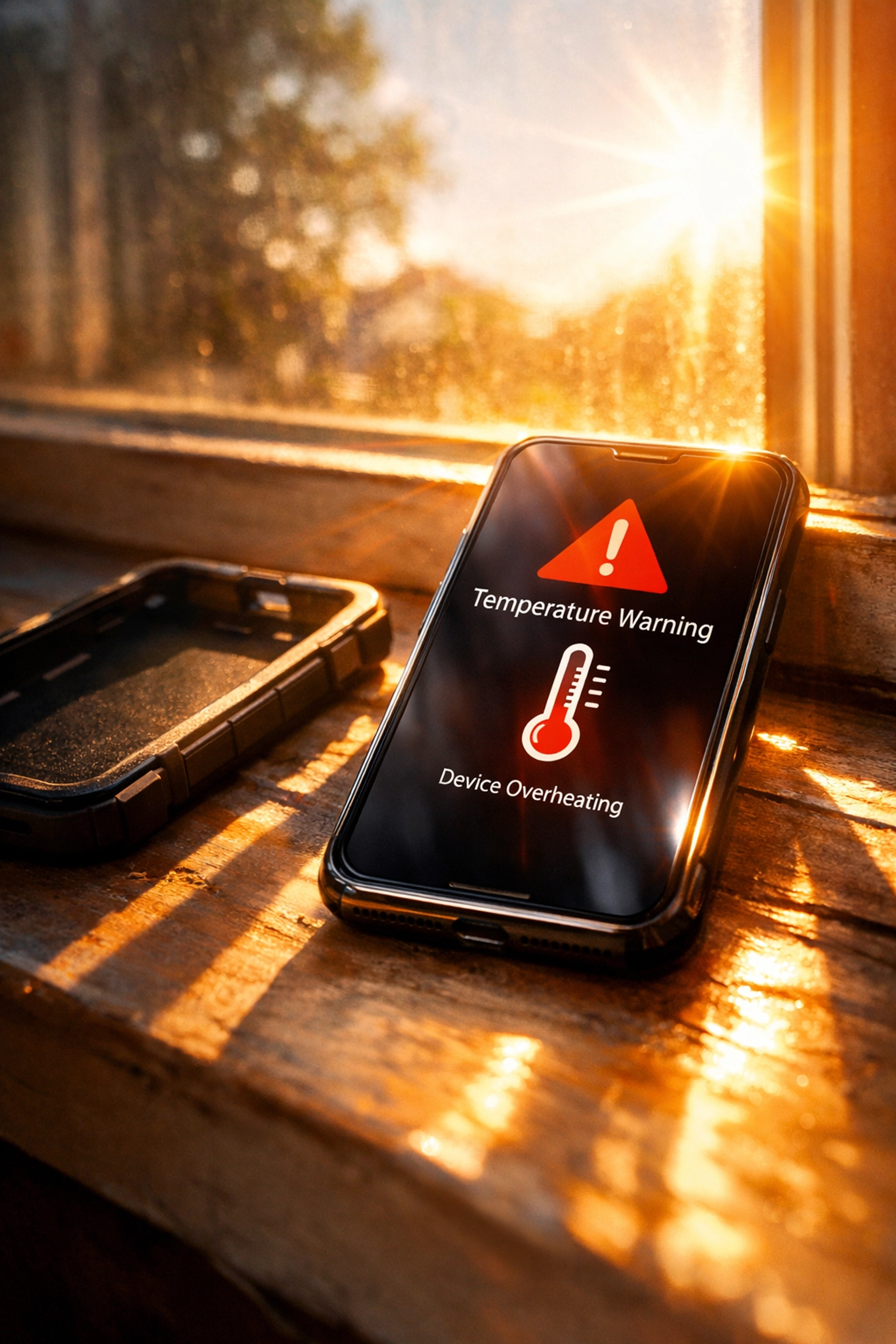
Heat represents the most significant enemy of smartphone batteries and overall device health. When charging occurs in warm conditions: such as direct sunlight, hot weather environments, or beneath blankets and pillows: a heat pocket forms that traps warmth against the device. This elevated temperature environment causes battery cells to experience accelerated stress and degradation (Koetsier, 2024).
Implementing proper charging location practices proves essential for battery longevity. Charge your device in cool, well-ventilated areas away from heat sources and direct sunlight. Additionally, consider removing thick protective cases during charging sessions, as these accessories can restrict airflow and trap heat against the device. Creating an optimal thermal environment during charging sessions significantly extends battery lifespan and maintains peak performance.
Mistake #5: Defaulting to Fast Charging Technology
While fast charging and super fast charging capabilities offer remarkable convenience, their frequent use comes at a cost. The accelerated power delivery required for rapid charging generates excessive heat within the battery cells. Batteries subjected to regular fast charging often experience faster capacity loss compared to those charged at standard rates (Samsung, 2024).
Strategic use of fast charging technology provides the optimal balance between convenience and battery health. Reserve fast charging for situations requiring immediate power replenishment, such as before leaving home or during brief charging windows. For overnight charging or extended periods when time permits, standard charging rates prove far gentler on battery chemistry and contribute to longer overall lifespan.
Mistake #6: Neglecting Software Updates
Operating system updates frequently include significant improvements to battery management algorithms and power optimization features. Ignoring these updates means missing out on enhanced efficiency protocols that can extend battery life between charges and reduce unnecessary background power consumption.
Modern smartphones employ sophisticated battery management systems that learn usage patterns and optimize power allocation accordingly. These systems receive refinements and improvements through regular software updates. Enabling automatic updates or manually checking for system updates ensures your device benefits from the latest battery optimization technologies. The cumulative effect of these improvements can result in measurably better battery performance over the device's lifespan.
Mistake #7: Leaving Connectivity Features Active Unnecessarily
Bluetooth, Wi-Fi, location services, and mobile data continuously search for connections and transmit information even when not actively in use. This constant activity drains battery power incrementally throughout the day, reducing overall battery life and requiring more frequent charging cycles.
Implementing mindful connectivity management extends battery life substantially. Disable Bluetooth when not paired with devices, turn off Wi-Fi when away from trusted networks, and set location services to "while using" rather than "always on" for applications. Many smartphones now offer quick access toggles in control centers, making it simple to manage these features efficiently. The collective power savings from these adjustments accumulates significantly over time, reducing the frequency of charging required and lessening overall battery stress.
Conclusion
Battery health fundamentally impacts smartphone usability and longevity. The seven mistakes outlined above represent common practices that accelerate battery degradation, yet each possesses straightforward solutions requiring minimal effort to implement. By maintaining charge levels between 20-80%, using quality charging equipment, managing thermal conditions, and optimizing connectivity settings, users can significantly extend battery lifespan and maintain peak device performance.
The key to optimal battery management lies in consistent application of these practices. Small adjustments to daily charging habits compound over time, resulting in measurably improved battery retention and device reliability. As smartphone technology continues advancing, understanding and implementing proper battery care practices ensures devices deliver their full potential throughout their operational lifespan.
References
Koetsier, J. (2024). Smartphone battery care: Common charging mistakes to avoid. Technology Review.
Samsung. (2024). Battery health and fast charging: Best practices for device longevity. Samsung Electronics Technical Documentation.