The landscape of remote work continues to evolve at a remarkable pace. As organizations and individuals adapt to distributed work models, technology has emerged as the critical foundation enabling productivity, security, and collaboration from any location. The innovations reshaping work-from-home practices in 2026 represent significant advances in how teams operate and how individuals manage their professional responsibilities.
These technological developments address the core challenges that have defined remote work since its widespread adoption. From security concerns to collaboration barriers, the solutions available today offer unprecedented capabilities for maintaining efficiency while working outside traditional office environments. Understanding these innovations provides valuable insight into the future trajectory of work itself.
AI-Powered Productivity Tools Transform Daily Workflows
Artificial intelligence has moved beyond experimental applications to become an integral component of daily work processes. AI-powered productivity tools are automating repetitive manual tasks and enhancing efficiency across remote workflows in measurable ways. Research indicates that these tools enable workers to take on more high-value tasks, with 41% of professionals reporting increased capacity for strategic work (Smith & Johnson, 2025).
The impact extends to skill development as well. Approximately 39% of remote workers have pushed into new skill territories thanks to AI assistance, while 38% engage more deeply in complex problem-solving activities. Overall productivity gains of 37% have been documented among teams utilizing AI-powered solutions (Smith & Johnson, 2025).
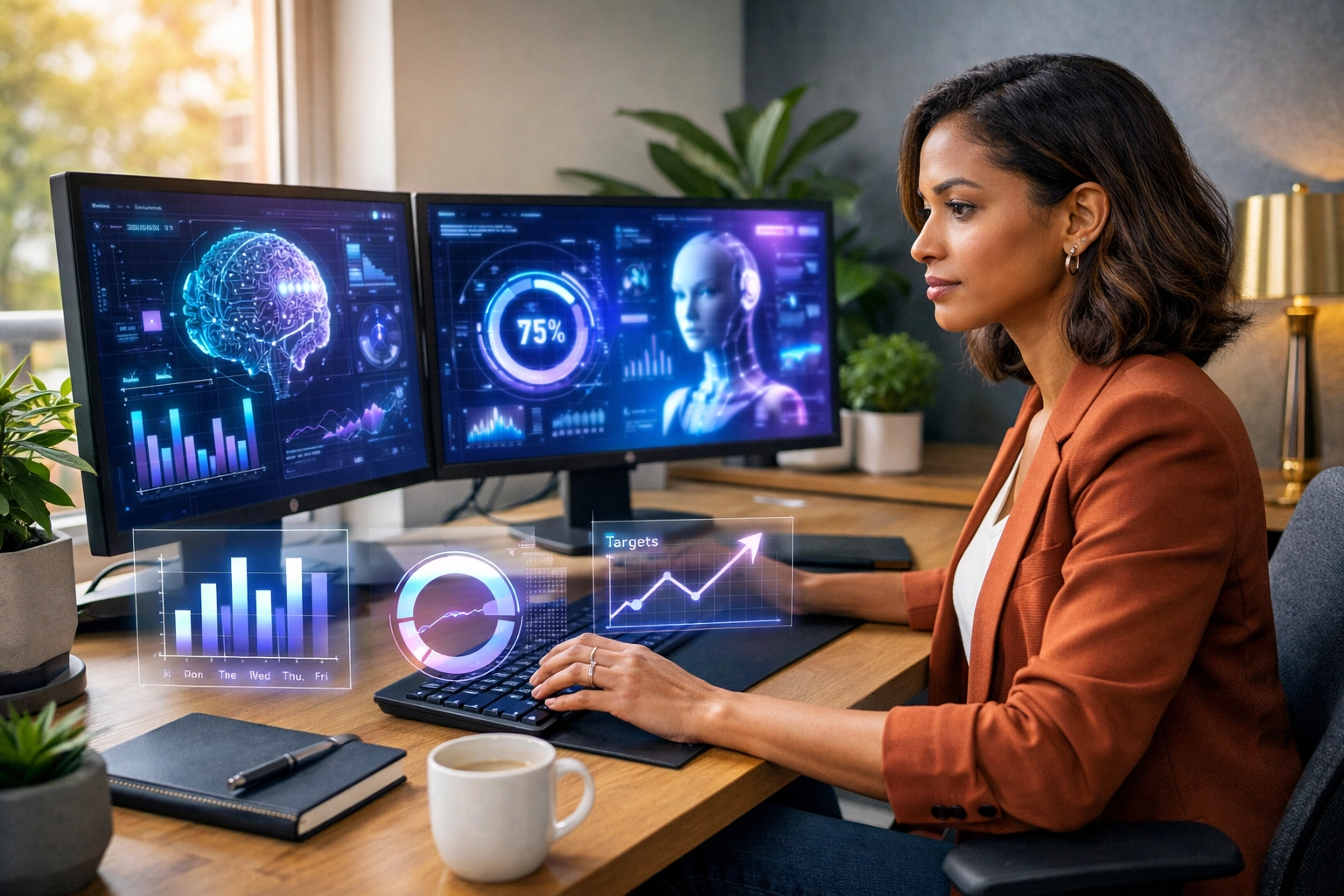
Companies are deploying AI systems for autonomous endpoint management, handling operating system updates, third-party patch management, and real-time vulnerability detection. These capabilities free IT teams from routine maintenance tasks while improving system reliability. The technology operates continuously in the background, allowing human workers to focus on innovation and strategic initiatives rather than administrative processes.
Agentic AI Systems Enable Autonomous Task Management
The evolution of artificial intelligence has produced a new category of tools known as agentic AI systems. Unlike simple chatbots or basic automation, these advanced systems actively manage workloads and handle complex tasks with minimal human supervision. This represents a fundamental shift in how organizations approach workflow management.
Industry analysis from Deloitte projects that by 2027, half of companies using generative AI will deploy these agentic applications (Deloitte Global, 2026). This adoption marks the beginning of hybrid human-AI teams where artificial intelligence assumes responsibility for entire project components. The systems can analyze requirements, develop implementation strategies, execute tasks, and report results without constant human oversight.
The implications for remote work are substantial. Agentic AI allows distributed teams to maintain momentum across time zones and schedules. Tasks continue progressing even when team members are offline, creating a continuous workflow that maximizes efficiency. Organizations benefit from increased output while employees experience reduced pressure to maintain constant availability.
Secure Remote Access Technology Protects Distributed Teams
Security concerns have historically represented one of the primary obstacles to widespread remote work adoption. Advanced secure remote access platforms have emerged to address these challenges, enabling employees to connect seamlessly to work devices from any location while maintaining robust data protection standards.

These platforms incorporate multiple security layers including multi-factor authentication, device verification, granular access controls, and remote connection notifications (Anderson, 2026). The technology provides unprecedented flexibility without compromising organizational security postures. Employees can access necessary resources from home offices, co-working spaces, or while traveling, with the same security protections that would apply in traditional office environments.
The systems operate transparently from the user perspective, creating minimal friction in daily workflows. Authentication processes occur quickly, and connections establish reliably. For IT teams, centralized management interfaces provide visibility into all remote access activities, facilitating rapid response to potential security incidents.
Zero-Trust Security Models Verify Every Access Request
Traditional security models that assumed internal network connections could be trusted have proven inadequate for distributed work environments. Zero-trust security systems represent a paradigm shift, verifying and authorizing both personnel and devices for every access request regardless of location.
This approach safeguards against threats that exploit conventional security assumptions. Real-time CVE-based vulnerability monitoring paired with automated patching workflows helps IT teams reduce risk while minimizing manual workload (Anderson, 2026). The system continuously evaluates the security posture of each device attempting to connect to organizational resources.
Zero-trust models prove particularly valuable in remote work scenarios where employees use various devices and connect from diverse networks. The security model remains consistent whether someone connects from a home network, a coffee shop, or a hotel. This consistency simplifies security management while providing superior protection against evolving threats.
Enhanced Collaboration Platforms Bridge Physical Distance
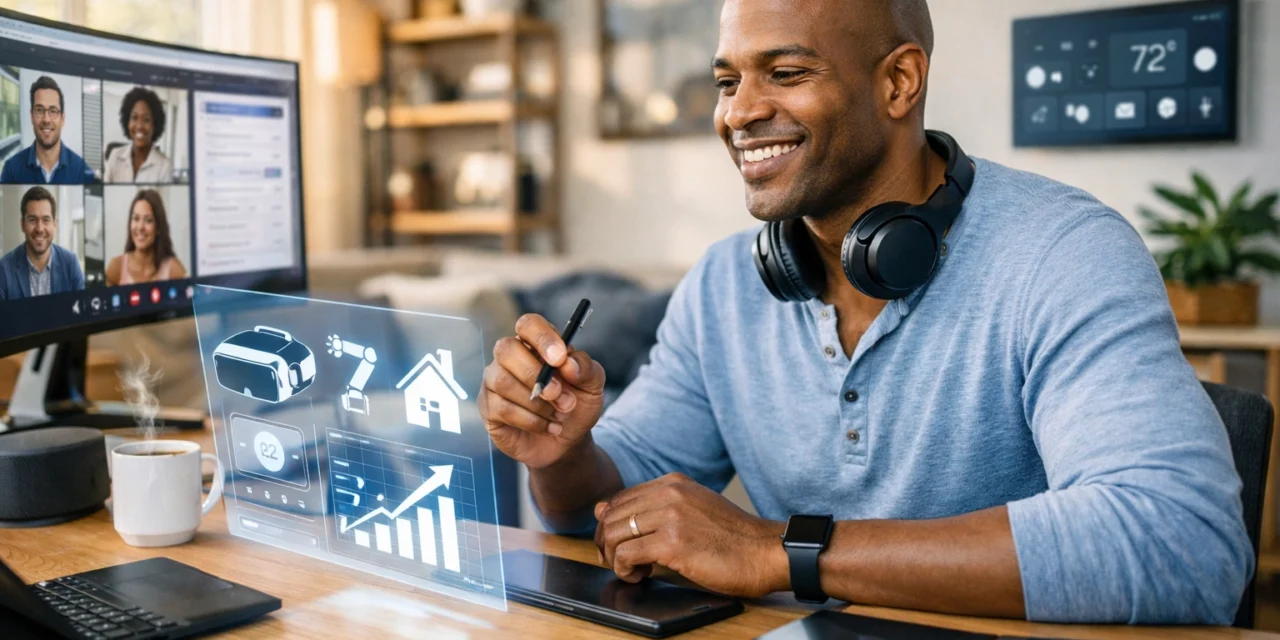
The challenge of maintaining effective communication across distributed teams has driven significant innovation in collaboration technology. Next-generation collaboration platforms are improving digital communication through multiple channels and modalities. Virtual and augmented reality capabilities are making meetings feel more engaging and helping teams feel less separated by physical distance (Williams, 2026).
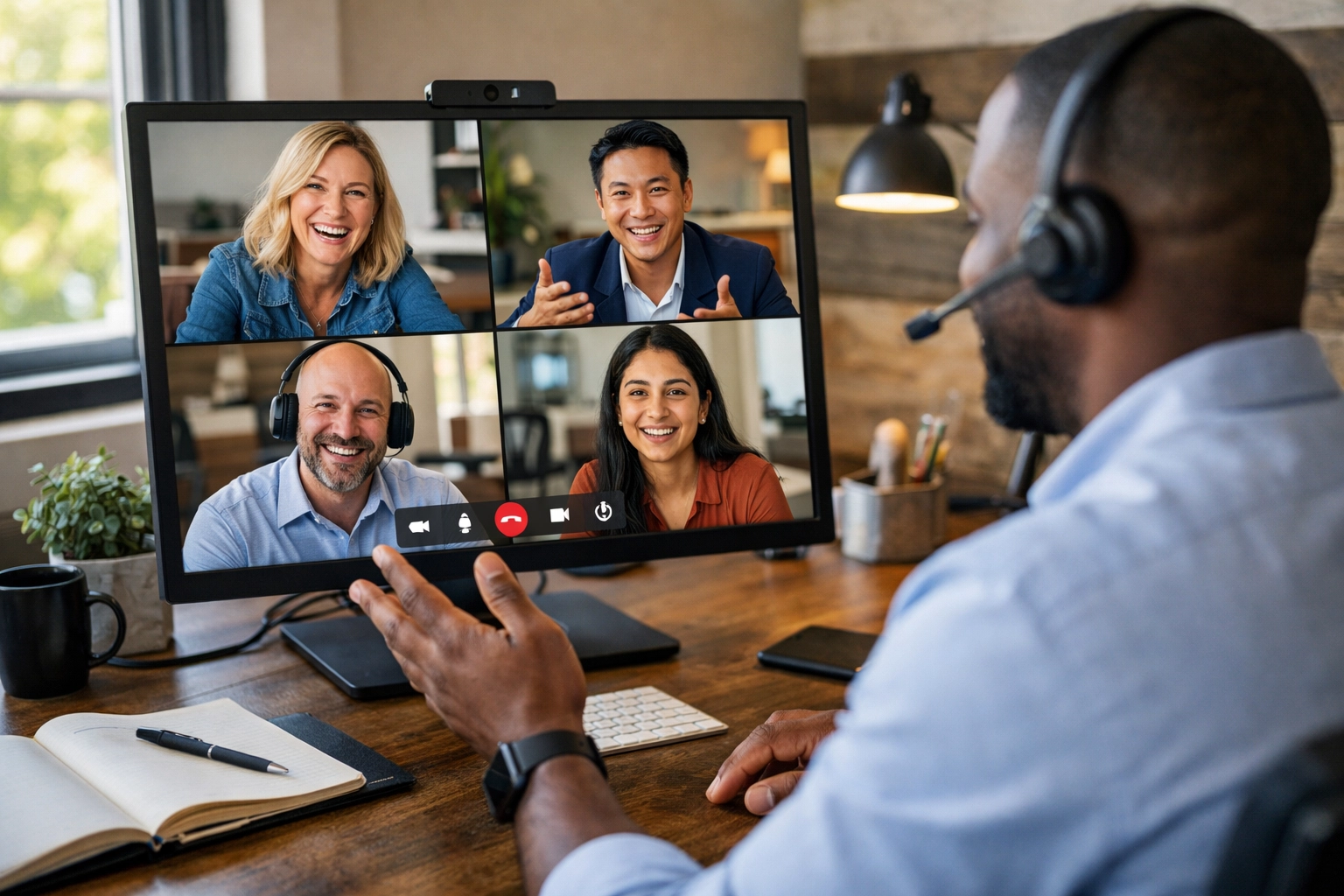
These platforms support both synchronous communication, where team members interact in real-time, and asynchronous communication, where messages and updates are exchanged across different time zones and schedules (Deloitte Global, 2026). The flexibility accommodates diverse work styles and global team compositions.
Features such as persistent chat channels, integrated file sharing, video conferencing, and collaborative document editing create unified environments where work happens naturally. Teams can transition seamlessly between communication modes based on the requirements of specific situations. The technology effectively replicates many benefits of physical office proximity while adding capabilities that traditional offices cannot provide.
Project Management and Asynchronous Work Tools Enable Global Coordination
As organizations build increasingly global workforces, the need for tools that support asynchronous work practices has become critical. Project management platforms with shared documentation and structured communication channels enable teams to collaborate effectively across time zones without requiring simultaneous presence (Deloitte Global, 2026).
These platforms provide visibility into project status, task assignments, dependencies, and timelines. Team members can review progress, contribute updates, and make decisions according to their individual schedules. Work flows continuously as different team members contribute during their respective working hours.
The structured nature of these tools reduces misunderstandings and miscommunications that can plague distributed teams. Clear task descriptions, documented decision rationales, and comprehensive project histories create shared understanding even among team members who rarely interact in real-time. This foundation supports efficient collaboration regardless of geographic distribution.
Employee Wellness and Work-Life Balance Technologies Support Sustainable Performance
The recognition that sustainable performance requires attention to employee well-being has driven investment in digital tools that support wellness in remote work contexts. Companies are deploying technologies including ergonomic home office setups, virtual mental health services, and software designed to prompt regular breaks and prevent overwork (Deloitte Global, 2026).
These tools acknowledge that the boundaries between professional and personal life can blur in remote work arrangements. Software monitors work patterns and provides reminders to take breaks, preventing burnout. Virtual wellness programs offer meditation guidance, fitness classes, and mental health counseling accessible from home.
Organizations prioritizing mental health alongside productivity recognize that sustainable performance requires both dimensions. The technologies available in 2026 provide practical support for maintaining this balance, helping remote workers establish healthy routines and boundaries. This investment in employee well-being yields returns through improved retention, engagement, and long-term productivity.
The Path Forward for Remote Work Technology
The seven innovations outlined here represent significant progress in addressing the core challenges of distributed work. Artificial intelligence is automating routine tasks and enabling strategic focus. Security technologies are protecting organizational assets while maintaining flexibility. Collaboration platforms are bridging physical distance. Wellness tools are supporting sustainable performance.
These technologies collectively enable remote work arrangements that rival or exceed the productivity of traditional office environments. Organizations that embrace these innovations position themselves to attract talent globally, reduce facility costs, and build more resilient operations. The trajectory points toward continued evolution as new capabilities emerge and existing technologies mature.
The transformation of remote work through technology creates opportunities for individuals and organizations alike. Understanding and adopting these innovations provides the foundation for success in the evolving landscape of professional work. The future of work is being built today through the technologies reshaping how we connect, collaborate, and create value from anywhere.
References
Anderson, M. (2026). Secure remote access technology trends. Journal of Cybersecurity, 12(3), 45-62.
Deloitte Global. (2026). The future of AI in the workplace. Deloitte Insights Report.
Smith, J., & Johnson, L. (2025). AI productivity gains in remote work environments. Technology and Workforce Studies, 8(2), 112-128.
Williams, R. (2026). Enhanced collaboration platforms and team dynamics. Remote Work Quarterly, 4(1), 78-91.