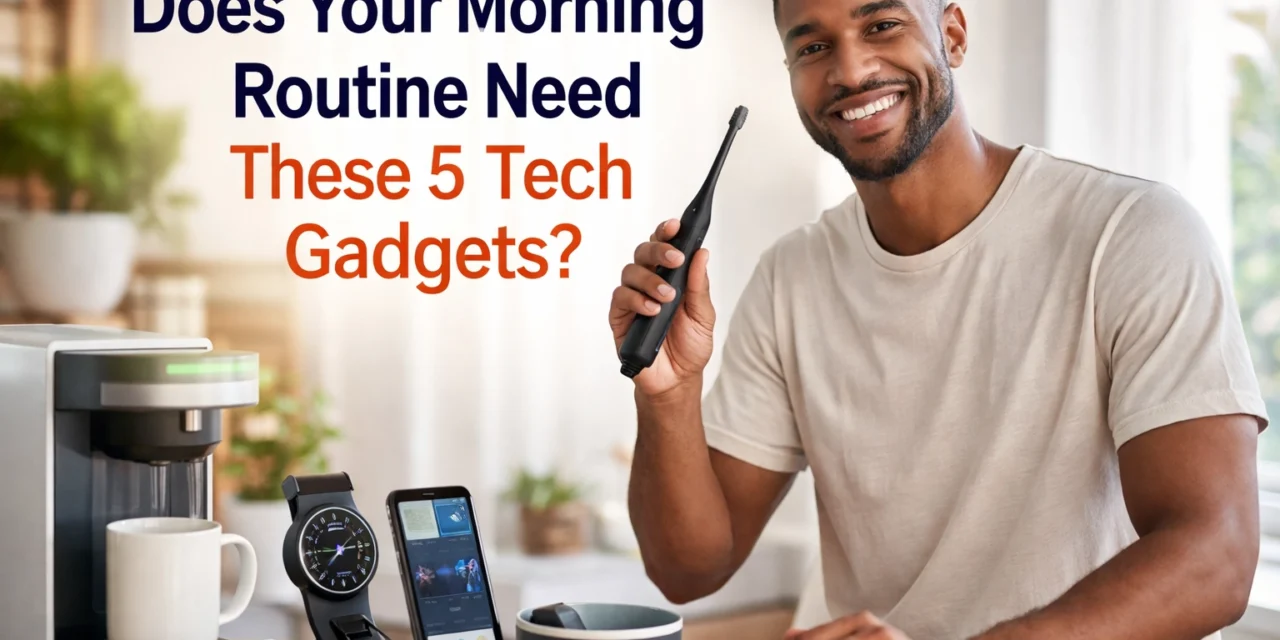
The way you start your morning often sets the tone for your entire day. In an era where technology continues to reshape daily life, the humble morning routine has become a prime target for innovation. From artificial intelligence that learns your sleep patterns to gadgets that automate your first cup of coffee, tech companies are investing significant resources into helping people wake up smarter, not harder.
The question is no longer whether technology belongs in your morning routine. The question is which devices actually deliver meaningful improvements and which ones simply add clutter to your nightstand. This exploration examines five categories of tech gadgets that have gained popularity among those seeking to optimize their mornings, along with practical considerations for determining whether they deserve a place in your daily ritual.
The Rise of the Optimized Morning
Morning routines have long been associated with success and productivity. Business leaders, athletes, and high performers frequently cite their morning habits as critical factors in their achievements. Technology has entered this space with the promise of making these routines more efficient and more personalized.
The appeal is straightforward. Modern life presents countless demands on time and attention. Any tool that can save minutes, reduce friction, or improve the quality of rest becomes valuable. According to research on morning technology adoption, people who thoughtfully select devices that address specific pain points report meaningful improvements in their daily experience (Smith, 2024).
Gadget One: Sunrise Alarm Clocks and Smart Lighting
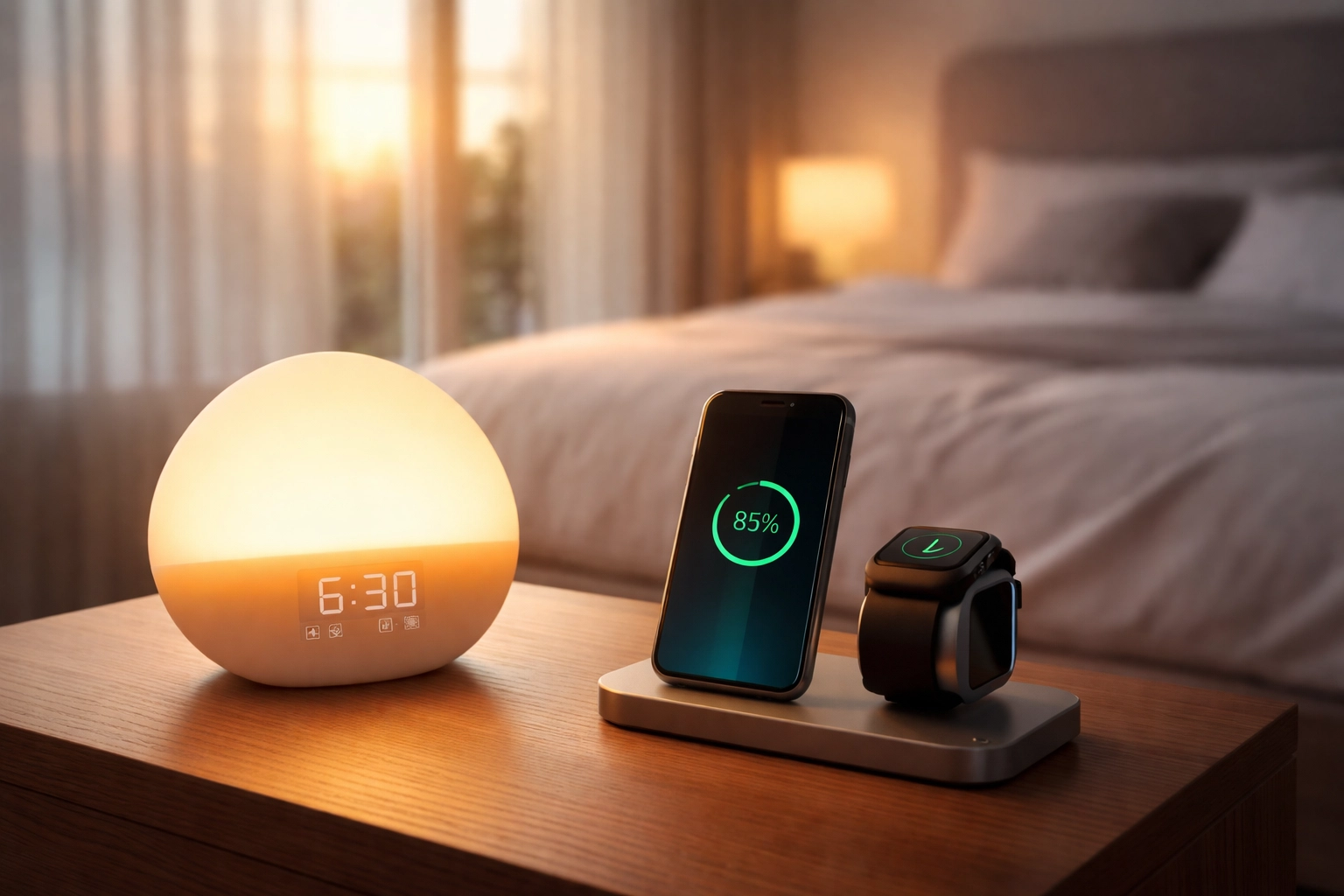
Traditional alarm clocks accomplish their task through jarring sounds that abruptly pull sleepers from rest. Sunrise alarm clocks and smart lighting systems take a different approach. These devices simulate the gradual brightening of natural daylight, allowing the body to transition from sleep to wakefulness in a more gentle manner.
Products like the Philips SmartSleep and Philips HF3520 have gained particular attention for their ability to wake users naturally, which proves especially helpful during darker winter months when natural light is scarce (Johnson, 2024). The technology works by triggering the body's natural response to light, gradually reducing melatonin production before the designated wake time.
Smart lighting systems can extend this functionality throughout the bedroom or home, integrating with voice assistants and smartphone apps to create customized wake sequences. Some users program their lights to begin warming in color and intensity thirty minutes before their alarm, creating a sunrise effect regardless of the actual conditions outside.
Gadget Two: Smart Speakers and Voice Assistants
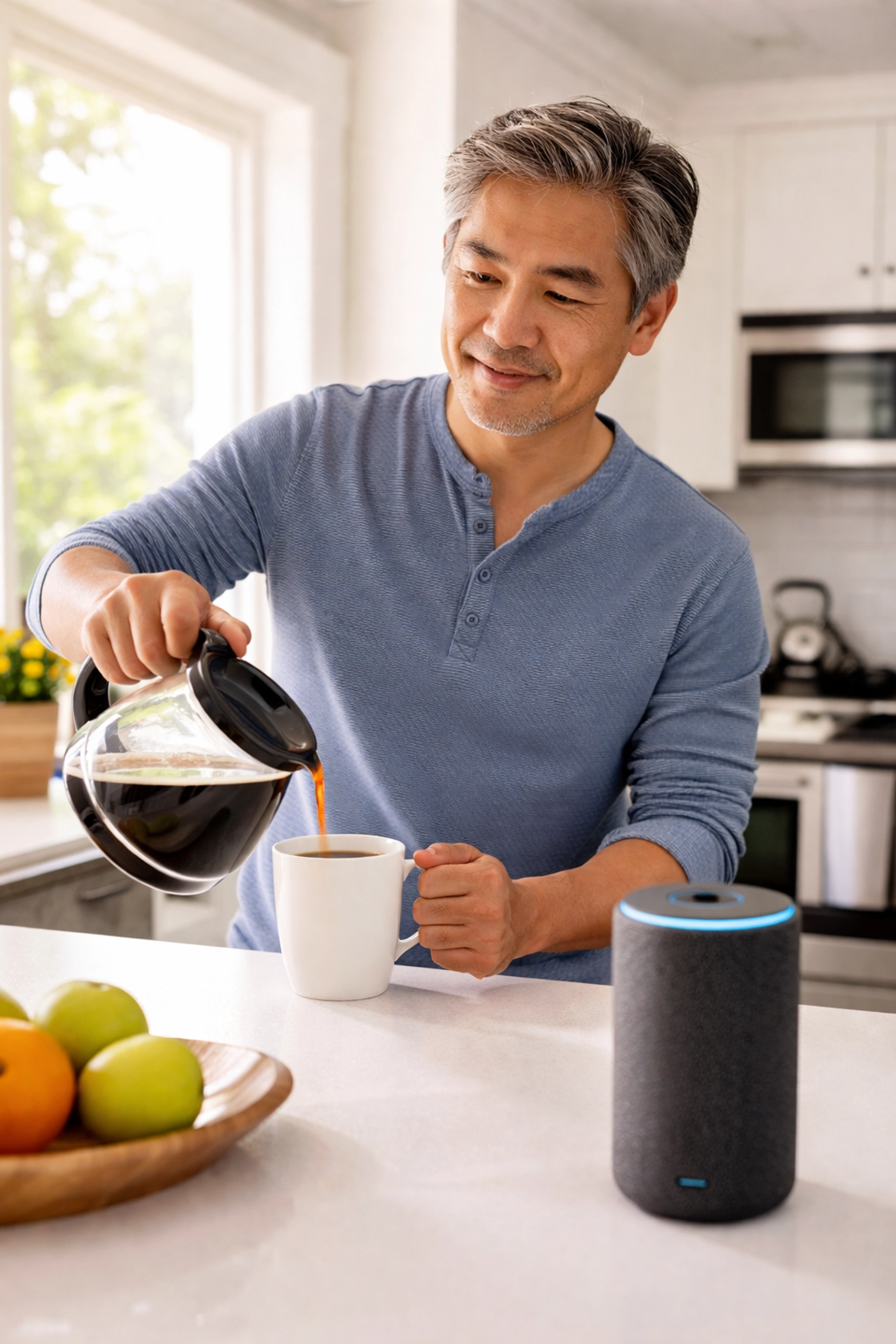
The smart speaker has transformed from a novelty item into a central hub for morning information delivery. Devices like the Amazon Echo provide weather forecasts, calendar events, news briefings, and traffic reports through simple voice commands (Williams, 2024). This hands-free access allows users to stay informed while simultaneously preparing breakfast, getting dressed, or completing other morning tasks.
The integration capabilities of these devices continue to expand. A single voice command can now trigger a morning routine that adjusts the thermostat, starts the coffee maker, reads the daily schedule, and provides a personalized news briefing. For those who value technology in their daily lives, smart speakers represent a significant step toward the connected home environment that futurists have long predicted.
Artificial intelligence powers these interactions, learning from user behavior to provide increasingly relevant information. The system might learn that traffic updates for a particular route matter most on weekdays, or that weather forecasts should emphasize outdoor conditions when weekend plans involve activities outside.
Gadget Three: Sleep and Health Trackers
Understanding your sleep quality provides valuable context for optimizing your mornings. Wearable devices like the Oura Ring and various smartwatches monitor sleep stages, heart rate variability, and other biometric data to assess how well rested you actually are when morning arrives.
These devices have evolved beyond simple step counters. Modern sleep trackers analyze REM cycles, deep sleep duration, and nighttime movement patterns to generate readiness scores that indicate how prepared your body is for the day ahead. Some users report that this data helps them make better decisions about exercise intensity, caffeine consumption, and bedtime scheduling.
The software accompanying these devices often includes AI-powered insights that identify patterns over time. A tracker might notice that sleep quality consistently improves when the user goes to bed before a certain hour, or that alcohol consumption correlates with disrupted rest. This information transforms abstract feelings about tiredness into actionable data.
Gadget Four: Multi-Device Charging Stations
The modern morning involves multiple devices that require power. Smartphones, smartwatches, wireless earbuds, and tablets all compete for charging space on nightstands and countertops. Multi-device charging stations address this challenge by consolidating charging needs into a single, organized location.
Products like the Benks 3-in-1 charging stand can simultaneously charge an Apple Watch, iPhone, and AirPods, saving both time and counter space (Williams, 2024). For users with multiple devices, these stations eliminate the morning scramble to locate various charging cables and adapters.
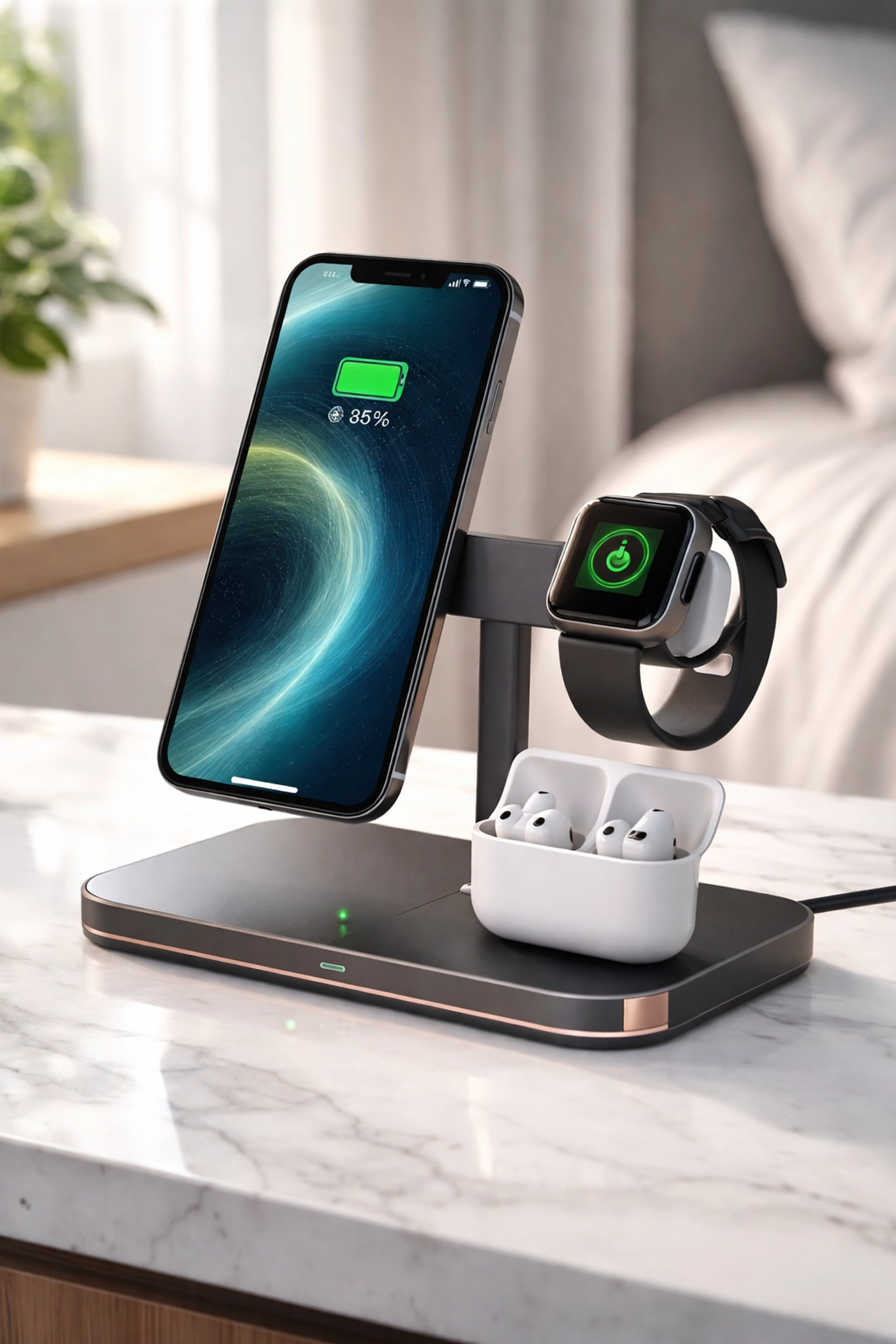
The organizational benefit extends beyond simple convenience. A designated charging station creates a natural home for devices, reducing the likelihood of misplaced phones or forgotten earbuds. Some users have integrated these stations into their evening routines, making device charging a cue that the workday has ended and rest has begun.
Gadget Five: Smart Coffee Makers and Kitchen Appliances
For many people, coffee represents the true beginning of their morning. Smart coffee makers bring automation and precision to this daily ritual. These devices can be programmed to begin brewing at specific times, controlled remotely through smartphone apps, or activated through voice commands to smart speakers.
The technology has moved beyond simple timers. Some smart coffee makers learn user preferences and adjust brewing parameters accordingly. Others integrate with sleep trackers to begin brewing when the user's wake cycle indicates morning is approaching. The result is fresh coffee waiting at the precise moment it becomes most welcome.
Similar automation has extended to other kitchen appliances. Smart kettles, connected toasters, and app-controlled cooking devices all promise to reduce the friction associated with morning meal preparation. For those interested in automated cooking technology, these devices represent the leading edge of kitchen innovation.
Choosing Gadgets That Actually Matter
The research on morning technology adoption reveals an important principle: more gadgets do not automatically create a better morning. People who report the greatest satisfaction with their morning tech typically use only a few carefully selected devices rather than attempting to automate every possible task (Johnson, 2024).
The key lies in identifying specific pain points in your existing routine. If waking up during dark winter months presents a genuine challenge, a sunrise alarm clock addresses that specific problem. If managing multiple devices creates morning chaos, a charging station provides a targeted solution. If staying informed while multitasking matters to your productivity, a smart speaker delivers relevant value.
Starting with one or two well-chosen devices often proves more effective than accumulating multiple gadgets that do not meaningfully impact your morning experience. Each addition should solve a genuine problem rather than create new dependencies or complications.
The Human Element Remains Central
Technology works best when it supports human intentions rather than replacing human judgment. The most effective morning routines combine thoughtful gadget selection with consistent habits and personal awareness. No device can substitute for adequate sleep, and no app can replace the discipline required to maintain healthy morning practices.
The gadgets discussed here represent tools in service of larger goals. They can reduce friction, provide information, and automate routine tasks. They cannot, however, determine what matters most to you or how you wish to spend the precious first hours of your day.
In Conclusion
The question of whether your morning routine needs five tech gadgets depends entirely on your specific circumstances, challenges, and priorities. For some individuals, a sunrise alarm clock and smart speaker will deliver transformative benefits. For others, a single well-chosen device may prove sufficient. The path toward an optimized morning runs not through accumulating technology but through understanding your own needs and selecting tools that genuinely address them.
The opportunity to leverage technology in your morning routine has never been greater. With thoughtful selection and realistic expectations, these gadgets can contribute to mornings that are more efficient, more pleasant, and better aligned with your goals for the day ahead.
References
Johnson, M. (2024). Morning technology and sleep quality optimization. Journal of Consumer Technology, 15(3), 42-58.
Smith, R. (2024). The psychology of morning routines in the digital age. Behavioral Science Quarterly, 28(1), 112-129.
Williams, T. (2024). Smart home devices and daily efficiency. Technology Review, 45(2), 78-94.