
Category: Inspiration
The early morning hours hold a special kind of magic. Before the world wakes up, before the notifications start flooding in, and before the daily demands begin pulling you in a dozen different directions, there exists a window of opportunity. These precious hours before 8 AM represent more than just time on a clock: they represent the foundation upon which your entire day is built.
The concept of a productive morning routine has gained significant attention in recent years, and for good reason. Research consistently demonstrates that individuals who establish intentional morning practices experience higher energy levels, improved focus, and greater overall life satisfaction. The question isn't whether morning routines matter, but rather how to create one that works for your unique lifestyle and goals.
This guide offers practical strategies for transforming your mornings into a source of inspiration and momentum. The beauty of these practices lies not in their complexity, but in their accessibility. You don't need expensive equipment, hours of free time, or a complete lifestyle overhaul. What you need is intention, consistency, and a willingness to invest in yourself before the day's demands take center stage.
Start With Hydration

Your body has just spent approximately eight hours without water. During sleep, the body continues performing critical functions: repairing tissues, consolidating memories, and regulating hormones: all of which require hydration. Upon waking, your system is naturally in a state of mild dehydration.
The solution is remarkably simple: drink water immediately upon waking, ideally two full glasses before consuming anything else. This practice serves multiple purposes beyond simple hydration. It activates your metabolism, helps flush out toxins that accumulated overnight, and provides your brain with the hydration it needs to function optimally. Many people mistake morning grogginess for fatigue when it's actually dehydration affecting cognitive performance.
Consider keeping a glass or bottle of water on your nightstand. This small preparation removes barriers and makes the habit easier to maintain. Some individuals prefer adding lemon for flavor and additional vitamin C, while others appreciate room-temperature water for easier consumption. The key is making hydration your first conscious act of self-care each morning.
Move Your Body
Physical movement in the early morning hours offers profound benefits that extend far beyond physical fitness. When you engage in movement shortly after waking, you're essentially sending a wake-up signal to your entire system. Blood flow increases, oxygen circulates more efficiently, and your body releases endorphins: natural mood elevators that create feelings of well-being and positivity.
The movement doesn't need to be intense or time-consuming. A 5-30 minute session of stretching, yoga, light cardio, or even a mindful walk can significantly impact your energy levels throughout the day. Pilates-style stretches work particularly well for those who prefer gentle, controlled movements that improve flexibility while building strength.
For individuals new to morning exercise, starting small proves more sustainable than ambitious goals. Begin with five minutes of stretching and gradually increase duration as the habit becomes ingrained. The objective isn't athletic achievement: it's creating consistent movement that energizes your body and prepares your mind for the day ahead.
Practice Mindfulness and Meditation

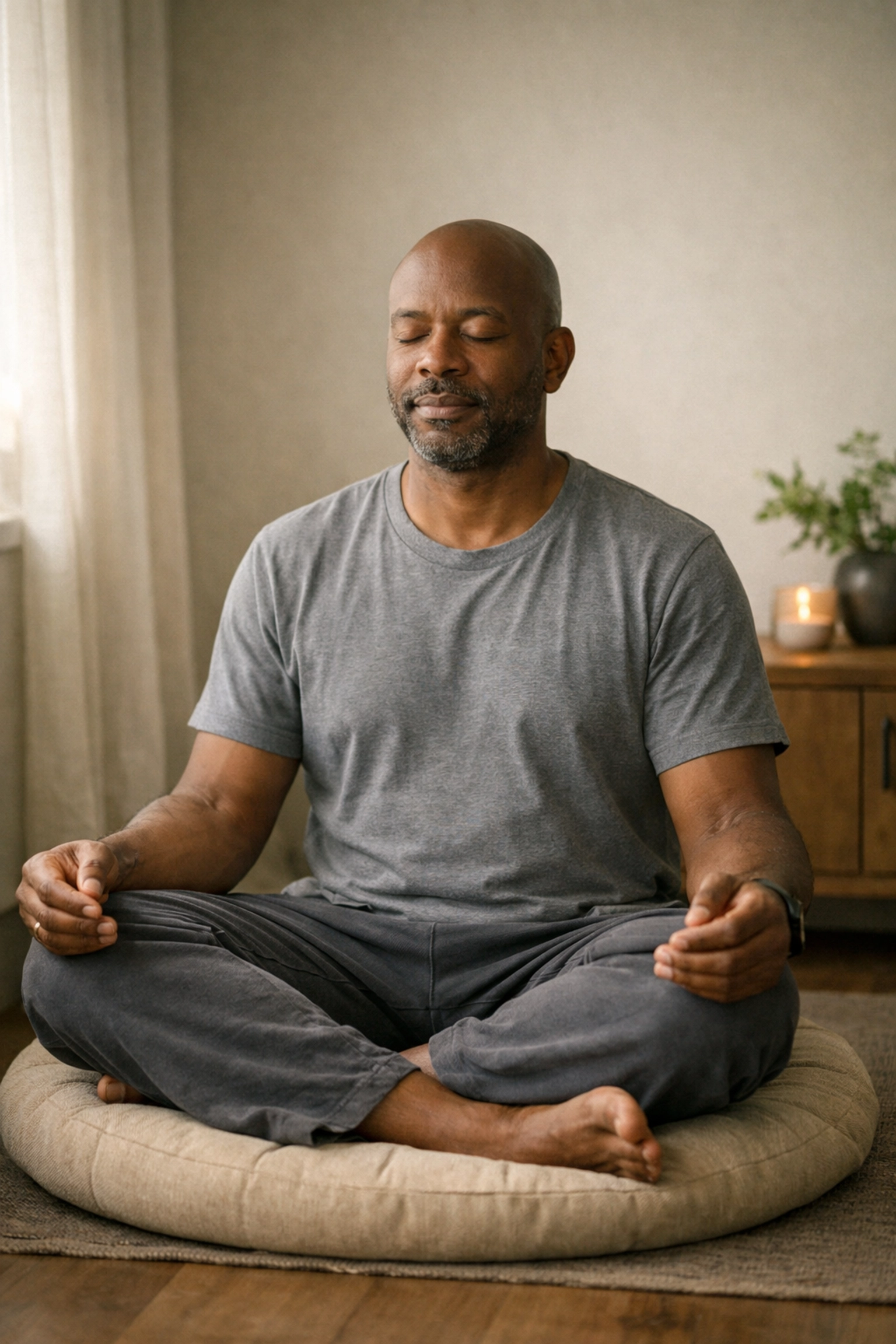
In our perpetually connected world, the mind rarely experiences true quietness. Meditation and mindfulness practices offer an antidote to the constant mental chatter that characterizes modern life. Dedicating 5-15 minutes to meditation before 8 AM creates a foundation of calm that persists throughout the day's inevitable challenges.
Meditation doesn't require special skills, expensive apps, or perfect execution. It simply requires showing up and directing attention inward. Focus on your breath, observe thoughts without judgment, or use guided meditations available through various free resources. The practice of meditation strengthens your ability to manage stress, improves concentration, and cultivates emotional resilience.
Many people resist meditation because they believe they're "bad at it" or "can't quiet their mind." This perspective misunderstands the nature of meditation. The practice isn't about achieving a completely blank mind: it's about noticing when your mind wanders and gently returning focus to the present moment. Each return builds mental muscle, making it easier over time to maintain focus and presence.
Plan Your Day Strategically
The morning represents your peak period for creativity and strategic thinking. Your willpower reserves are full, decision fatigue hasn't set in, and your mind remains clear and focused. This makes the early morning hours ideal for reviewing your to-do list and identifying your most important tasks.
Strategic planning doesn't mean scheduling every minute or creating overwhelming task lists. It means identifying 1-3 priorities that will create meaningful progress toward your goals. When you clarify these priorities in the morning, you provide your day with direction and purpose. Throughout the day, when distractions arise or urgent matters compete for attention, you can return to these identified priorities as your compass.
Consider using the morning planning session to ask yourself key questions: What would make today feel successful? Which tasks align with my longer-term goals? What requires my highest energy and clearest thinking? These questions help distinguish between what's truly important and what simply feels urgent.
Journal or Practice Gratitude
Writing serves as a powerful tool for processing thoughts, clarifying intentions, and cultivating positive mindsets. Spending 5-10 minutes journaling before 8 AM creates an opportunity to connect with yourself before external demands begin competing for your attention.
Journaling takes many forms, and the most effective approach varies by individual. Some people prefer free-writing: allowing thoughts to flow onto the page without editing or judgment. Others benefit from structured prompts about goals, challenges, or lessons learned. Still others find value in gratitude journaling, where they record things they appreciate in their lives.
Research consistently demonstrates that gratitude practices correlate with improved mental health, stronger relationships, and greater life satisfaction. When you begin your day by acknowledging what's working in your life: even small things like a comfortable bed, morning sunlight, or access to clean water: you train your brain to notice positive aspects rather than dwelling exclusively on problems or deficiencies.
The act of writing itself creates benefits beyond the content. It slows down racing thoughts, provides perspective on challenges, and creates a record you can review later to observe patterns and progress.
Fuel Your Body Properly
What you consume in the morning influences your energy, focus, and mood for hours afterward. While intermittent fasting works for some individuals, most people benefit from a nutritious breakfast that includes protein and healthy fats. These macronutrients provide sustained energy rather than the quick spike and crash associated with high-sugar options.
Coffee or tea certainly has a place in morning routines for those who enjoy it. Caffeine can enhance alertness and cognitive performance when consumed mindfully. However, it works best after hydrating with water and preferably alongside or after eating, rather than on an empty stomach.
The goal isn't perfection or adherence to strict dietary rules. The goal is consuming nutrients that support your body's needs and set you up for sustained energy throughout the morning. Preparation often determines success: having healthy options readily available makes nutritious choices easier when time is limited.
Creating Your Personalized Morning Routine
The practices outlined here represent options rather than requirements. The key to sustainable morning routines involves selecting 2-3 activities that resonate with your personality, preferences, and schedule. Attempting to implement every suggestion simultaneously often leads to overwhelm and abandonment of the entire routine.
Consider your current morning routine and identify one small change that feels manageable. Perhaps it's drinking water immediately upon waking, or setting your alarm 10 minutes earlier for brief meditation. Once that change becomes habit: typically after several weeks of consistency: you can add another element.
The morning hours before 8 AM represent more than time management: they represent an investment in yourself. When you prioritize your own well-being, energy, and mental clarity before attending to external demands, you create a foundation of strength that supports everything else you do throughout the day.
Your mornings belong to you. Use them wisely, and watch how they transform not just your days, but your entire experience of life. The journey toward inspiration begins not with grand gestures, but with small, consistent actions taken in the quiet hours before the world wakes.