Category: Local News
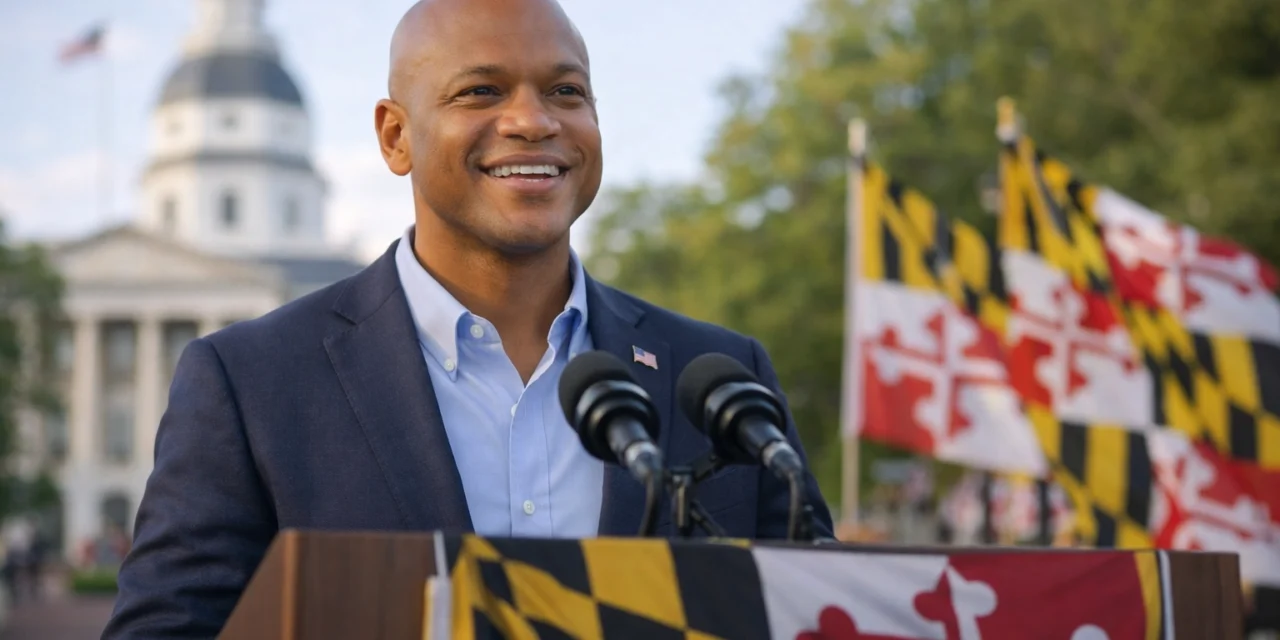
Maryland's political landscape is experiencing a significant transformation that extends far beyond state borders. The 2026 gubernatorial race is emerging as one of the most closely watched contests in the nation, serving as a critical indicator of Democratic performance during a challenging political environment. Governor Wes Moore's leadership faces examination from multiple angles, creating a dynamic political moment that offers important insights into the future direction of state governance.
The Race Takes Shape: A Rematch in the Making
The political arena in Maryland has intensified with the formal entry of former State Delegate Dan Cox into the gubernatorial race. Cox's decision to challenge Governor Moore sets the stage for a potential rematch of their 2022 contest, in which Moore secured victory with approximately 64% of the vote (Cox Files to Run, 2025). This development represents more than a simple electoral contest; it embodies broader tensions within the Republican Party and reflects the ongoing debate about the party's future direction.
Cox remains a polarizing figure in Maryland politics, maintaining strong alignment with Trump-era political positions. His candidacy carries significant weight due to controversies surrounding his alleged involvement in events related to January 6, 2021, when he was accused of arranging transportation for individuals to Washington (Cox Files to Run, 2025). These associations continue to define his political identity and shape the narrative of the upcoming campaign.
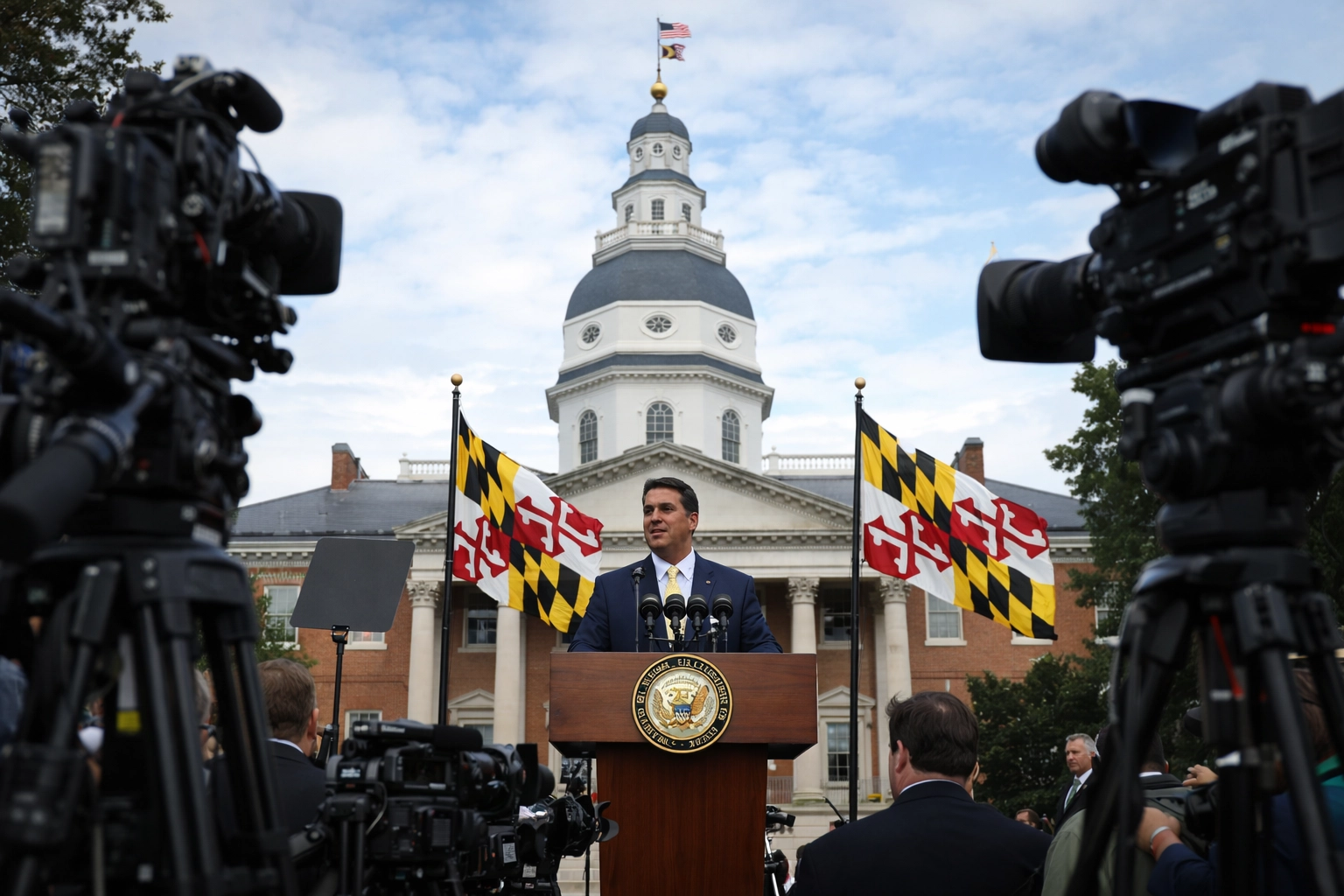
The contrast between the two candidates offers voters a clear choice regarding Maryland's future trajectory. Moore's victory in 2022 demonstrated substantial support for his vision of inclusive governance and economic opportunity. The question now becomes whether that coalition remains intact amid the challenges that have emerged during his tenure.
Governor Moore's Ambitious Legislative Agenda
Governor Moore has unveiled a comprehensive 2026 legislative agenda that addresses critical issues facing Maryland residents. The scope and ambition of these proposals reflect a forward-looking approach to governance that seeks to position Maryland as a leader in addressing contemporary challenges.
The Maryland Transit and Housing Opportunity Act of 2026 represents a cornerstone of the governor's housing affordability initiative. This legislation recognizes that housing accessibility remains a fundamental concern for working families throughout the state. By connecting transit development with housing policy, the administration demonstrates an understanding of the interconnected nature of modern urban challenges.
Public safety investment constitutes another significant priority, with $124.1 million allocated specifically to law enforcement initiatives (Moore's 2026 Legislative Agenda, 2025). This substantial commitment reflects the administration's recognition that community safety serves as a foundation for economic prosperity and quality of life. The investment signals a balanced approach that acknowledges the importance of effective law enforcement while pursuing broader criminal justice goals.
The governor's agenda also includes vaccine access protections, responding to shifts in federal policy that have created uncertainty for Maryland residents. This proactive stance demonstrates the state's commitment to maintaining public health infrastructure regardless of federal policy changes. Additionally, the DECADE Act of 2026 focuses on economic competitiveness, positioning Maryland to capitalize on emerging opportunities in the evolving national economy (Moore's 2026 Legislative Agenda, 2025).
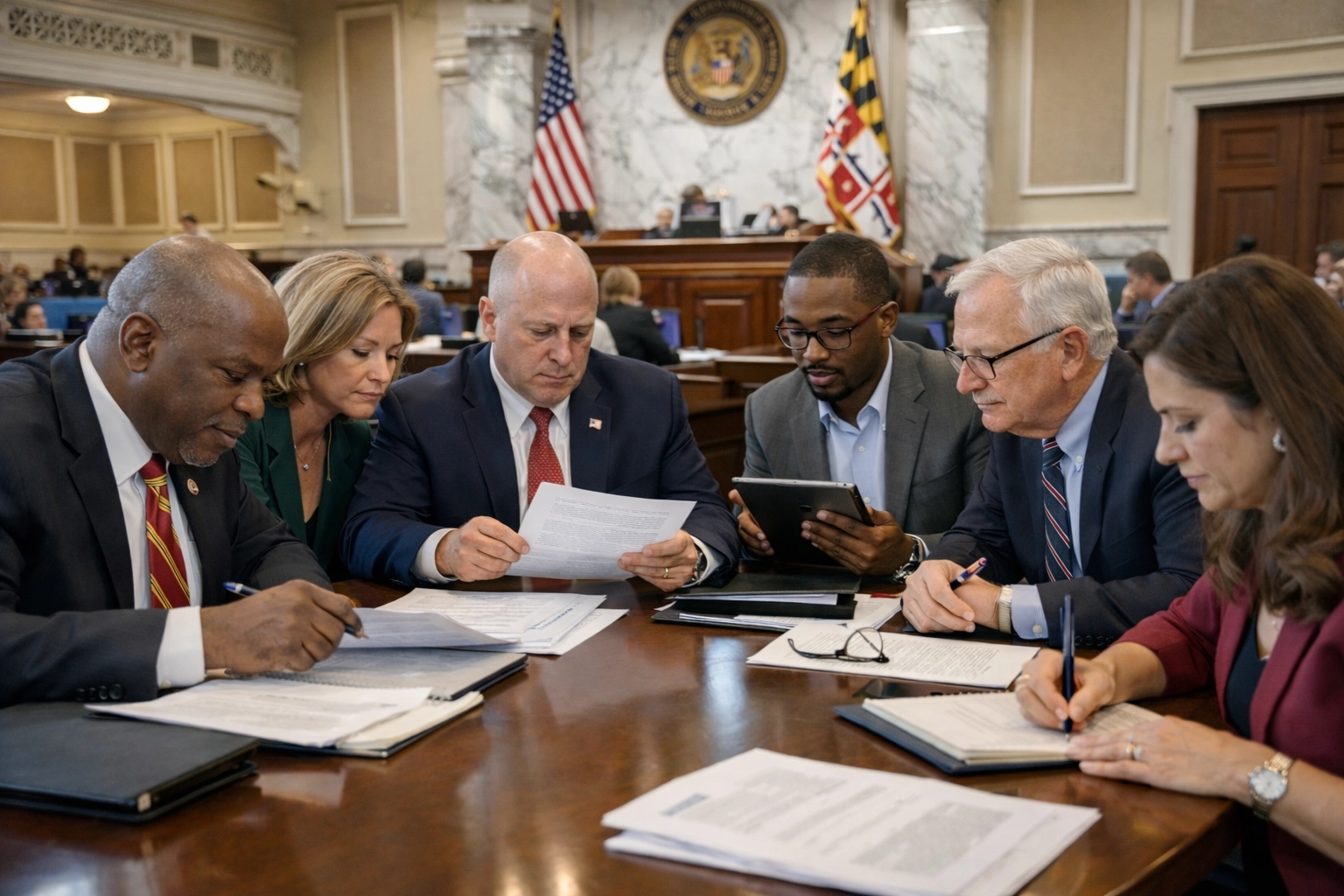
These initiatives collectively represent an ambitious vision for Maryland's future. The legislative agenda addresses immediate concerns while establishing frameworks for long-term progress. The success of these proposals will significantly influence the state's trajectory and provide important context for the upcoming gubernatorial contest.
Navigating Significant Headwinds
Governor Moore's tenure has coincided with substantial challenges that test the resilience of Maryland's economy and budget. The state has experienced particular hardship related to federal government employment, losing approximately 24,900 federal jobs in 2025: a figure exceeding any other state in the nation (Maryland's Political Landscape, 2025). This development carries profound implications for the state's economic health, given Maryland's traditional dependence on federal employment as an economic anchor.
The financial pressures resulting from these job losses have contributed to a $3.3 billion budget deficit that necessitated difficult decisions regarding taxes and spending cuts (Maryland's Political Landscape, 2025). These fiscal realities have required the administration to make challenging choices that inevitably generate political consequences. The governor's ability to navigate these constraints while maintaining essential services represents a critical test of leadership.
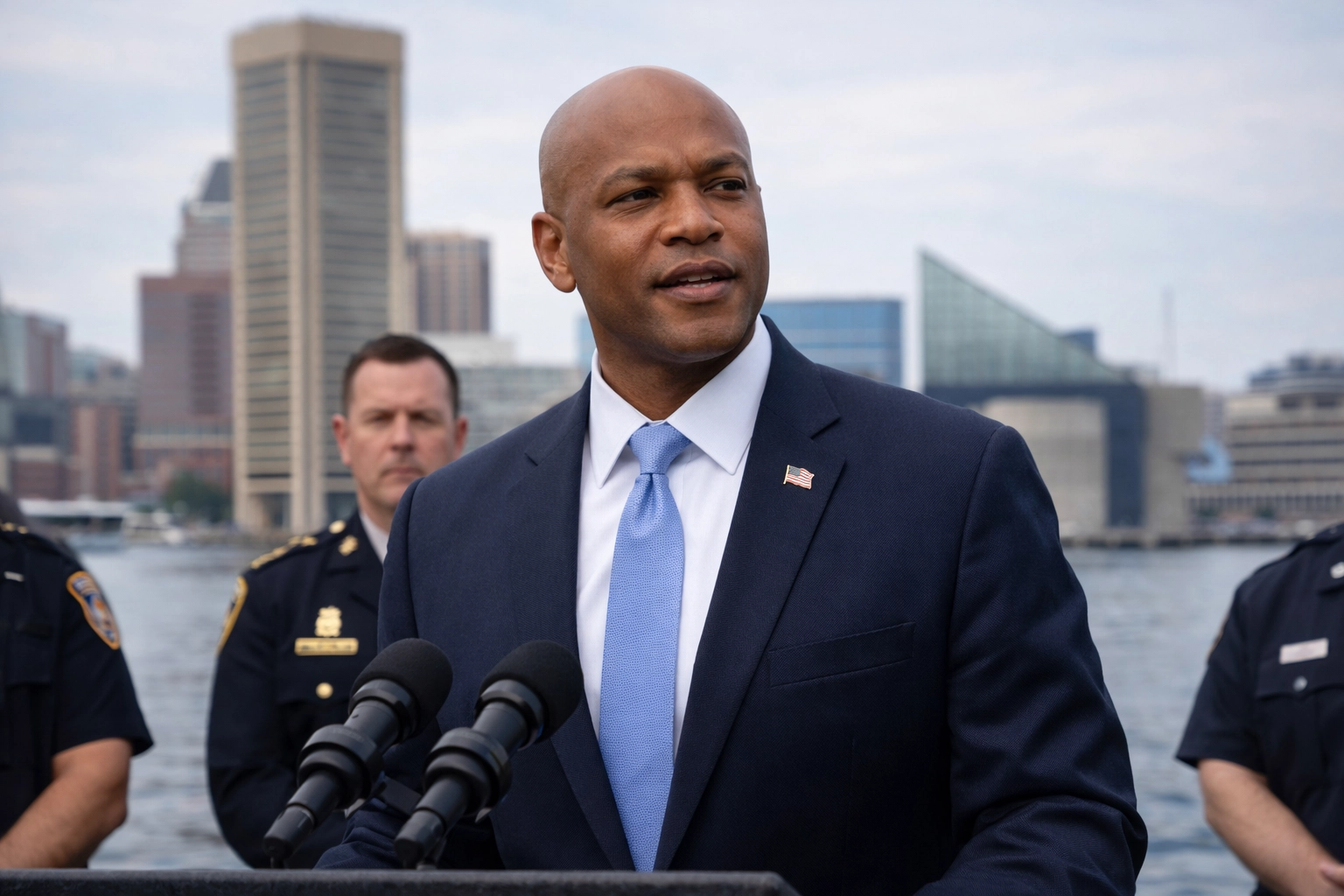
Approval ratings provide another measure of the political climate, and Moore's numbers, while remaining positive overall, have shown a gradual decline since he assumed office. The decrease has been particularly notable following the 2025 legislative session, suggesting that voters are carefully evaluating the administration's performance and policy decisions (Moore's Approval Ratings, 2025). These trends indicate that political support cannot be taken for granted, even in a state that has traditionally leaned Democratic in statewide contests.
Achievements Amid Adversity
Despite these headwinds, the Moore administration can point to significant accomplishments that demonstrate effective governance. Historic reductions in violent crime represent a particularly noteworthy achievement, reflecting the success of comprehensive public safety strategies. These improvements in community safety provide tangible benefits to Maryland residents and demonstrate that progressive governance can deliver concrete results on issues that matter most to families.
Middle-class tax cuts constitute another achievement that resonates with voters facing economic pressures. By providing financial relief to working families, the administration has demonstrated its commitment to addressing the real-world concerns of constituents. These policy victories provide important counterpoints to criticisms and establish a record of accomplishment that will feature prominently in the upcoming campaign.
What This Means for Maryland's Future
The 2026 gubernatorial race emerges as more than a state-level contest; it serves as a bellwether for Democratic performance in purple states during a challenging national political environment. Maryland's unique position: a traditionally blue state experiencing significant economic pressures and political shifts: makes this race particularly instructive for observers seeking to understand broader political currents.
The outcome will provide important signals about voter priorities in the current moment. Will economic anxieties override other considerations, or will voters maintain support for the governor's broader vision despite temporary setbacks? The answer to this question carries implications that extend well beyond Maryland's borders.
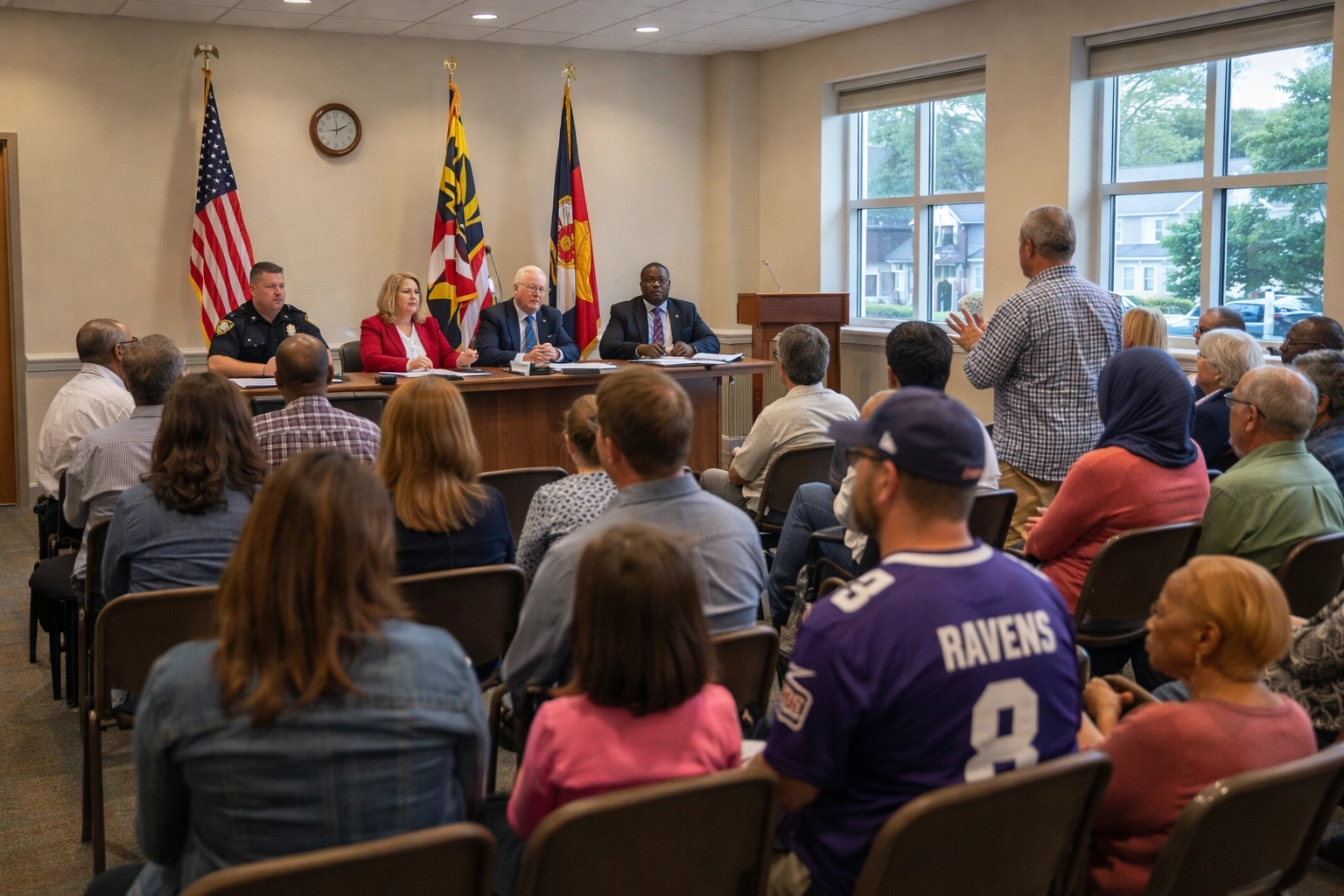
For Maryland residents, the contest represents an opportunity to shape the state's direction during a critical period. The choice between continuing Moore's agenda and returning to Republican leadership under Cox presents voters with fundamentally different visions for addressing the challenges ahead. Housing affordability, public safety, economic development, and the state's relationship with the federal government all hang in the balance.
In Conclusion
Maryland's political landscape has entered a dynamic phase that commands attention from observers both within and beyond the state. Governor Wes Moore faces the challenging task of defending his record while navigating significant economic and political headwinds. The entry of Dan Cox into the race establishes clear contrasts and ensures robust debate about Maryland's future direction.
The 2026 legislative agenda demonstrates ambition and forward thinking, addressing critical issues through comprehensive policy proposals. Simultaneously, real challenges: including federal job losses, budget pressures, and declining approval ratings: test the administration's resilience and adaptability. The governor's ability to highlight achievements such as reduced violent crime and middle-class tax relief provides a foundation for making the case for continued leadership.
As the race unfolds, Maryland voters will determine not only the state's next governor but also contribute to the broader national conversation about effective governance during challenging times. The outcome will reflect voter assessment of competing visions and priorities, offering important insights into political dynamics that resonate throughout the nation. The stakes are significant, the contrasts are clear, and the conversation is just beginning.
References
Cox Files to Run for Maryland Governor. (2025). Political developments in Maryland's 2026 race.
Maryland's Political Landscape. (2025). Federal job losses and state economic challenges.
Moore's 2026 Legislative Agenda. (2025). Comprehensive policy proposals for Maryland's future.
Moore's Approval Ratings. (2025). Polling trends and voter sentiment analysis.