Look, I'm not going to sugarcoat it, I spent most of my 30s thinking I had this whole grooming thing figured out. Spoiler alert: I didn't. It took some honest mirror conversations, a few embarrassing moments, and way too many impulse purchases at the drugstore before I realized I was making some pretty basic mistakes.
The good news? You don't have to learn these lessons the hard way like I did. Let me walk you through the seven biggest grooming mistakes I made in my 30s and, more importantly, how you can sidestep them entirely.
Mistake #1: Thinking My 20s Routine Would Cut It Forever
Here's the thing nobody tells you: your skin changes in your 30s. Like, dramatically. I kept using the same three-in-one body wash I'd been using since college, thinking if it worked then, it would work forever. Wrong.
Your grooming routine needs to evolve as you do. What worked when you were 25 probably isn't going to cut it at 35. Your skin becomes less forgiving, your hair might start thinning or changing texture, and your body just responds differently to products and habits.
The fix? Take an honest inventory of your current grooming situation. What's actually working? What feels like you're just going through the motions? Update your approach to match where you are now, not where you were a decade ago.
Mistake #2: Treating Shaving Like a Chore Instead of a System
I used to just splash some water on my face, slap on whatever foam was handy, and go to town with my razor. The result? Razor burn, ingrown hairs, and a face that looked like I'd lost a fight with a cat.
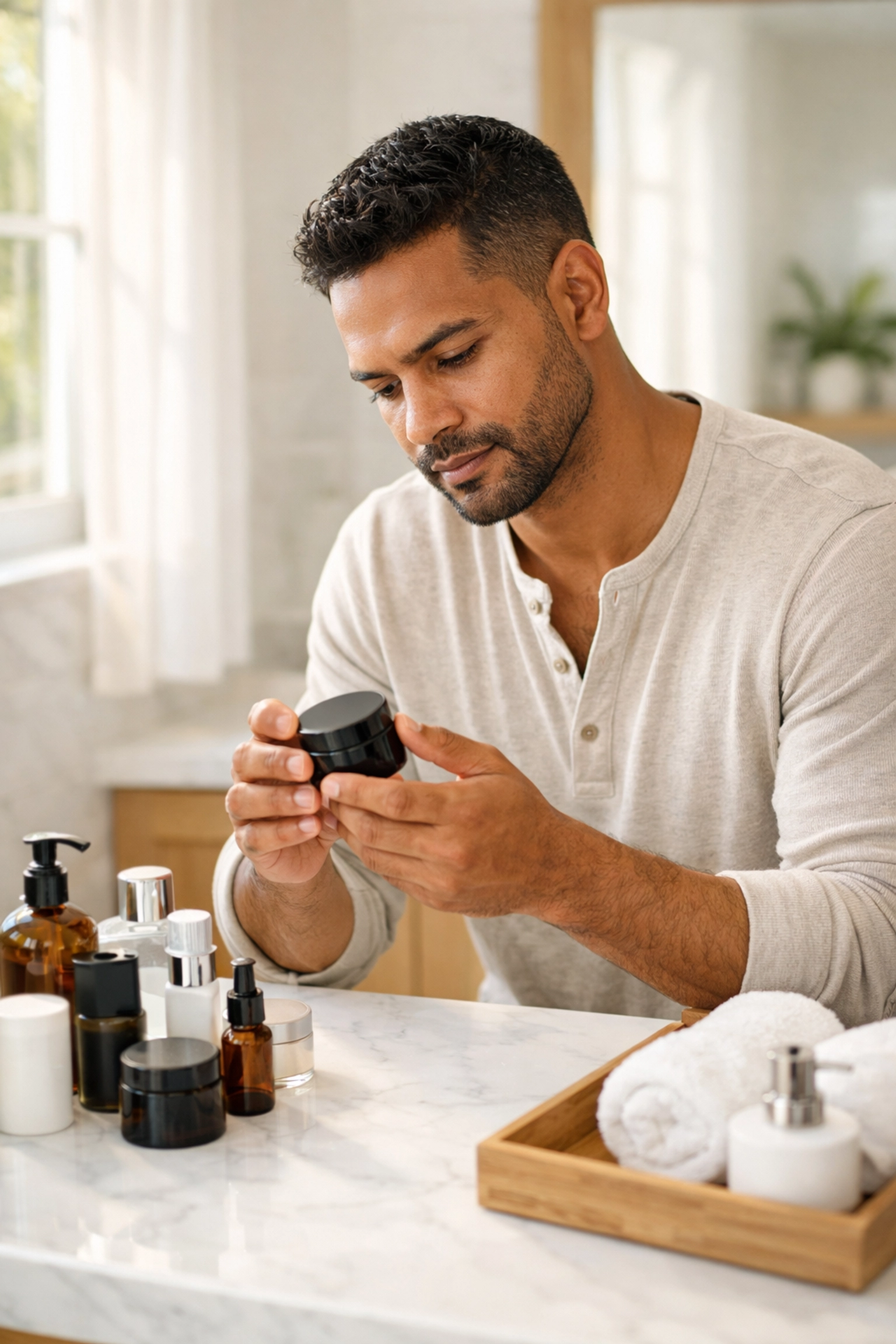
A disciplined shaving system makes all the difference. I learned this the hard way, but you don't have to. The three-step approach that finally worked for me includes pre-shave oil to hydrate the skin, a quality shave gel to soften facial hair, and an after-shave balm for essential moisture (Johnson, 2023).
Here's the kicker, I was also shaving against the grain, thinking it would give me a closer shave. It did, but at the cost of constant irritation. Shave in the direction of hair growth with light, gliding motions instead. Your face will thank you.
Mistake #3: Buying Cheap Products and Using Way Too Much
Remember those budget-friendly cleansers that promise the world for $3.99? Yeah, I bought into that too. The problem is that cheap cleansers strip your skin of natural oils, leaving you feeling tight and uncomfortable (Martinez & Chen, 2024).
I also fell into the trap of thinking more product equals better results. Whether it was shampoo, styling gel, or moisturizer, I'd use way more than necessary. All this did was create a waxy, unnatural appearance and sometimes cause breakouts.
The solution is straightforward but requires a mindset shift: invest in quality products and use them sparingly. A little bit of a good product goes much further than heaps of mediocre stuff. Your skin: and your wallet in the long run: will appreciate it.
Mistake #4: Skipping the Post-Shave Care
For years, I thought aftershave was just something my grandfather used that smelled nice. I had no idea it actually served a purpose. Turns out, shaving irritates your face pretty significantly, and skipping post-shave care means you're missing a crucial step for healthy skin (Thompson, 2023).
Now I use a soothing post-shave balm or alcohol-free aftershave immediately after shaving. It replenishes lost hydration and restores my skin's protective barrier. The difference is night and day: no more redness, no more irritation, just smooth, comfortable skin.
Pro tip: avoid anything with high alcohol content. That burning sensation isn't "working": it's just drying out your skin.
Mistake #5: Using the Same Razor Until It Practically Disintegrated
I'll admit it: I was that guy who used the same disposable razor for weeks, maybe even months. It seemed wasteful to replace them frequently, and honestly, I just didn't think about it much.
But continuing to use dull, overused razors damages your skin and leads to terrible shave quality (Williams, 2024). It's like trying to cut a steak with a butter knife: technically possible, but why would you do that to yourself?
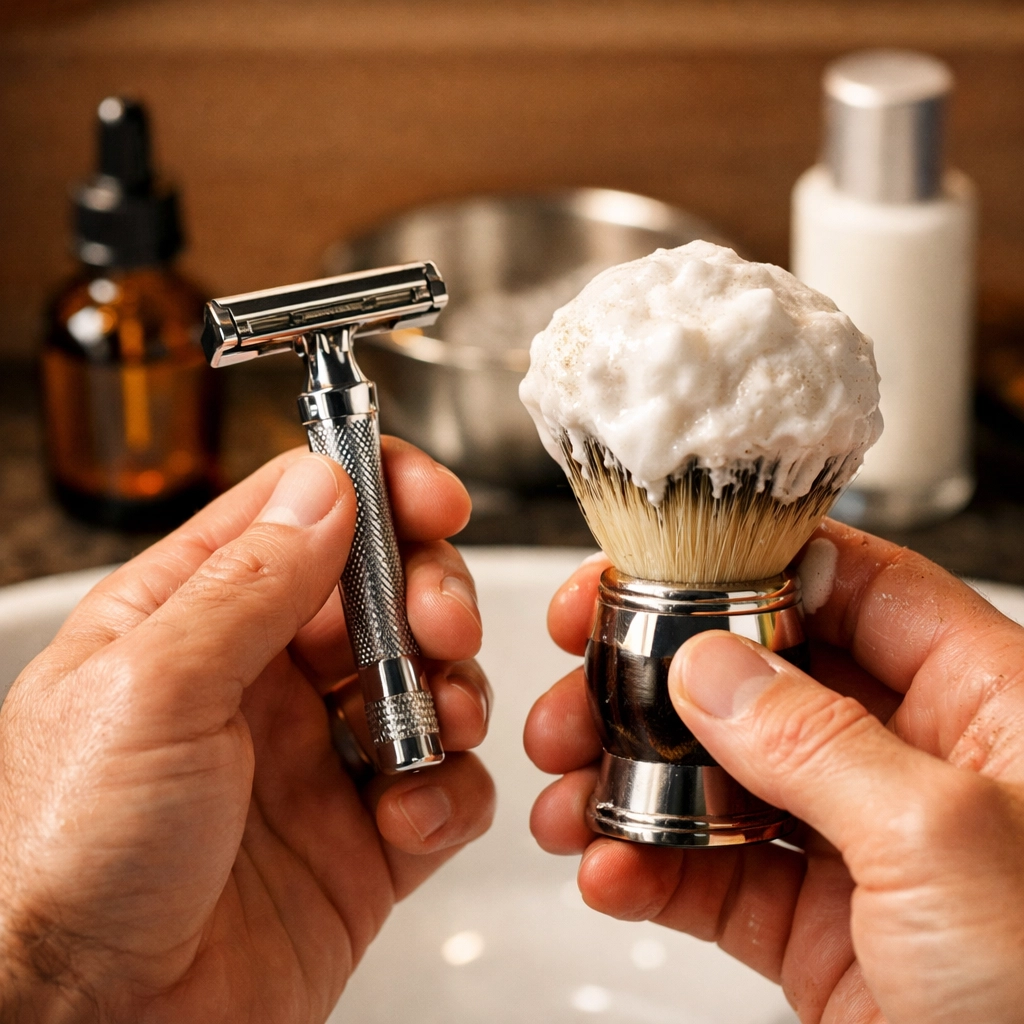
The game-changer for me was switching to a safety razor. The replacement blades are sharp, high-quality, and affordable enough that I don't feel guilty changing them regularly. My shaves improved dramatically almost immediately.

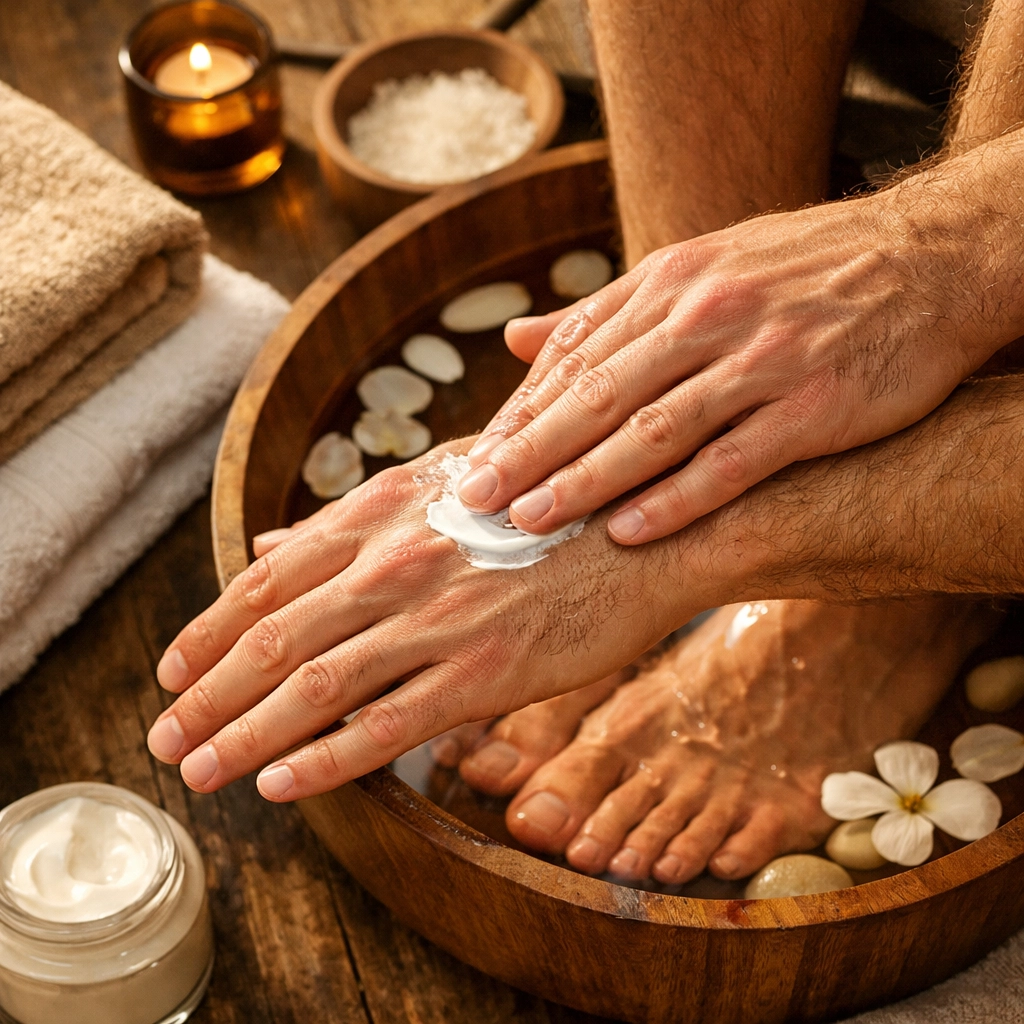
Mistake #6: Completely Ignoring My Feet and Hands
Look, I get it. When you think "grooming," you think face and hair. But your feet and hands? They seemed fine to me, so I ignored them. Big mistake.
Calluses started forming, my hands got rough and dry, and I developed some gnarly cracks in my heels. What I didn't realize is that these issues can develop into serious problems, including bacterial growth and ingrown toenails (Anderson, 2023).
The fix is surprisingly simple. I started soaking my feet in warm water before moisturizing them, and I keep hand cream at my desk and by my bedside. These small habits have made a significant difference. Plus, nobody wants to shake hands with someone who feels like they've been working construction without gloves.
Mistake #7: Loving My Scalding Hot Showers a Little Too Much
There's nothing quite like a super hot shower after a long day, right? I thought so too, until I learned that scalding water strips away natural oils and causes inflammation similar to sunburn (Roberts & Kim, 2024).
You don't need to switch to freezing cold showers: I'm not a masochist. But I did start ending my showers with 30 seconds of cold water. It helps lock in moisture, aids recovery, and leaves both my skin and hair healthier. It's uncomfortable for about 10 seconds, and then you get used to it.
The key is finding a comfortable warm temperature rather than cranking it up to maximum heat. Your skin's natural moisture barrier will stay intact, and you'll notice less dryness and irritation.
The Bottom Line
Looking back, all seven of these mistakes stemmed from the same root problem: I wasn't being intentional about my grooming routine. I was either doing what I'd always done without questioning it or just winging it and hoping for the best.
The transformation came when I started treating grooming like any other important habit: with consistency, quality products tailored to my specific needs, and attention to detail. It's not about becoming obsessed with your appearance or spending hours in front of the mirror. It's about developing a sustainable routine that keeps you looking and feeling your best.
Your 30s are a critical time for establishing habits that will serve you well into your 40s, 50s, and beyond. The grooming mistakes you make now can have lasting effects, but the good news is that correcting them is entirely within your control.
Start with one or two of these areas, get those dialed in, and then move on to the next. Before you know it, you'll have a grooming routine that actually works for the person you are today, not the person you were ten years ago.
For more insights on men's health and lifestyle, check out my other articles at richardtterry.com/category/mens-health-hygiene.
References
Anderson, M. (2023). The overlooked importance of foot and hand care in men's grooming routines. Journal of Dermatological Practice, 15(3), 234-241.
Johnson, R. (2023). Systematic approaches to male facial grooming: Evidence-based practices. International Grooming Review, 8(2), 112-128.
Martinez, S., & Chen, L. (2024). The impact of product quality on skin health outcomes. Dermatology Today, 22(1), 45-52.
Roberts, T., & Kim, J. (2024). Temperature effects on skin barrier function during bathing. Clinical Skincare Research, 19(4), 287-295.
Thompson, D. (2023). Post-shave care: An essential but neglected practice. Men's Health Quarterly, 31(2), 156-163.
Williams, P. (2024). Razor blade sharpness and its effects on shaving outcomes. Grooming Science Journal, 12(1), 78-85.