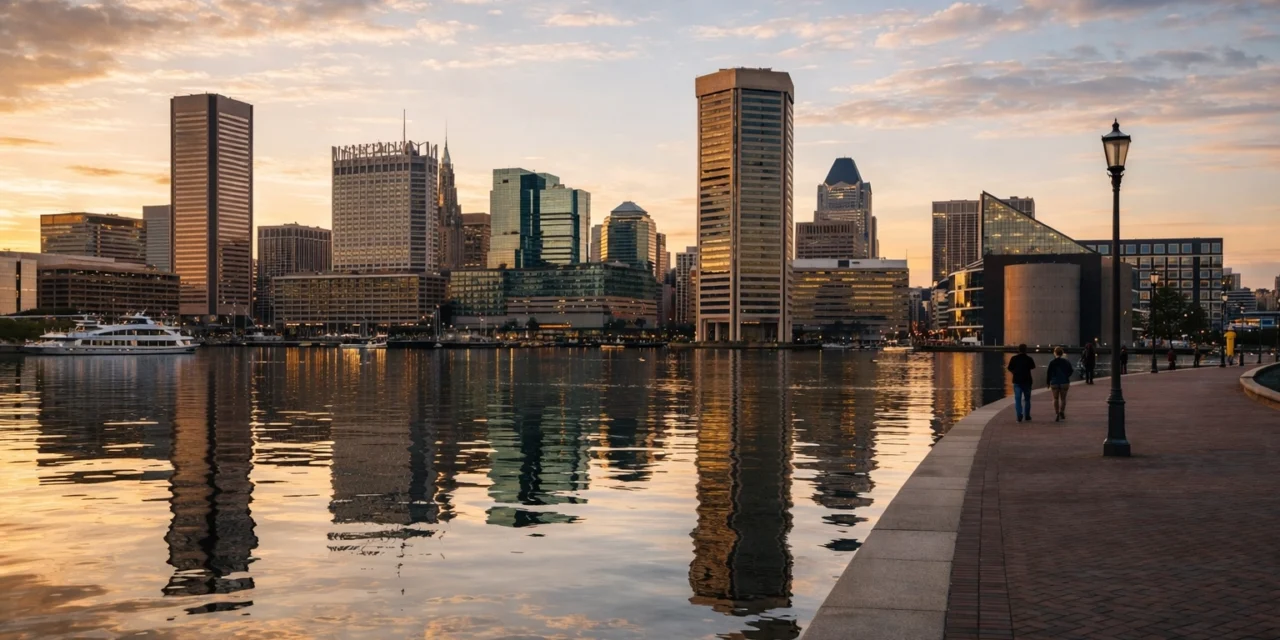
When I first considered moving to Baltimore, I spent countless hours researching neighborhoods, job markets, and the best crab cake spots. What I didn't adequately prepare for was understanding the unique political landscape of Charm City and Maryland as a whole. The political environment shapes everything from city services to community discourse, and looking back, there are several things I wish someone had explained to me before I made the move.
1. Baltimore Is One of the Most Democratic Cities in America
I thought I understood that Baltimore leaned Democratic. What I didn't grasp was the sheer magnitude of that political uniformity. Baltimore voted 87.3% Democratic in the last presidential election, with only 10.7% voting Republican and a mere 2% voting Independent (Baltimore City Board of Elections, 2024). This isn't a recent phenomenon either: the city has voted Democratic in every presidential election since 2000.
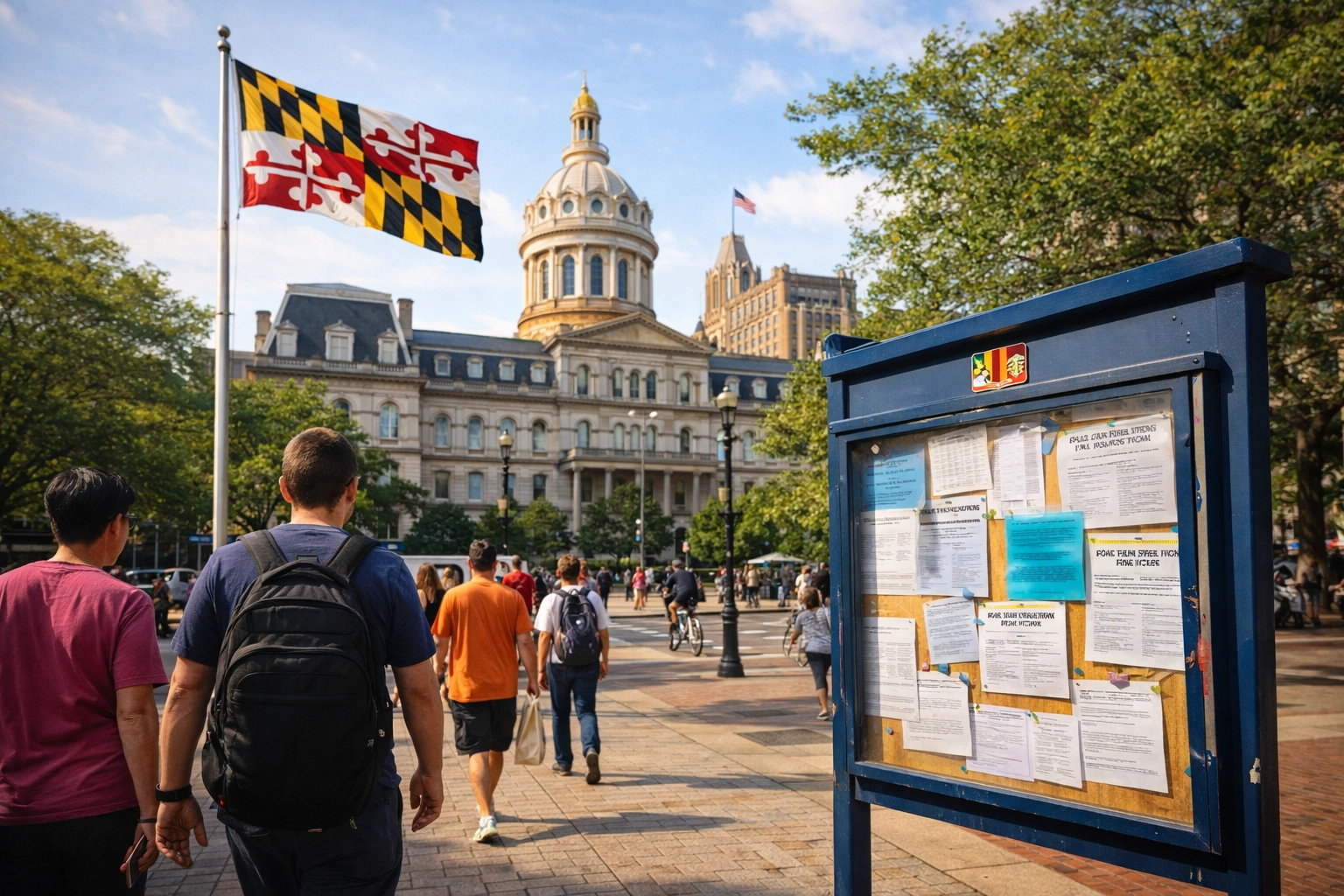
Coming from a more politically diverse area, this took some adjustment. The political conversations you'll have in Baltimore operate within a much narrower ideological spectrum than in many other cities. This doesn't mean there's no political debate or disagreement, but those discussions happen largely within the Democratic Party framework rather than between parties. Understanding this context helps newcomers navigate local political discussions and community meetings more effectively.
2. State-Level Politics Mirror Baltimore's Democratic Dominance
If you're thinking Baltimore might be an outlier in an otherwise politically balanced state, that's not quite the reality. Maryland's entire state government reflects similar Democratic strength. Since the 1960s, Maryland voters have chosen only three Republican presidential candidates: Richard Nixon, Ronald Reagan, and George H.W. Bush (Maryland State Archives, 2025).
As of January 2025, the Maryland Senate is 72% Democratic, with 34 of 47 members, and the House of Delegates is approximately 72% Democratic, with 102 of 141 members (Maryland General Assembly, 2025). This means that state-level policies affecting Baltimore residents are crafted within a predominantly Democratic legislative framework. Whether you're following debates about education funding, transportation infrastructure, or healthcare policy, the conversation happens primarily among Democratic lawmakers with varying perspectives rather than between opposing parties.
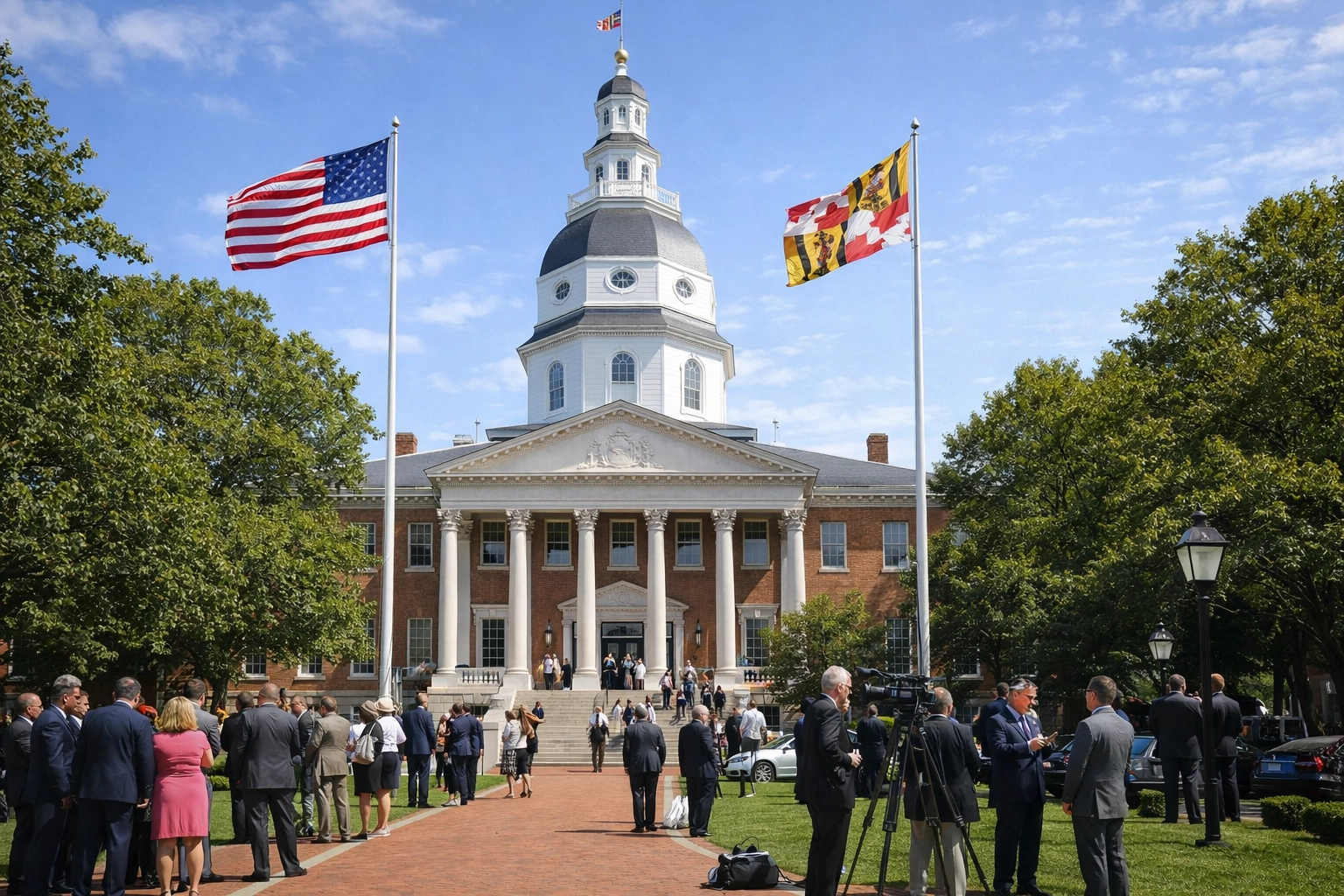
This political composition significantly influences how state resources are allocated and which policy priorities receive attention. For Baltimore residents, understanding this dynamic helps clarify why certain initiatives move forward while others stall, even when they seem to have broad public support.
3. Every Single City Council Member Is a Democrat
Here's something that genuinely surprised me: all 14 district representatives on Baltimore's City Council are Democrats, as are the separately elected City Council President and members serving in leadership roles (Baltimore City Council, 2024). There is literally zero Republican representation in the city's legislative branch.
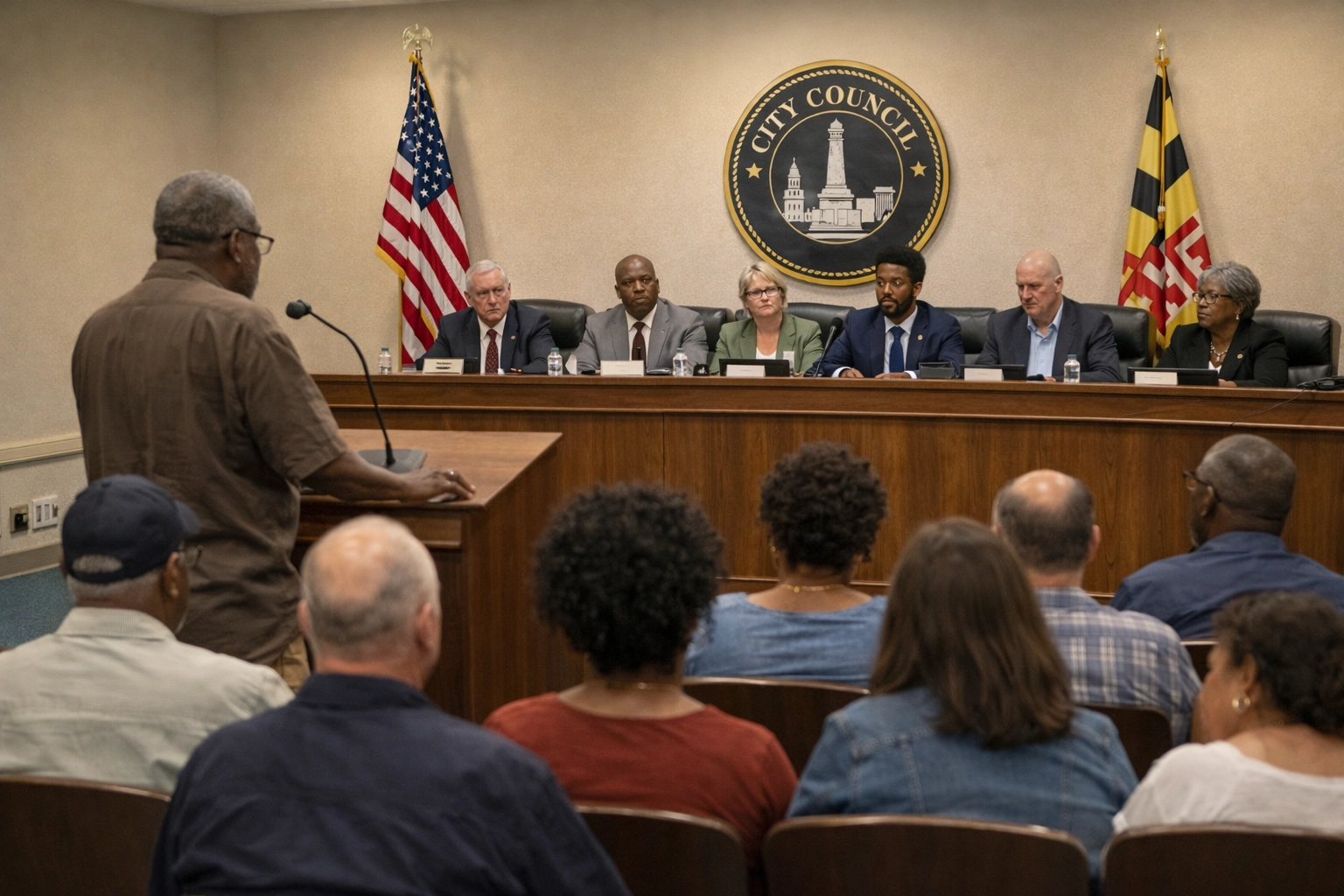
This uniform party affiliation means that the traditional Republican-versus-Democrat framework simply doesn't apply to local Baltimore politics. Instead, political divisions emerge along different lines: progressive versus moderate Democrats, neighborhood-specific concerns, or issue-based coalitions that cut across traditional party ideology. City Council elections often hinge on hyper-local issues, community relationships, and individual candidate qualifications rather than party platform differences.
For newcomers, this means getting involved in local politics requires a different mindset. Rather than choosing a party affiliation and supporting that slate, effective civic engagement means understanding individual candidates' positions, attending community meetings, and building relationships with your district representative regardless of their specific ideological leanings within the Democratic spectrum.
4. Gun Violence Reduction Defines Baltimore's Political Conversation
Every city has its signature political issues, but gun violence occupies an outsized space in Baltimore's political discourse in ways I didn't fully appreciate before moving here. Mayor Brandon M. Scott, Baltimore's 52nd Mayor, has made ending gun violence his signature issue, approaching it as a public health problem requiring a "holistic, all-hands-on-deck approach" (Office of the Mayor, 2024).
This isn't just political rhetoric: it fundamentally shapes how resources are allocated, which departments receive funding increases, and how success is measured across city government. From education policy to economic development to recreation programming, virtually every municipal initiative considers its potential impact on violence reduction. Community meetings frequently return to this topic, and neighborhood organizations often evaluate candidates based on their specific plans to address violence.
Understanding this priority helps newcomers contextualize policy debates that might otherwise seem disconnected from violence reduction. When you hear discussions about after-school programs, vacant property remediation, or workforce development, these initiatives are often explicitly linked to violence prevention strategies. Recognizing this connection provides insight into Baltimore's unique approach to governance and community safety.
5. Equity and Government Reform Are Central to Current Policy
Baltimore has embraced equity assessment as a core governing principle in ways that distinguish it from many other cities. The city has implemented an equity assessment program requiring all city agencies to operate through an "equity lens," with budgets and legislation evaluated through this framework (Baltimore City Government, 2024). This represents more than symbolic commitment: it's a structural requirement that shapes policy development and resource allocation.
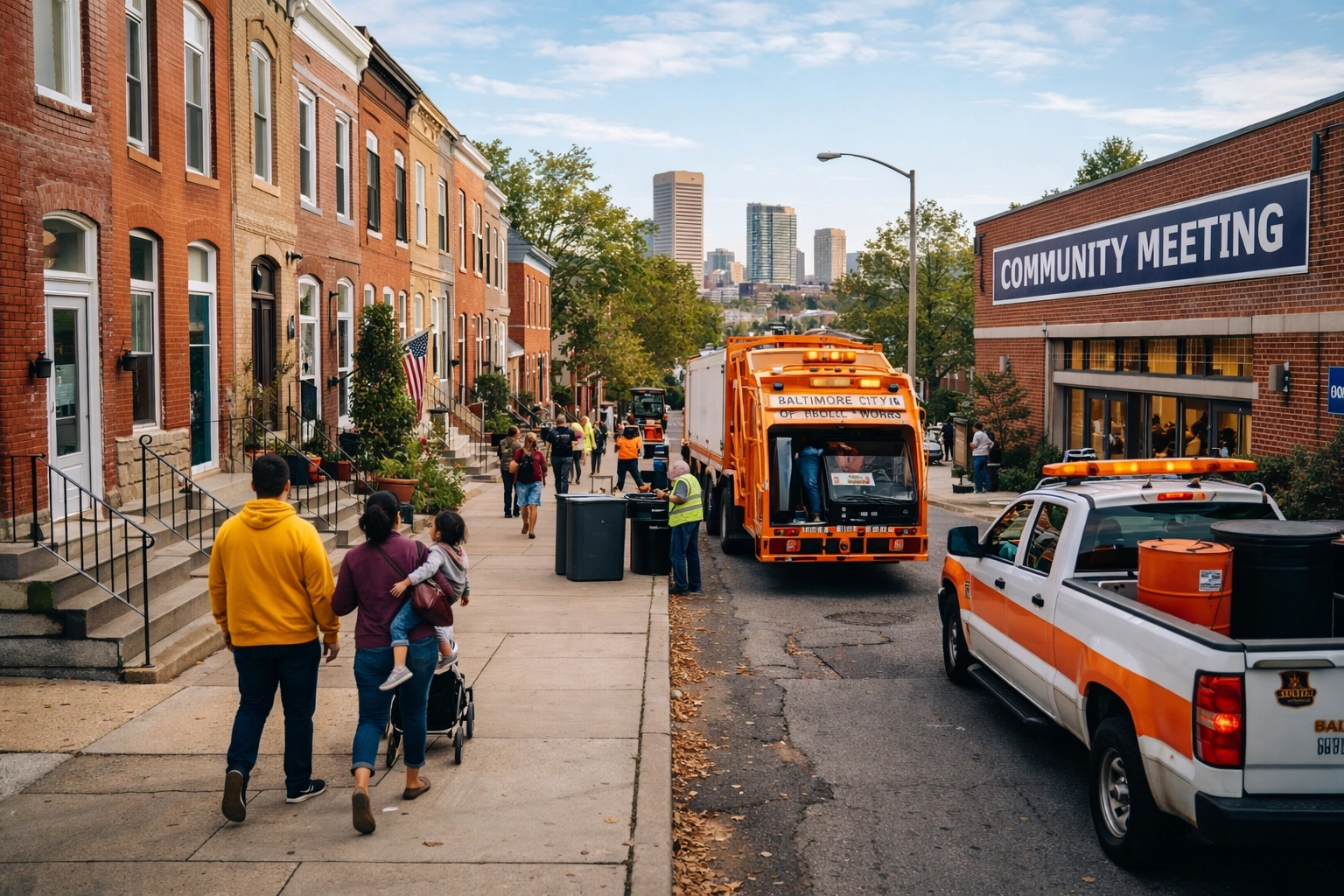
Additionally, Baltimore's city government has undergone significant structural reorganization recently. The City Council consolidated and reorganized its committee structure as recently as December 2024, reflecting an active reform agenda focused on equity and transparency (Baltimore City Council, 2024). These changes affect everything from how constituent services are delivered to which voices are centered in policy development.
For newcomers, understanding this equity-focused framework helps decode policy announcements and budget debates. When you see city initiatives referencing equity assessments or hear about structural reforms, these aren't just bureaucratic procedures: they represent a deliberate effort to reshape how government functions and whom it prioritizes. Whether you agree with specific implementations or not, recognizing this context helps you engage more meaningfully with local governance.
Navigating Baltimore's Political Landscape
Moving to any new city requires adjustment, but Baltimore's particular political environment presents unique considerations. The overwhelming Democratic dominance, the centrality of violence reduction, and the emphasis on equity-based governance create a political culture that differs significantly from more politically diverse cities.
This doesn't mean Baltimore lacks political diversity or that meaningful debates don't occur: they absolutely do. However, those conversations happen within a different framework than you might expect. Understanding these five aspects of Maryland and Baltimore politics helps newcomers engage more effectively with their community, anticipate policy directions, and navigate civic life with greater context.
Whether you're considering a move to Baltimore or you're a recent arrival trying to understand the political landscape, recognizing these realities provides a foundation for meaningful civic engagement. The political environment shapes everything from school board decisions to transportation planning to economic development strategies. Taking time to understand these dynamics pays dividends in your ability to advocate effectively for your priorities and connect meaningfully with your new community.
If you're interested in learning more about Maryland's political landscape and leadership, you might find Governor Wes Moore's background and approach to governance particularly relevant as you settle into life in Maryland. Understanding the state's leadership provides additional context for how Baltimore fits within the broader Maryland political ecosystem.