
The morning hours represent critical opportunities for establishing productive patterns throughout the day. Technology, when leveraged strategically, serves as a powerful catalyst for maximizing these early moments. Modern digital tools and intelligent software applications provide significant advantages for individuals seeking to optimize their morning routines and enhance overall productivity.
The challenge lies not in accessing technology but in using it purposefully. Many professionals find themselves trapped in reactive patterns, responding to notifications and digital demands before establishing their own priorities. This approach undermines the potential benefits that thoughtfully implemented technology can deliver.
1. Activate Airplane Mode During Sleep Hours
The strategic use of airplane mode between 8:00 PM and 8:00 AM creates meaningful separation from digital demands. This practice offers multiple benefits that extend beyond simple disconnection. Research indicates that reducing electromagnetic exposure during sleep hours contributes to improved rest quality (Pall, 2018). Additionally, airplane mode eliminates the temptation to check devices immediately upon waking, a habit that frequently derails morning intentions.

When airplane mode is engaged overnight, the morning begins with intention rather than reaction. The absence of notifications allows for mindful transition into the day, supporting higher-leverage activities such as exercise, meditation, or strategic planning. This boundary establishes control over attention and energy during vulnerable early hours.
2. Implement Screen Color Temperature Software
Blue light emission from digital screens interferes with natural circadian rhythms by suppressing melatonin production. Software applications such as f.lux address this challenge by automatically adjusting screen color temperature based on time of day and geographic location. After sunset, these programs shift display colors toward warmer tones, reducing blue light exposure.
The implications for morning productivity are significant. Improved sleep quality resulting from reduced blue light exposure translates directly to enhanced morning alertness and cognitive function. Studies demonstrate that individuals who maintain healthy sleep patterns exhibit superior decision-making abilities and creative problem-solving skills (Walker, 2017).
3. Deploy AI-Powered Task Prioritization Tools
Artificial intelligence has transformed task management by offering sophisticated prioritization capabilities. Applications leveraging machine learning algorithms analyze work patterns, deadlines, and project importance to suggest optimal task sequences. These tools eliminate decision fatigue during morning hours when cognitive resources are most valuable.

The practice of identifying three critical tasks each morning gains efficiency through AI assistance. Rather than manually sorting through lengthy task lists, intelligent software highlights priorities based on multiple factors including urgency, impact, and alignment with broader objectives. This technological support enables faster transition into meaningful work.
4. Disable Non-Essential Notifications System-Wide
Notification management represents one of the most impactful technological adjustments available to modern professionals. The constant interruption of alerts fragments attention and diminishes focus quality. Research in cognitive psychology confirms that task switching carries significant cognitive costs, reducing overall productivity by as much as 40% (Rubinstein, Meyer, & Evans, 2001).
Systematic notification disabling across devices creates protected focus periods. Most professionals require alerts from only a handful of critical sources. Email notifications, social media updates, and promotional messages rarely warrant immediate attention. Configuring devices to silence these interruptions preserves morning concentration for high-value activities.
The configuration process requires initial investment but delivers ongoing returns. Desktop computers, smartphones, and wearable devices all contain notification settings that allow granular control over alert delivery. Taking time to customize these preferences transforms the relationship with technology from reactive to proactive.
5. Utilize Voice-Activated Smart Assistants for Routine Tasks
Voice-activated artificial intelligence assistants streamline morning routines by handling repetitive tasks through simple commands. These systems control smart home devices, provide weather updates, set reminders, and manage calendar items without requiring manual device interaction. The efficiency gains compound over time as users develop fluency with voice commands.

The hands-free nature of voice assistants offers particular advantages during morning preparation. While attending to physical routines such as exercise or meal preparation, users can simultaneously gather information, adjust environmental controls, or organize schedules. This multitasking capability maximizes productive output during constrained morning timeframes.
6. Schedule Automatic Email Batching
Email represents one of the most significant sources of morning distraction. The practice of checking messages immediately upon waking initiates reactive patterns that persist throughout the day. Email batching software addresses this challenge by consolidating message delivery into designated time blocks rather than allowing continuous notification streams.
Applications offering email batching functionality provide control over message arrival timing. Users can configure systems to deliver emails at specific intervals, such as 10:00 AM and 3:00 PM, rather than receiving messages as they arrive. This approach maintains communication efficiency while protecting morning focus periods for proactive work.
The psychological benefit of email batching extends beyond simple time management. Knowing that messages arrive at predictable intervals reduces anxiety about missing important communications while simultaneously preventing constant email checking behaviors. This balance supports both productivity and peace of mind.
7. Integrate Hydration Tracking Technology
Physical wellness directly influences cognitive performance, and proper hydration plays a critical role in morning alertness. Smart water bottles and hydration tracking applications provide technological support for maintaining optimal fluid intake. These devices use sensors and reminder systems to encourage consistent water consumption throughout morning hours.
Research demonstrates that even mild dehydration impairs cognitive function, affecting concentration, memory, and mood (Popkin, D'Anci, & Rosenberg, 2010). Starting the day with adequate water intake activates metabolic processes and supports mental clarity. Technology that automates hydration tracking removes the burden of manually monitoring water consumption while ensuring this fundamental wellness practice receives appropriate attention.
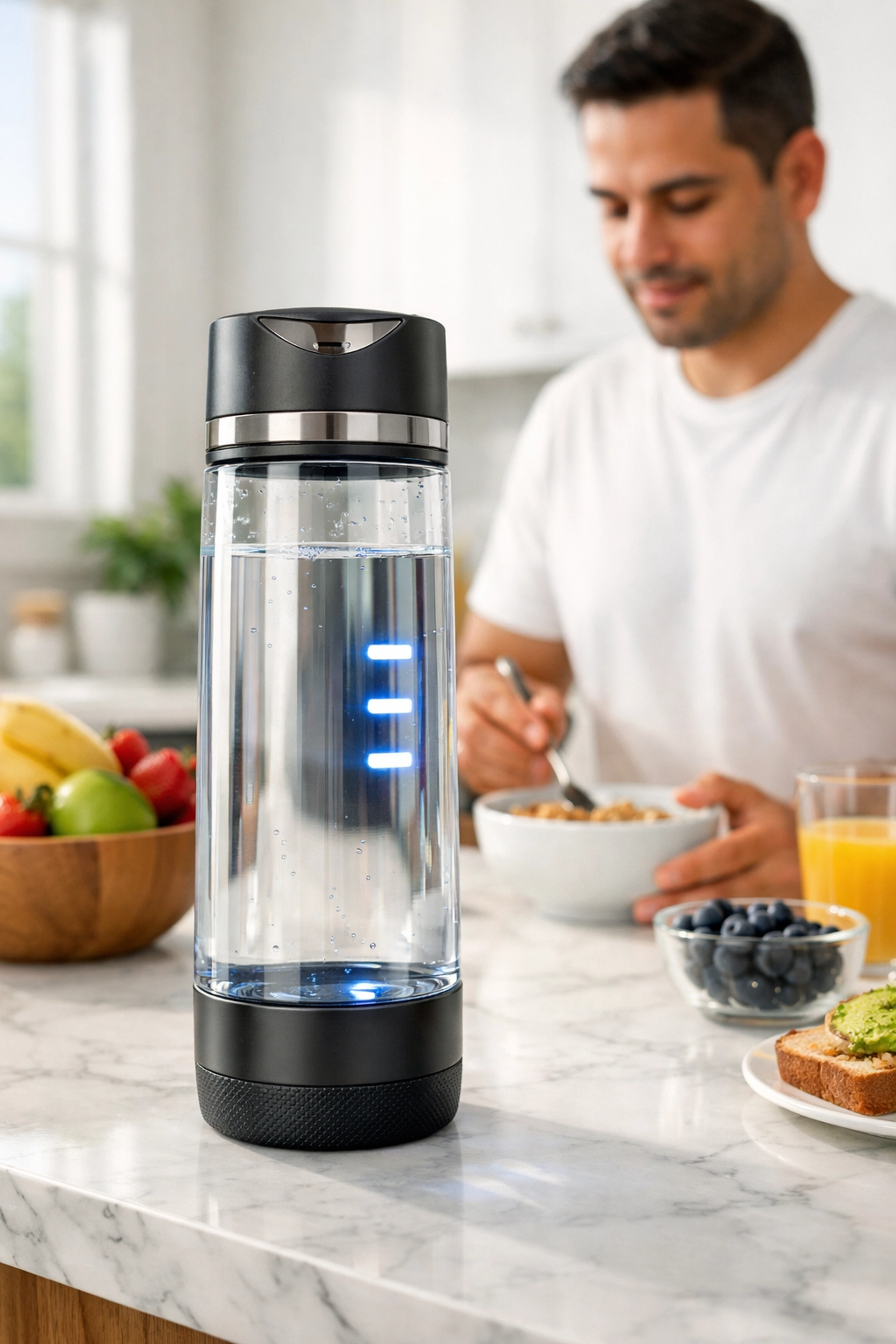
Smart hydration devices connect with smartphone applications to provide consumption patterns, achievement metrics, and personalized recommendations. This data-driven approach transforms a basic health practice into an optimized routine supported by objective feedback and behavioral reinforcement.
Implementing Technology with Purpose
The integration of these technological strategies requires thoughtful implementation rather than wholesale adoption. Each individual's circumstances, work patterns, and personal preferences influence which tools deliver the greatest value. The common thread across all these approaches involves using technology to support human priorities rather than allowing technology to dictate behavior patterns.
Successful morning routines balance digital tools with analog practices. Technology serves as an enabler, removing friction from desired behaviors while creating barriers against distracting alternatives. This intentional design transforms mornings from reactive scrambles into purposeful periods that set positive trajectories for entire days.
The morning hours offer unique opportunities for establishing momentum and direction. When technology is deployed strategically during these critical periods, it amplifies human capabilities rather than diminishing them. The difference between effective and ineffective technology use lies not in the tools themselves but in the intentionality with which they are implemented.
In conclusion, these seven technology strategies represent practical approaches for optimizing morning routines. From managing notification streams to leveraging artificial intelligence for task prioritization, each hack addresses specific challenges that diminish morning productivity. The integration of these tools creates systems that support focus, efficiency, and purposeful action. As technology continues advancing, opportunities for morning optimization will expand, offering even greater potential for individuals committed to maximizing their most valuable hours.
References:
Pall, M. L. (2018). Wi-Fi is an important threat to human health. Environmental Research, 164, 405-416.
Popkin, B. M., D'Anci, K. E., & Rosenberg, I. H. (2010). Water, hydration, and health. Nutrition Reviews, 68(8), 439-458.
Rubinstein, J. S., Meyer, D. E., & Evans, J. E. (2001). Executive control of cognitive processes in task switching. Journal of Experimental Psychology: Human Perception and Performance, 27(4), 763-797.
Walker, M. (2017). Why We Sleep: Unlocking the Power of Sleep and Dreams. Scribner.