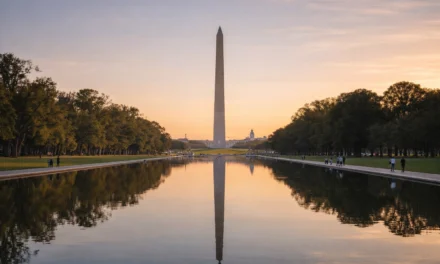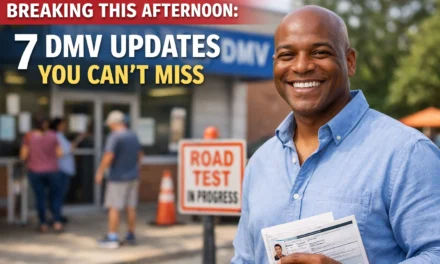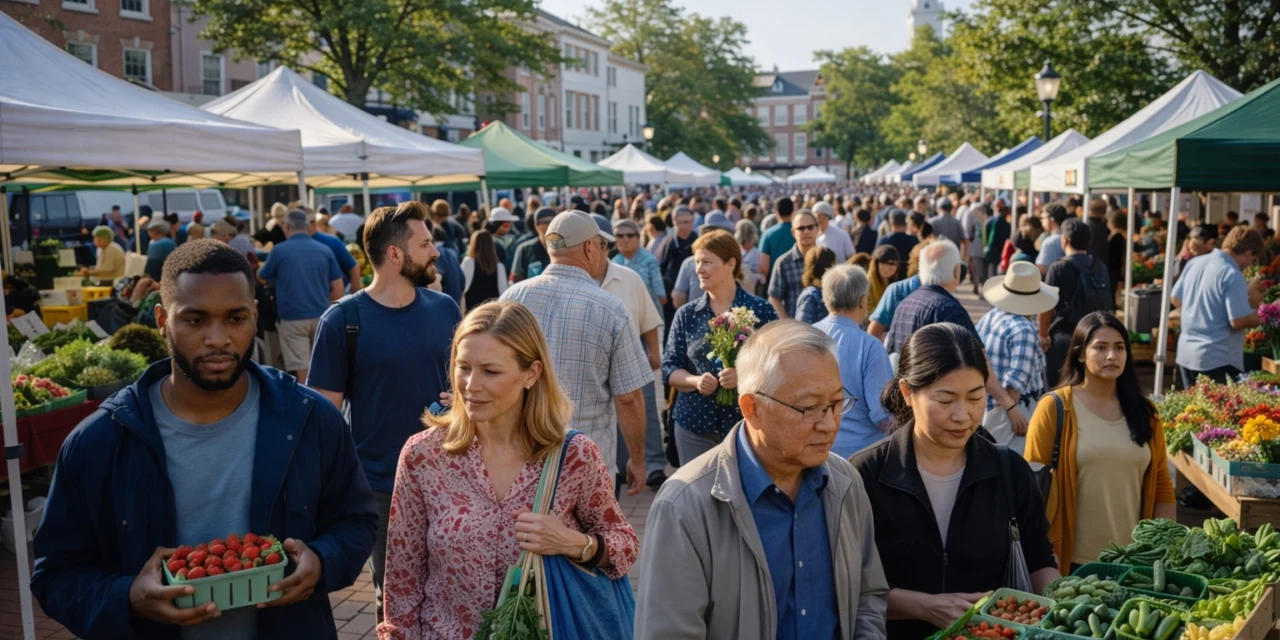
Good morning, DMV. As Monday gets underway, several important developments across the District, Maryland, and Virginia require attention from residents. From transportation updates to policy changes, staying informed about regional developments helps navigate daily life more effectively. This roundup provides essential information that impacts commuters, families, and professionals throughout the metropolitan area.
1. Metro Service Adjustments Begin Today
The Washington Metropolitan Area Transit Authority (WMATA) implemented significant schedule modifications effective this morning. Red Line service now operates on a reduced frequency during mid-day hours, with trains arriving every 15 minutes instead of the previous 12-minute intervals between 10 a.m. and 3 p.m. on weekdays.
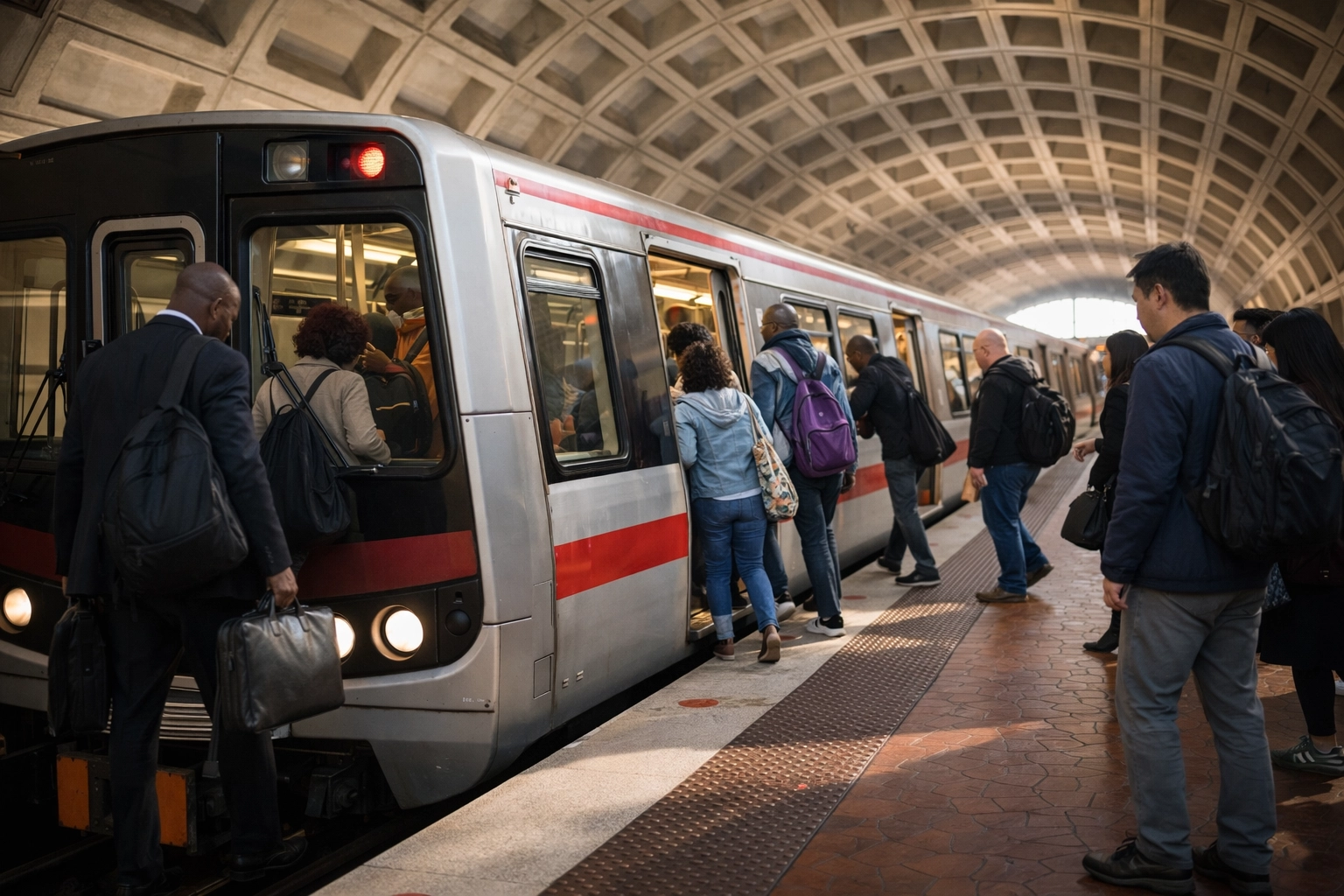
These adjustments reflect ongoing track maintenance projects scheduled to continue through late spring. Orange and Silver Line riders should anticipate similar modifications beginning next week. Transit officials recommend adding an additional 10 to 15 minutes to commute times for passengers traveling during affected periods. Alternative bus routes remain available for riders seeking to avoid potential delays.
The changes represent part of a broader infrastructure improvement initiative aimed at enhancing long-term system reliability. While short-term inconveniences occur, these investments contribute to a more dependable transit network for the region's future needs.
2. Maryland Implements New Clean Energy Tax Credit
Maryland residents gained access to expanded clean energy tax incentives starting February 1st. The Enhanced Green Home Credit program offers qualifying homeowners up to $2,500 in state tax credits for eligible energy efficiency upgrades completed during the 2026 tax year.
Covered improvements include solar panel installations, heat pump systems, enhanced insulation projects, and energy-efficient window replacements. The program operates on a first-come, first-served basis with a total allocation of $15 million in credits available statewide.
Homeowners interested in participating must submit pre-approval applications through the Maryland Energy Administration's online portal before beginning renovation work. Documentation requirements include contractor estimates, property ownership verification, and planned completion timelines. This initiative aligns with Maryland's broader commitment to reducing carbon emissions while providing tangible financial benefits to residents investing in sustainable home improvements.
3. Virginia I-66 Express Lanes Fee Structure Update
Virginia Department of Transportation announced revised toll rates for the I-66 Express Lanes inside the Beltway. The updated pricing algorithm takes effect during this morning's commute, implementing dynamic rates that respond more aggressively to traffic volume fluctuations.
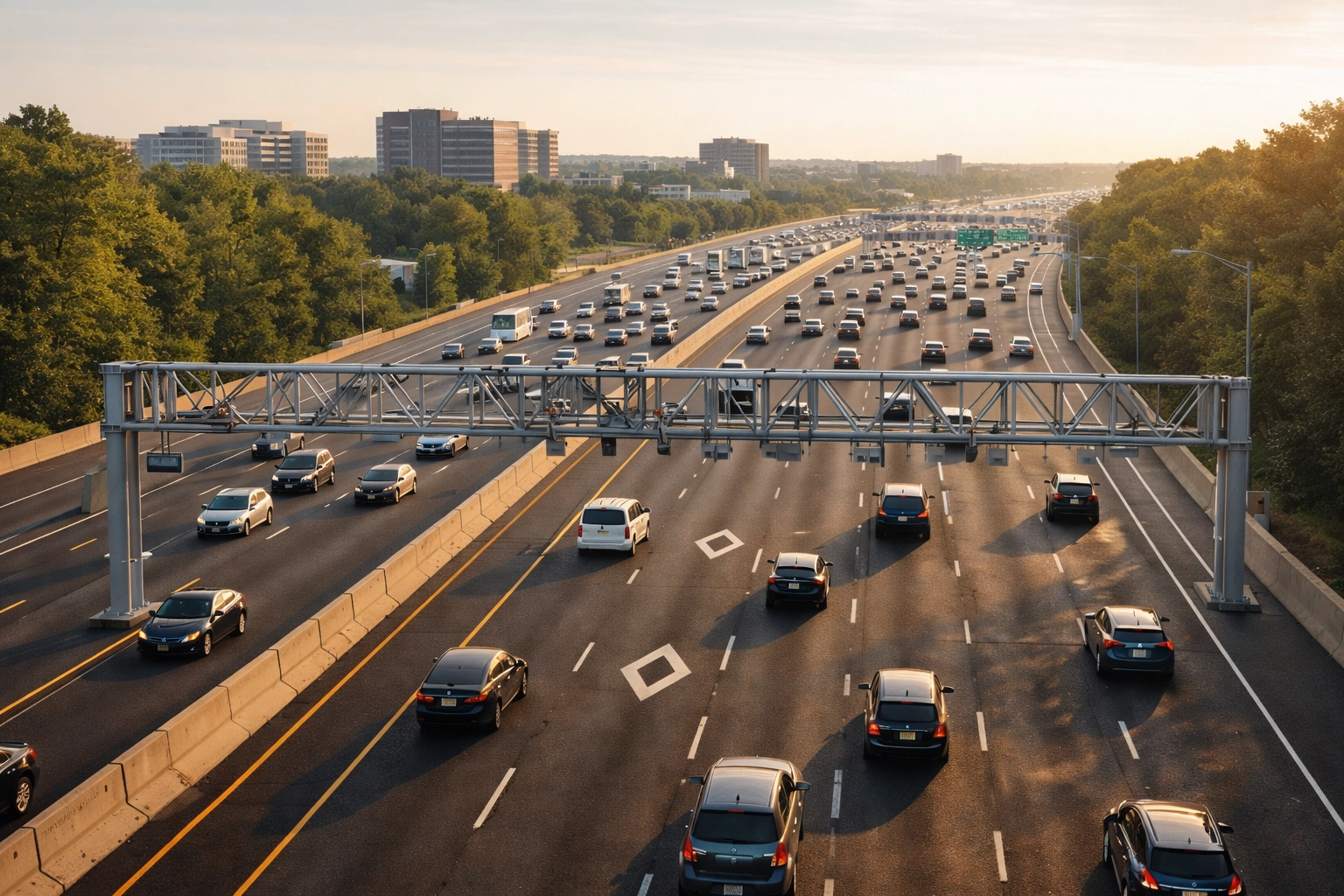
During peak morning hours (6:30 a.m. to 9 a.m.), maximum toll rates increased by approximately 20 percent compared to previous pricing models. The adjustment aims to maintain optimal traffic flow by encouraging carpooling and alternative departure times. Vehicles carrying three or more occupants with proper E-ZPass Flex transponders continue to travel toll-free regardless of posted rates.
Transportation officials emphasized that the majority of commuters (approximately 65 percent) will experience minimal impact from the changes. The revised structure particularly affects single-occupancy vehicles traveling during the highest-demand periods. Real-time rate information remains available through the 511 Virginia mobile application and electronic signage along the corridor.
4. DC Public Schools Announce Spring Registration Dates
District of Columbia Public Schools (DCPS) opened its spring enrollment period for the 2026-2027 academic year. Families seeking to enroll students in pre-kindergarten through 12th grade programs can submit applications through the My School DC platform beginning today through March 15th.
This year's process includes expanded lottery preference categories for siblings, students living within designated school boundaries, and children of active-duty military personnel. The centralized enrollment system serves both traditional public schools and participating charter schools throughout the District.
Information sessions for prospective families occur throughout February at various school locations and community centers. These gatherings provide opportunities to learn about specific programs, meet administrators, and understand the application process thoroughly. DCPS officials encourage early submission to maximize placement options, though all applications received by the March deadline receive equal consideration in the lottery system.
5. Regional Air Quality Alert Expected Midweek
The Metropolitan Washington Council of Governments issued a preliminary air quality forecast indicating potentially unhealthy conditions for sensitive groups on Wednesday and Thursday. The alert stems from anticipated weather patterns that may trap pollutants near ground level across the region.
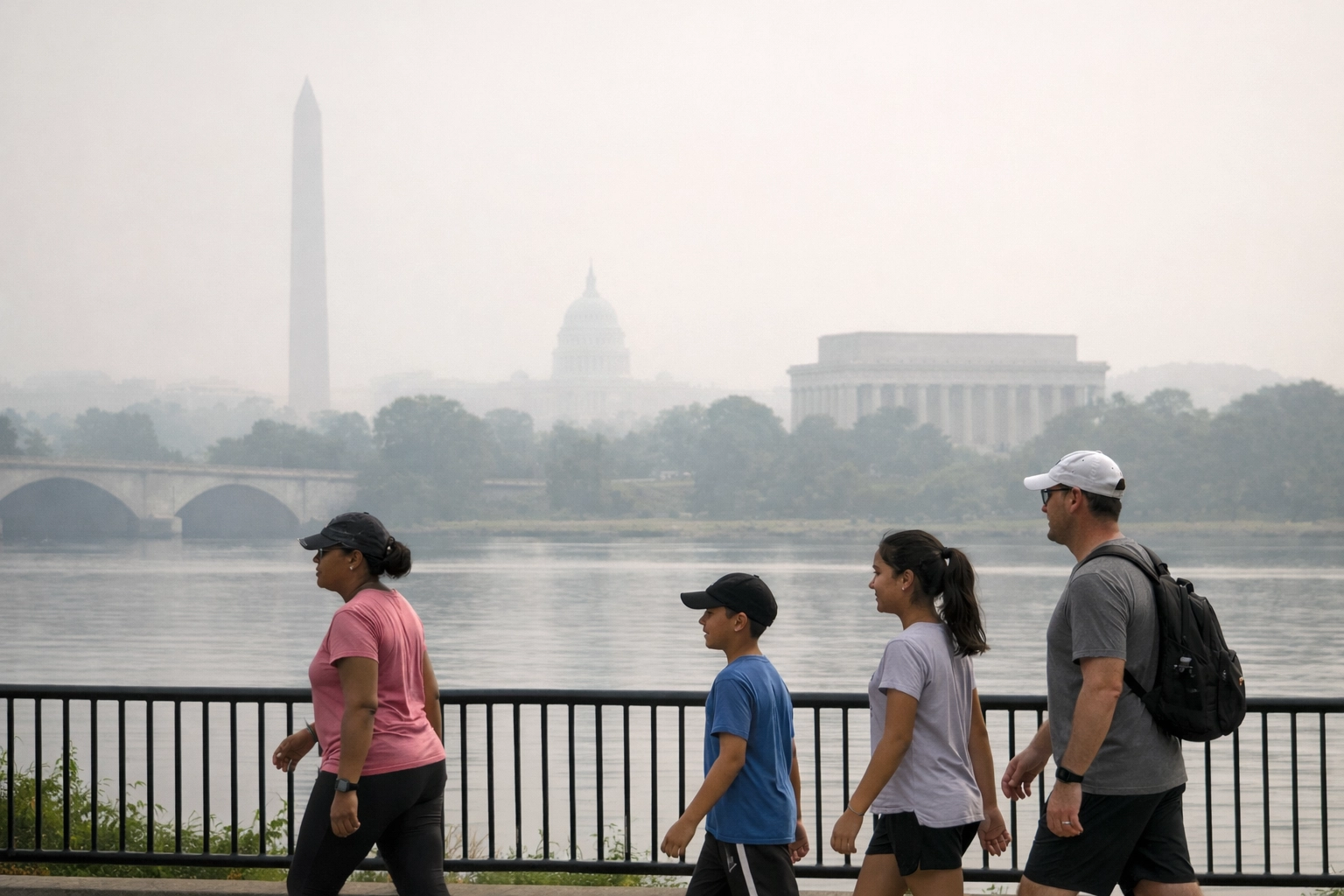
Individuals with respiratory conditions, young children, and older adults should consider limiting prolonged outdoor activities during affected periods. The forecast remains subject to change as meteorological conditions develop, and officials will provide updates as additional data becomes available.
This early-season air quality concern underscores the importance of regional cooperation in monitoring environmental conditions. Residents can contribute to improved air quality by reducing vehicle trips, limiting idling, and postponing activities that generate emissions during advisory periods. Current conditions and updated forecasts remain accessible through local health department websites and air quality monitoring applications.
6. Small Business Grant Applications Now Open in Maryland
Montgomery and Prince George's counties launched coordinated small business support programs offering competitive grants ranging from $5,000 to $25,000. The Economic Resilience Initiative targets businesses with fewer than 50 employees operating within county boundaries.
Eligible expenses include equipment purchases, technology upgrades, workforce development initiatives, and facility improvements. Priority consideration goes to businesses located in designated opportunity zones and establishments demonstrating commitment to sustainable practices or community engagement.
Application materials require detailed business plans, financial statements from the previous two years, and clear descriptions of how grant funds would be utilized. Both counties allocated $3 million to their respective programs, with funding distributed across multiple award cycles throughout 2026. Technical assistance workshops begin this week to help business owners navigate the application process effectively.
7. Major Road Construction Begins on Route 7 Corridor
The Virginia Department of Transportation commenced a significant reconstruction project along Route 7 between Tysons Corner and Reston. The multi-year initiative focuses on widening the corridor, improving intersections, and enhancing pedestrian and bicycle infrastructure.
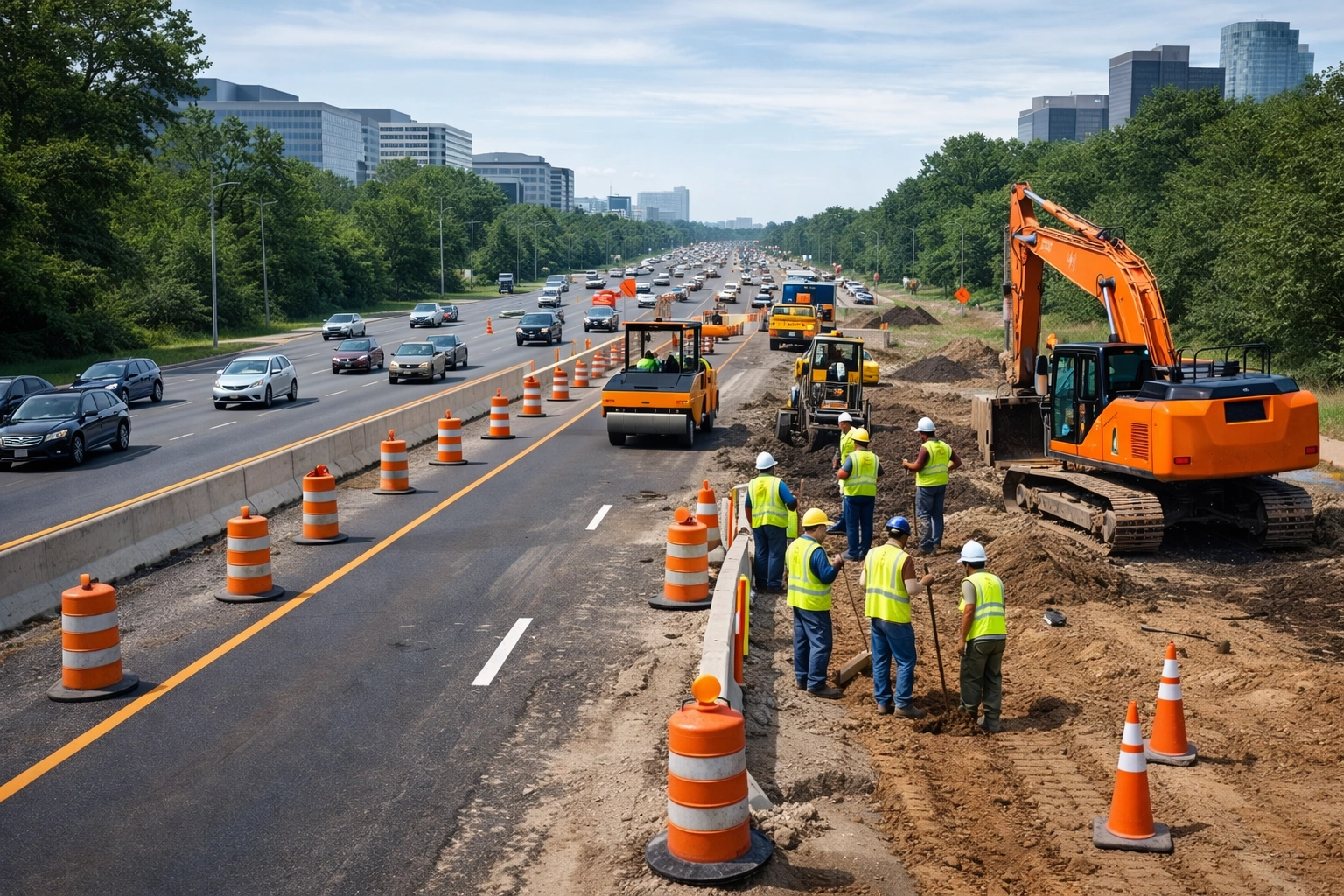
Initial phase work concentrates on utility relocation and preliminary grading activities. Significant traffic impacts remain minimal during February, though drivers should anticipate overnight lane closures beginning later this month. The project timeline extends through 2028, with various construction stages affecting different segments of the corridor.
This infrastructure investment addresses one of Northern Virginia's most congested corridors while supporting regional growth projections. Enhanced multi-modal accommodations align with broader transportation planning goals that prioritize diverse travel options. Regular project updates and real-time traffic information will be provided through VDOT's website and social media channels as work progresses.
Staying Informed Makes a Difference
These seven developments represent significant factors affecting daily life throughout the DMV region. Understanding service changes, new programs, and infrastructure projects enables residents to make informed decisions about commuting, household investments, and community participation.
The metropolitan area continues evolving with new initiatives and improvements designed to enhance quality of life for all residents. Staying current with regional developments, from transit modifications to economic opportunities, helps individuals and families navigate changes more effectively. As February progresses, additional updates will emerge across various sectors affecting the DMV community.
Regional cooperation and informed citizenship contribute to a more connected and resilient metropolitan area. By remaining aware of developments across jurisdictions, residents can better advocate for their interests and take advantage of available resources and programs.