Look, I'll be honest with you. As someone who's spent years watching Baltimore politics unfold, I know it can feel overwhelming to keep up with everything happening at City Hall and in Annapolis. Between work, family, and everything else life throws at us, who has time to track every city council meeting or budget proposal?
But here's the thing: some issues are too important to ignore. They're the ones that will directly impact your daily life, whether you realize it or not. So I've done the heavy lifting for you. After digging through policy proposals, budget discussions, and legislative priorities for 2026, I've identified five local issues that every Baltimore resident needs to have on their radar right now.
1. Transportation Projects That Will Transform How We Move
If you've ever sat in traffic on I-95 or waited forever for a bus that never showed up, you already know Baltimore's transportation system needs serious work. The good news? Major changes are coming, and they could fundamentally reshape how we get around this city.
The BMore Bus Plan isn't just another transit proposal collecting dust in some filing cabinet. This is happening. We're talking about improved bus routes, more frequent service, and better connections to where people actually need to go (Greater Baltimore Committee, 2025). Then there's the Frederick Douglass Tunnel completion and Penn Station modernization, projects that will determine whether Baltimore remains connected to the regional economy or gets left behind.
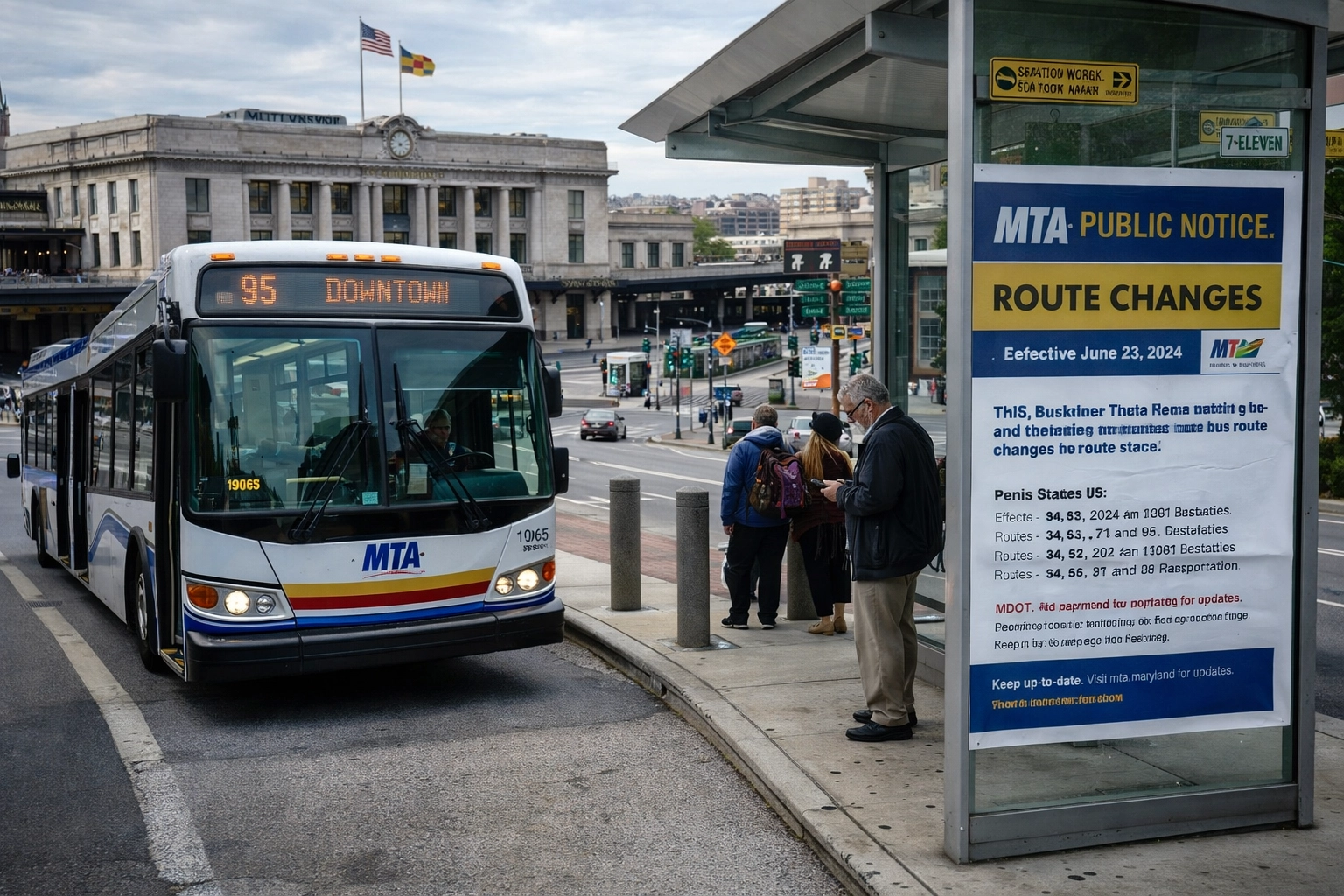
And let's not forget about the Key Bridge rebuilding. After its collapse, we learned the hard way how critical infrastructure connects our city to jobs and opportunities. These aren't just construction projects; they're investments in Baltimore's economic future. When infrastructure improves, businesses can move goods more efficiently, workers can access more job opportunities, and neighborhoods become more connected.
The real question is whether these projects will get the funding and political support they need to actually happen on schedule. That's what we need to watch.
2. Public Safety Gets Real Funding (Finally)
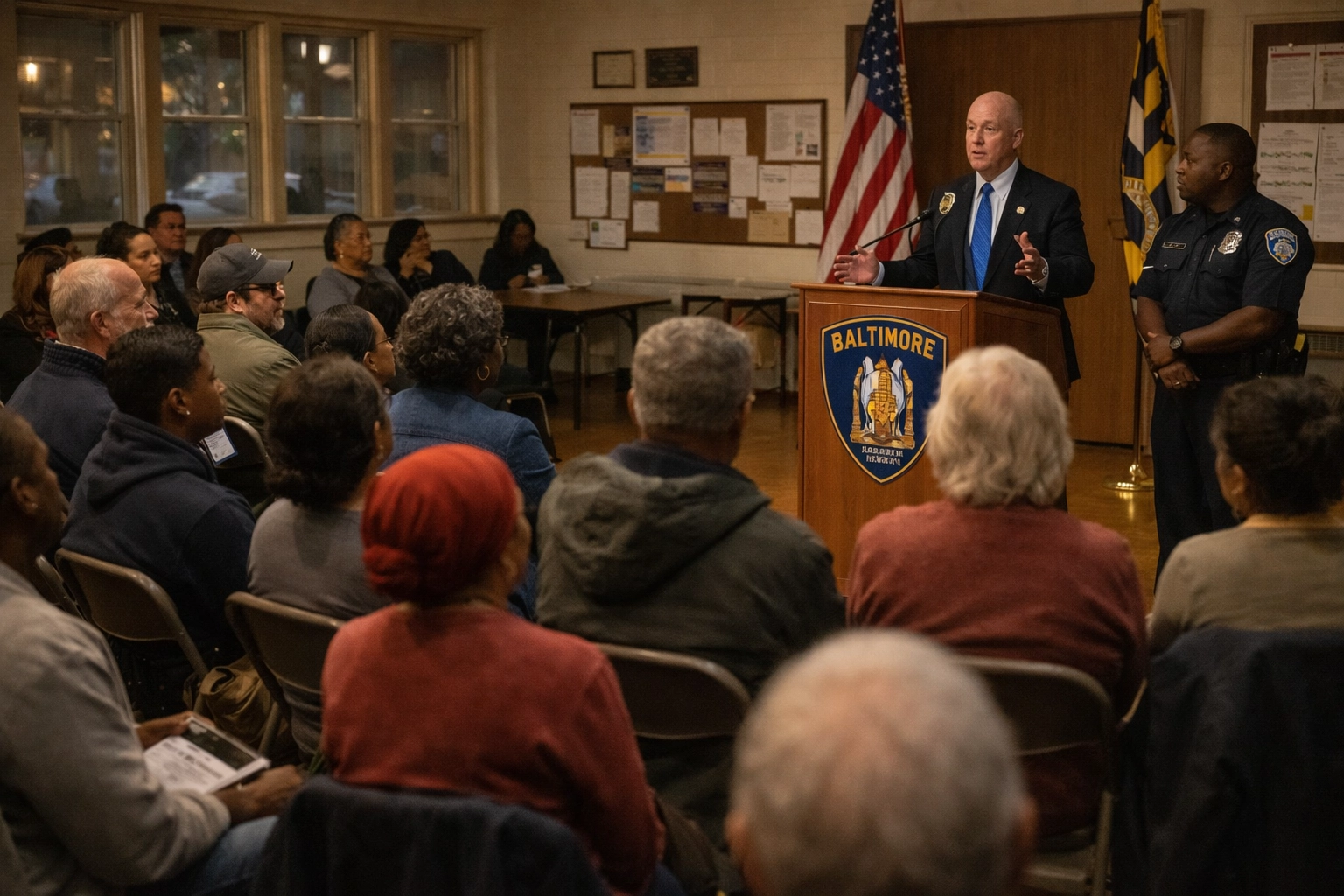
I'm not going to sugarcoat this one. Baltimore's crime rate has been a weight around the city's neck for too long. But Mayor Brandon Scott has made public safety funding a top priority for 2026, and Governor Wes Moore is backing that up with state resources (Maryland Governor's Office, 2025).
This isn't just about putting more police officers on the street. It's about comprehensive community safety strategies that address root causes while also responding to immediate threats. We're seeing investments in violence prevention programs, community policing initiatives, and support for victims of crime.
What I find encouraging is that both city and state leadership are aligned on this issue. When you have that kind of coordination between different levels of government, actual change becomes possible. But residents need to stay engaged and demand accountability. Where exactly is this money going? What metrics are we using to measure success? These are questions we should all be asking.
3. Housing Affordability vs. Budget Reality
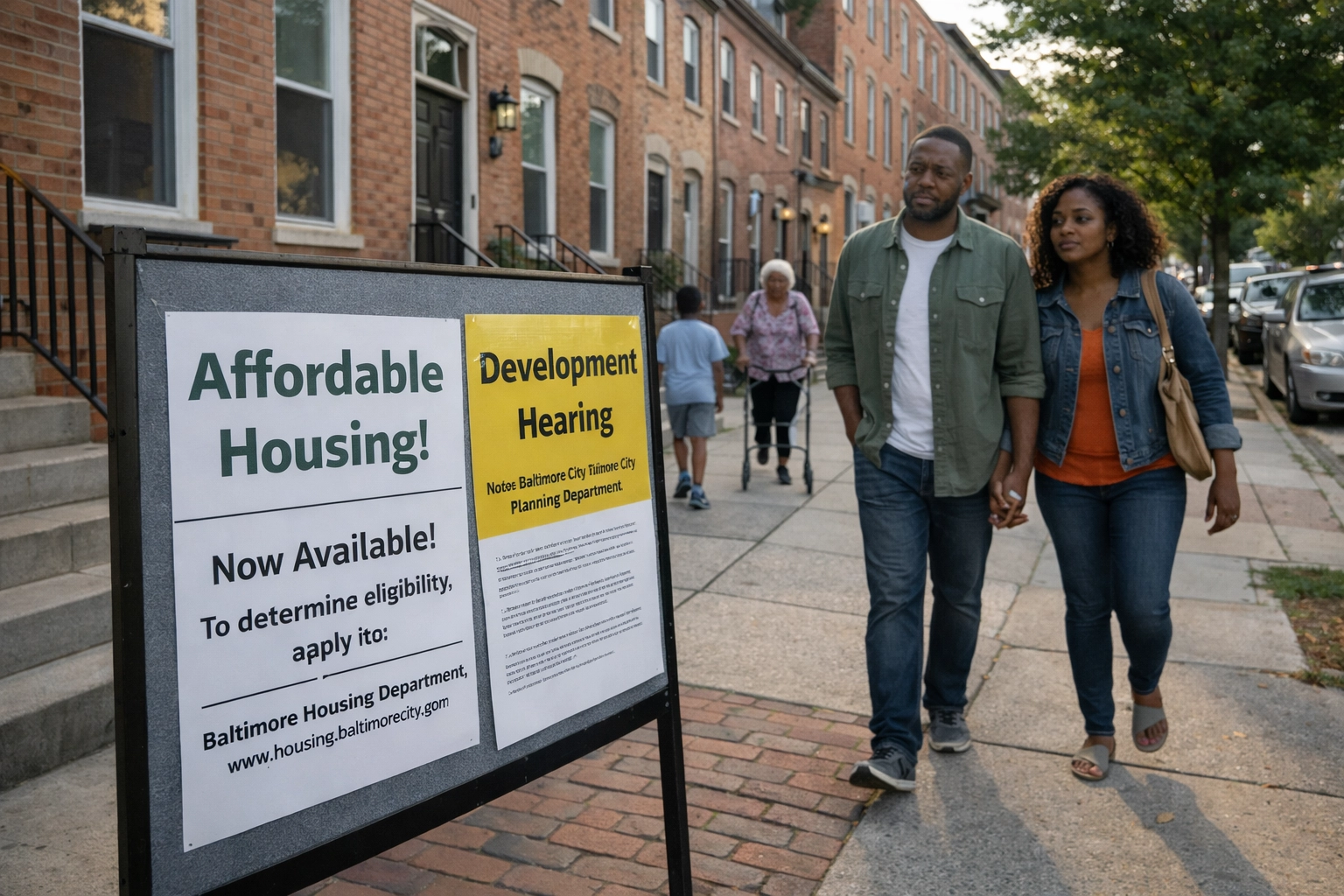
Here's where things get complicated. Mayor Scott wants to increase housing funding to address Baltimore's affordability crisis (City of Baltimore, 2025). I mean, have you looked at rent prices lately? Even in neighborhoods that were considered "affordable" just a few years ago, prices have skyrocketed.
But here's the catch: Maryland is facing a $1.5 billion budget deficit (Maryland Department of Budget and Management, 2025). That's not pocket change. So we've got this tension between what the city desperately needs and what the state can realistically afford to provide.
This is going to be one of those political battles where compromise becomes essential. Maybe we can't fund every housing program on the wish list, but which ones make the biggest impact? How do we prioritize families being priced out of their neighborhoods versus developing new affordable units? These are the conversations happening behind closed doors that affect whether you can afford to stay in Baltimore.
I encourage everyone to pay attention to how this plays out in the state legislature and city council. Housing policy might sound boring, but it determines who gets to call Baltimore home.
4. Economic Growth That's… Not Really Growing
Let me hit you with some numbers that should worry all of us. Baltimore's regional economy grew by only 0.2% GDP and 0.5% in jobs during 2025 (Regional Economic Studies Institute, 2025). That's basically stagnant. We saw particular declines in government jobs, manufacturing, and transportation sectors.
This isn't just statistics on a page. This is about whether Baltimore can compete with other cities for talent and investment. It's about whether young people see a future here or look elsewhere for opportunities. It's about whether existing businesses expand or relocate.
The infrastructure investments I mentioned earlier? They're part of the solution to this economic stagnation. But we also need focused strategies for business development, workforce training, and creating conditions that make Baltimore attractive to employers. State and city leaders need to figure out how to stimulate real economic recovery, not just talk about it.
What can you do? Support local businesses, advocate for economic development policies that make sense, and hold elected officials accountable for results. Economic growth doesn't happen by accident.
5. Immigration Policy Hits Home
This one's getting pretty heated in Annapolis right now. Maryland lawmakers are debating whether to end cooperation with federal immigration enforcement through something called the 287-G program (Maryland General Assembly, 2026).
Why does this matter to Baltimore residents? Because it directly affects local law enforcement policies and whether immigrant communities trust the police enough to report crimes or cooperate with investigations. We've already seen deportations of local community members, and the debate is creating real fear in neighborhoods across the city.
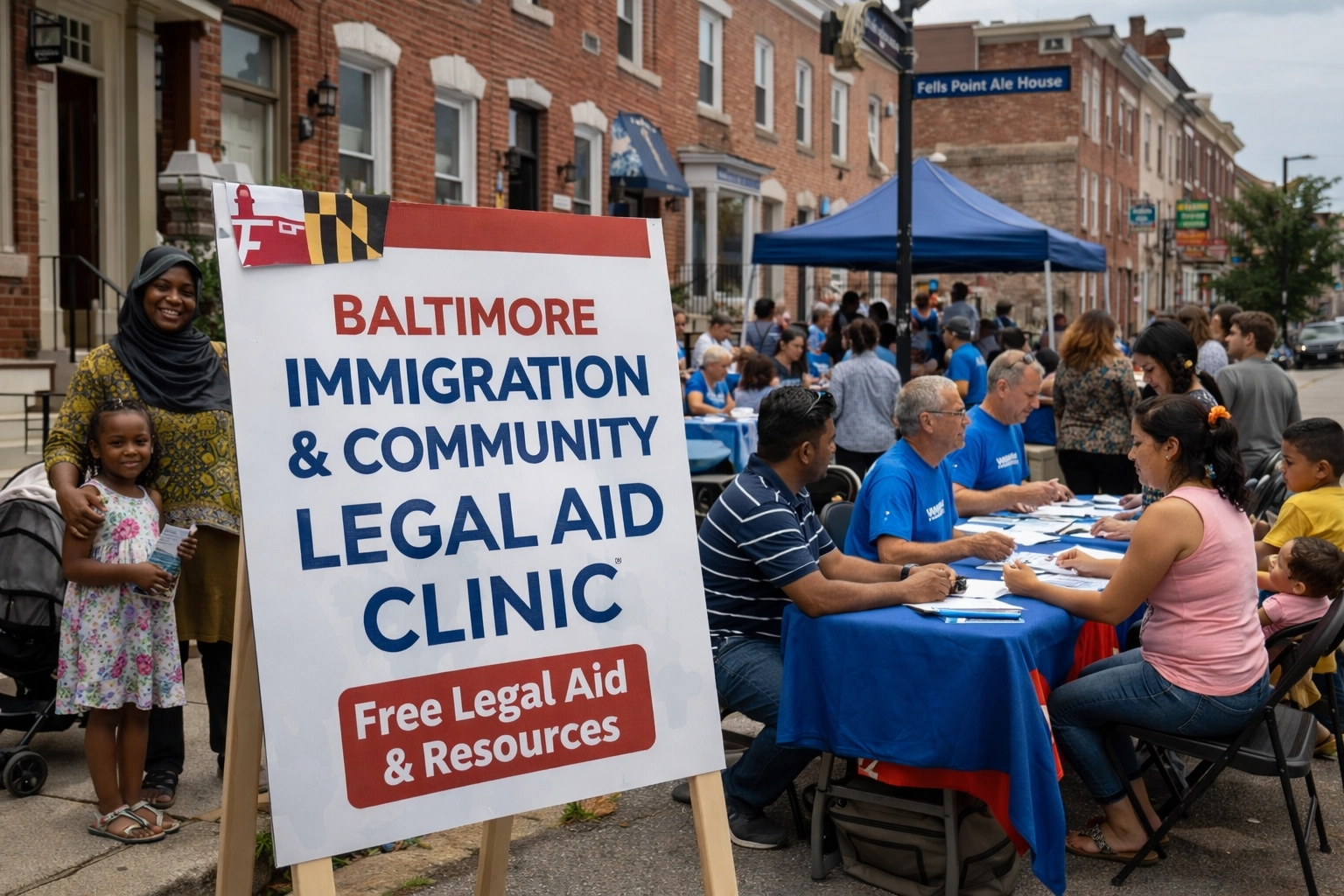
I'm not going to tell you what to think about immigration policy. That's for you to decide based on your values and priorities. But I will tell you this: whatever position you take, this issue will shape Baltimore's identity as a city. Are we a sanctuary city? Do we cooperate with federal enforcement? How do we balance public safety with community trust?
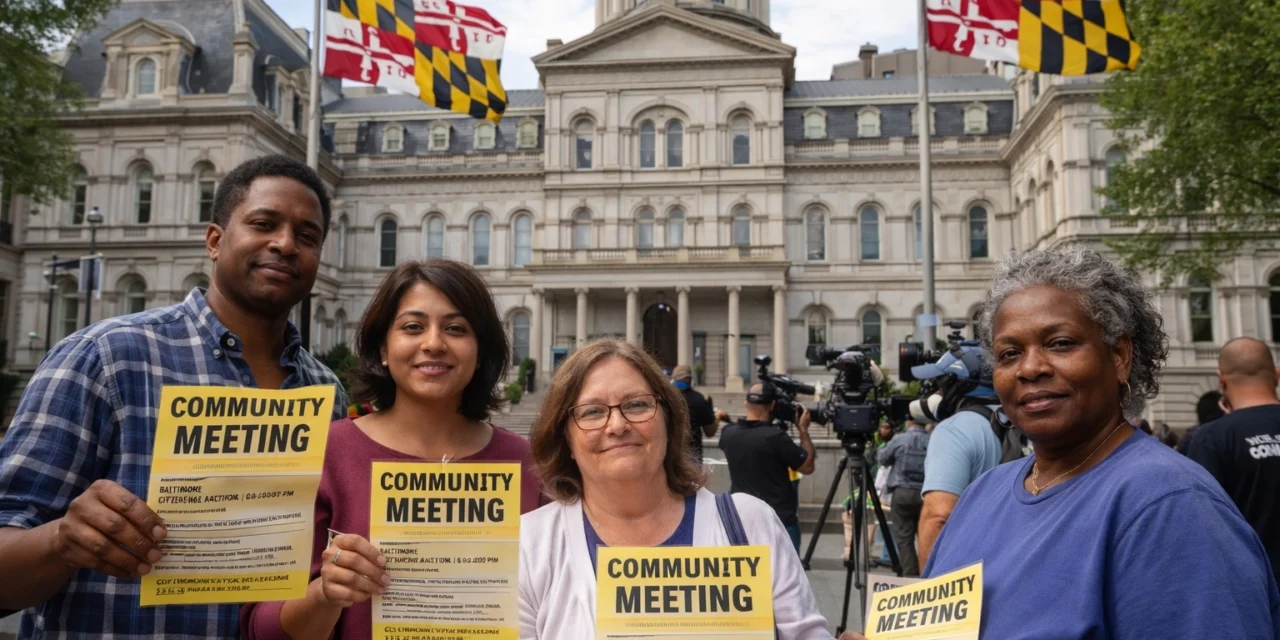
These questions don't have easy answers, but they require informed citizens engaging in the conversation. Go to community meetings, contact your delegates, and make your voice heard. This is democracy in action, folks.
What Happens Next
So there you have it: five issues that will shape Baltimore's future over the next year and beyond. Transportation infrastructure, public safety funding, housing affordability, economic growth, and immigration policy. Each one deserves your attention.
I know it's tempting to tune out politics and just hope things work out. But here's what I've learned: the people who show up and stay engaged are the ones who actually influence outcomes. The people who don't pay attention just have to live with whatever gets decided for them.
Baltimore is at a crossroads. The decisions being made right now in city council chambers and state legislative sessions will determine what kind of city we're living in five years from now. Will we have better transportation? Safer neighborhoods? Affordable housing? A growing economy? Inclusive immigration policies?
The answer depends partly on our leaders, but it also depends on us holding them accountable.
Stay informed. Stay engaged. And let's build the Baltimore we all deserve.
References:
City of Baltimore. (2025). Mayor's proposed FY2026 budget priorities. Baltimore, MD: Office of the Mayor.
Greater Baltimore Committee. (2025). Regional transportation infrastructure update. Baltimore, MD.
Maryland Department of Budget and Management. (2025). FY2026 budget outlook and deficit projection. Annapolis, MD.
Maryland General Assembly. (2026). Legislative session priorities: Immigration enforcement cooperation. Annapolis, MD.
Maryland Governor's Office. (2025). Governor Moore's public safety funding proposal. Annapolis, MD.
Regional Economic Studies Institute. (2025). Baltimore regional economic indicators report. Baltimore, MD: University of Baltimore.