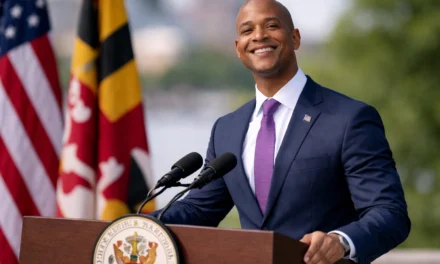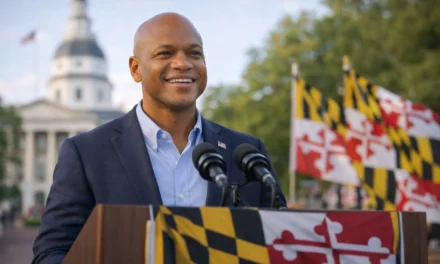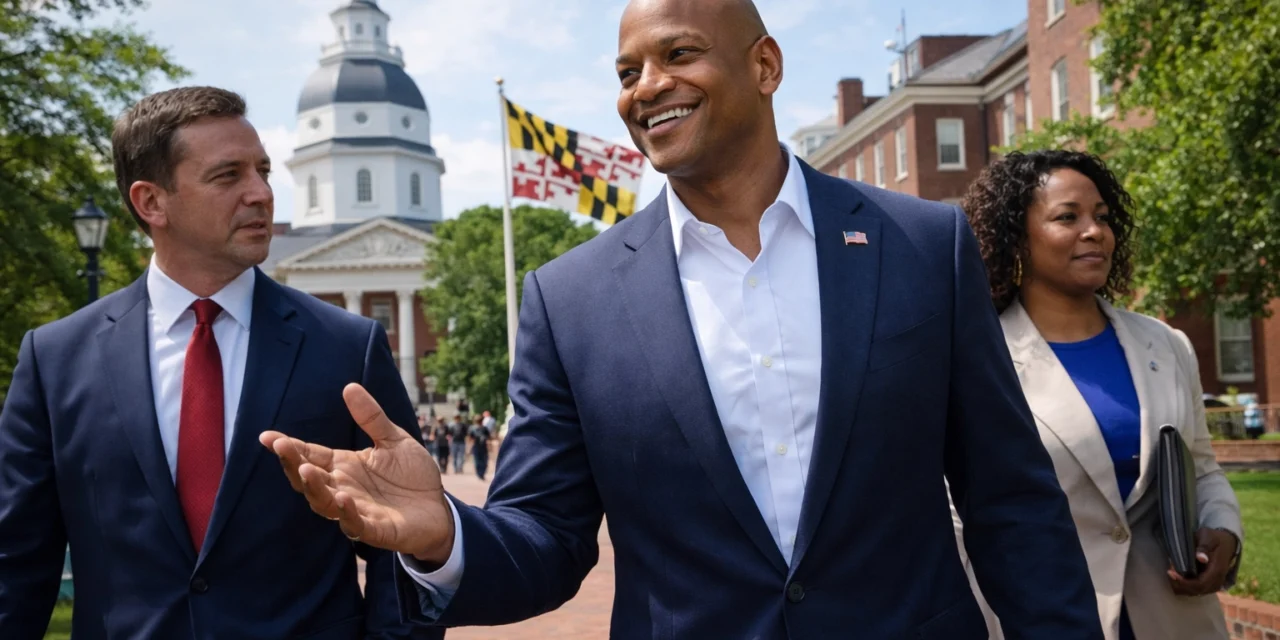
I've been watching Maryland politics closely over the past few years, and I have to say, Governor Wes Moore's first term has been nothing short of remarkable. Since taking office on January 18, 2023, as Maryland's first Black governor and only the third Black governor elected in U.S. history, Moore has brought a fresh perspective to Annapolis that's reshaping how we think about governance in our state (National Governors Association, 2023).
As someone who's lived in Maryland and followed local politics for years, I've seen administrations come and go. But what's happening under Moore's leadership feels different. There's an energy, a focus on solving real problems that affect everyday Marylanders. Let me walk you through what's been happening and why it matters for all of us.
Transforming Maryland's Classrooms
If you have kids in Maryland's public schools, you've probably noticed some significant changes. Moore's administration has made education reform a cornerstone of their agenda, and the results are starting to show.

For fiscal year 2026, Maryland's budget includes a 6% increase in K-12 education funding. That's real money going into our children's classrooms. But what really caught my attention was the mandate requiring a base salary of $60,000 per year for teachers starting in 2026. This isn't just about numbers on a budget sheet. This is about respecting the professionals who shape our children's futures (Maryland Governor's Office, 2025).
The impact has been immediate and measurable. Teaching position vacancies dropped by 25% following this announcement. When you pay teachers what they're worth, you attract and retain quality educators. It's a simple concept that previous administrations struggled to implement, but Moore's team made it happen.
The administration has also expanded youth apprenticeship programs, creating pathways for students who might not be heading straight to a four-year college. These programs connect young people with real-world skills and career opportunities, bridging the gap between classroom learning and workforce readiness.
Managing Maryland's Economy Through Turbulent Times
Economic management might not sound exciting, but it's the foundation of everything else a governor can accomplish. Moore inherited some significant challenges, including what was one of the highest unemployment rates in the country. His administration turned that around, reducing unemployment to one of the lowest rates nationally (Office of the Governor, 2024).
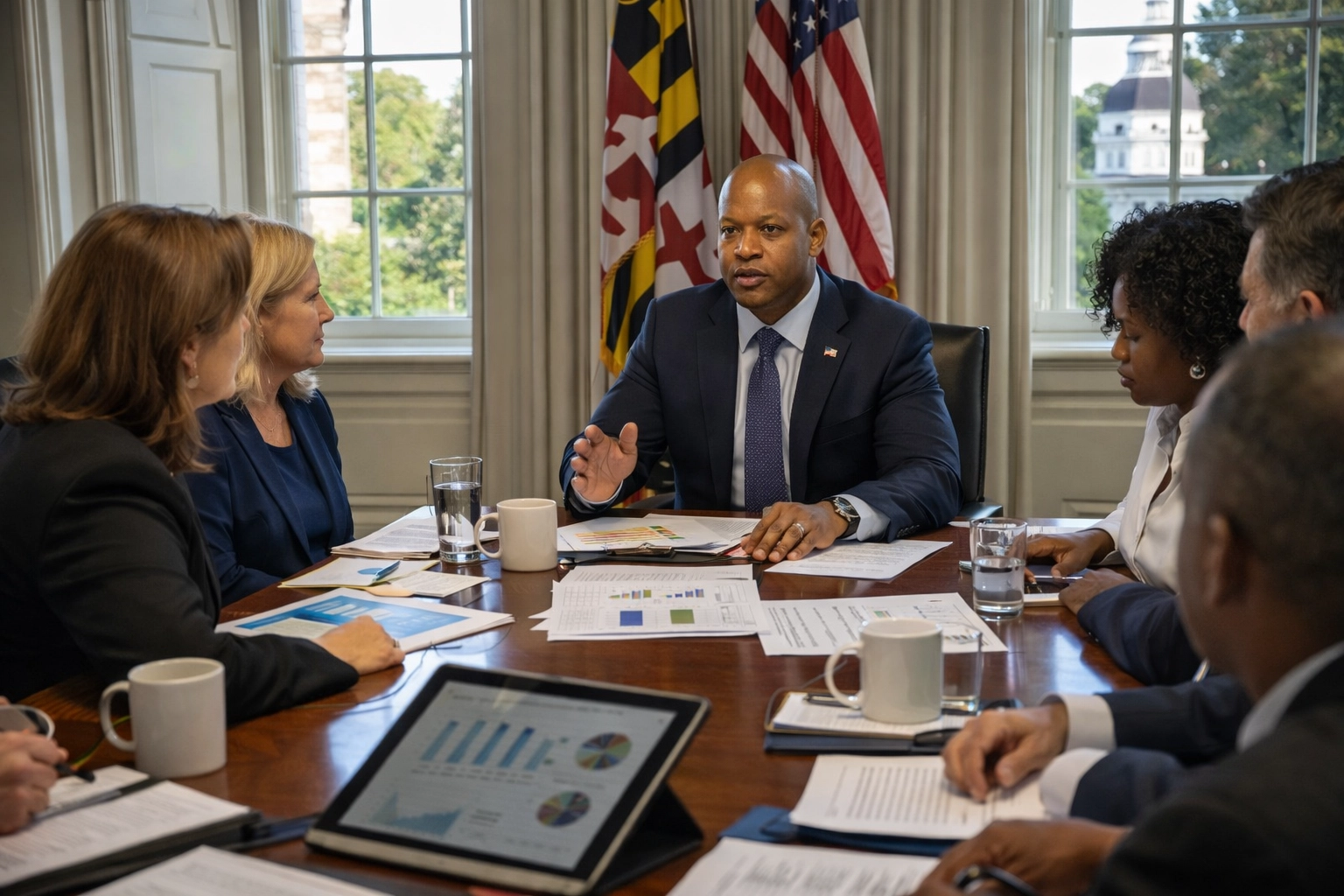
Even more impressive, Moore's team transformed a structural budget deficit into a surplus. That's the kind of financial management that allows a state to invest in education, infrastructure, and social programs instead of constantly playing catch-up.
But let's be honest about the challenges too. During the 2025 legislative session, Moore and the Maryland General Assembly had to navigate a $3.3 billion budget deficit. The solution wasn't easy. It involved cutting $2.5 billion in state spending and raising more than $1 billion in new taxes (Maryland General Assembly, 2025).
These decisions weren't popular with everyone, and I understand the frustration. Nobody likes tax increases. But the alternative would have meant devastating cuts to essential services. Moore chose a balanced approach that spread the burden while protecting critical programs.
Fighting Child Poverty in America's Wealthiest State
Here's a paradox that should trouble every Marylander: we have the highest median income in the country, yet one in eight children live in poverty. How does that happen? It's a question Moore's administration has been wrestling with head-on.
The governor created a 2024 State Plan with Performance Cabinets specifically focused on ending child poverty and supporting the middle class. Maryland has implemented first-in-the-nation efforts to combat child poverty, though the work is far from finished (State of Maryland, 2024).
This focus on child poverty isn't just compassionate policy. It's smart economics. Children who grow up in poverty face enormous barriers to success, perpetuating cycles that hold back entire communities. By investing in children now, Maryland is investing in a stronger, more prosperous future for everyone.
Taking Climate Change Seriously
On June 4, 2024, Moore signed an executive order to combat climate change that created Maryland's first Climate Subcabinet. This isn't symbolic politics. The administration allocated $180 million in fiscal year 2026 to implement the Climate Pollution Reduction Plan, with particular focus on protecting the Chesapeake Bay (Maryland Department of the Environment, 2024).
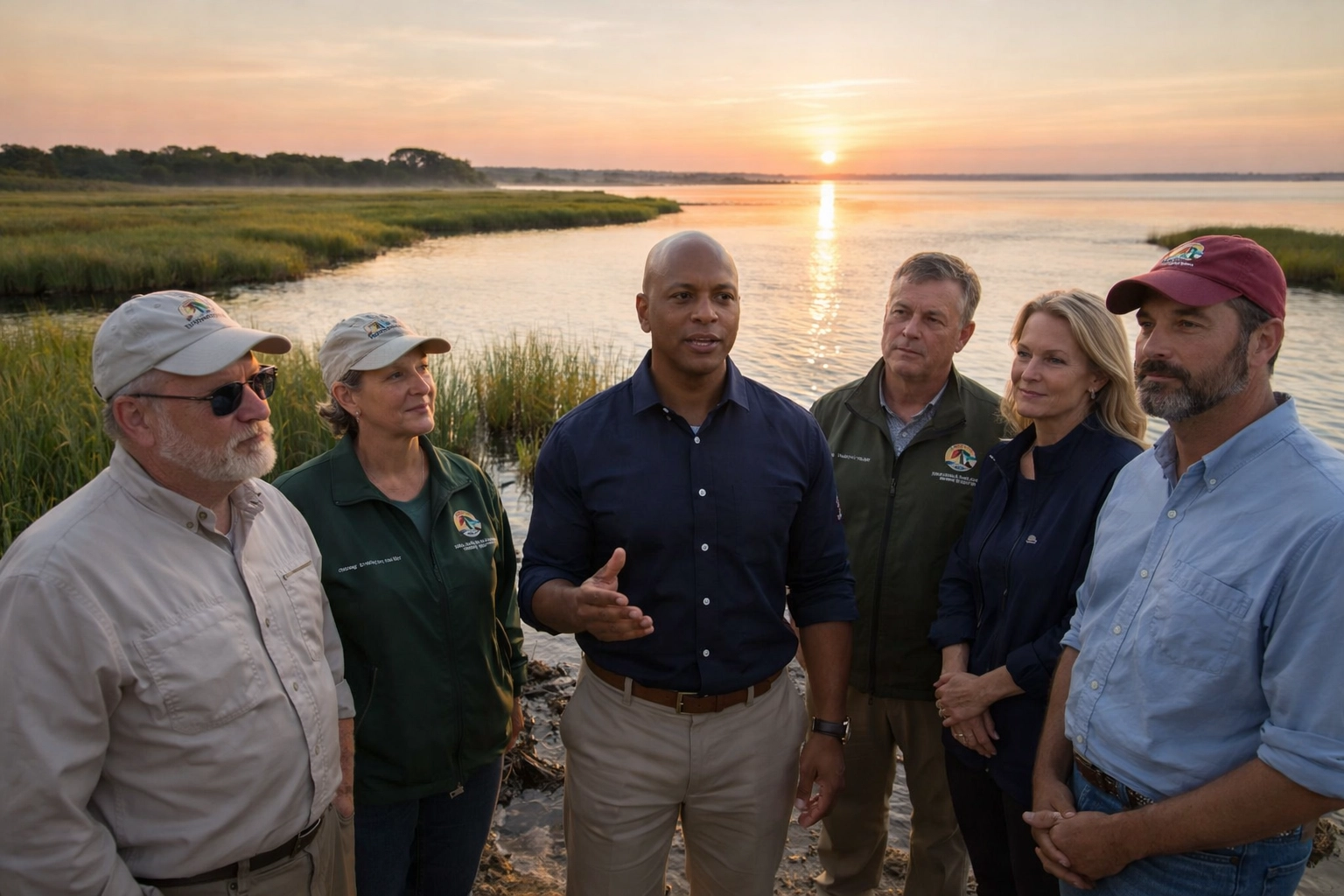
As someone who enjoys Maryland's natural beauty, from the Bay to our state parks, I appreciate a governor who recognizes that environmental protection and economic growth aren't mutually exclusive. The Chesapeake Bay isn't just a scenic backdrop. It's central to Maryland's identity, economy, and quality of life.
The Climate Subcabinet brings together different state agencies to coordinate environmental policy, ensuring that climate considerations are integrated into decision-making across government functions. This kind of structural reform might not make headlines, but it creates lasting change.
Criminal Justice and Economic Opportunity
During the 2025 legislative session, Moore signed several pieces of legislation that reflect a more progressive approach to criminal justice and economic inclusion. The Expungement Reform Act removes barriers for people trying to clear their criminal records, giving them a genuine second chance at employment and housing (Maryland General Assembly, 2025).
The Model Employer Act supports career readiness for individuals with disabilities, while the Procurement Reform Act helps small businesses compete for state contracts. These might seem like separate issues, but they're all part of a broader vision: creating pathways to economic opportunity for Marylanders who've been left behind.
I've seen firsthand how a criminal record can haunt someone long after they've paid their debt to society. Making it easier to expunge records isn't being soft on crime. It's recognizing that permanent exclusion from economic opportunity doesn't make our communities safer.
Earning Bipartisan Respect
In today's polarized political environment, it's rare to see a Democratic governor earn praise from Republican leaders. But Moore managed exactly that during his response to the Francis Scott Key Bridge collapse in 2024 (Maryland Transportation Authority, 2024).
The bridge disaster could have been a political flashpoint, but Moore's leadership brought people together. He coordinated federal, state, and local resources efficiently, communicated transparently with the public, and kept the focus on solving the problem rather than scoring political points.
That kind of leadership matters. It shows that effective governance transcends partisan divisions when leaders prioritize their constituents over political advantage.
Looking Ahead to 2026 and Beyond
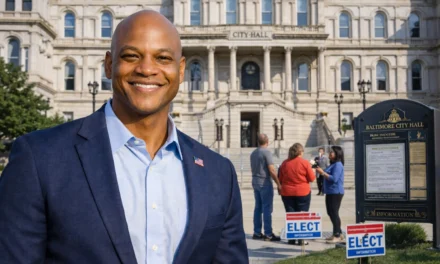
On September 9, 2025, Moore announced his reelection campaign for a second term. Based on his first-term record, he's positioned himself as a pragmatic progressive who can deliver results while building coalitions across ideological lines (Moore for Maryland, 2025).
The challenges facing Maryland haven't disappeared. Budget pressures continue, child poverty remains stubbornly high despite new initiatives, and climate change will require sustained commitment far beyond any single term. But Moore's first term has established a foundation for continued progress.
As Maryland voters, we have the opportunity to evaluate this record and decide what direction we want our state to take. Moore's approach has been to tackle difficult problems directly, make tough decisions when necessary, and invest in long-term solutions rather than quick fixes.
Whether you agree with every decision or not, there's no denying that Maryland under Wes Moore is moving forward with purpose and vision. That's something worth paying attention to as we head into the next election cycle and beyond.