Category: Local News
The trajectory of a city is often shaped by the policies enacted at the state level. For Baltimore, a city rich in history yet facing persistent challenges, the legislative agenda set forth by Governor Wes Moore in 2026 represents a significant moment of potential transformation. The initiatives being proposed touch upon the core issues that have long defined the Baltimore experience: housing affordability, economic opportunity, public safety, and educational excellence.
Understanding these policies is not merely an exercise in civic awareness. It is an opportunity to envision what Baltimore could become when strategic investment meets thoughtful governance. As the Maryland General Assembly considers these proposals, residents across the DMV area should pay close attention to how these changes might reshape the landscape of opportunity in the region.
A Bold Vision for Housing and Transit Integration
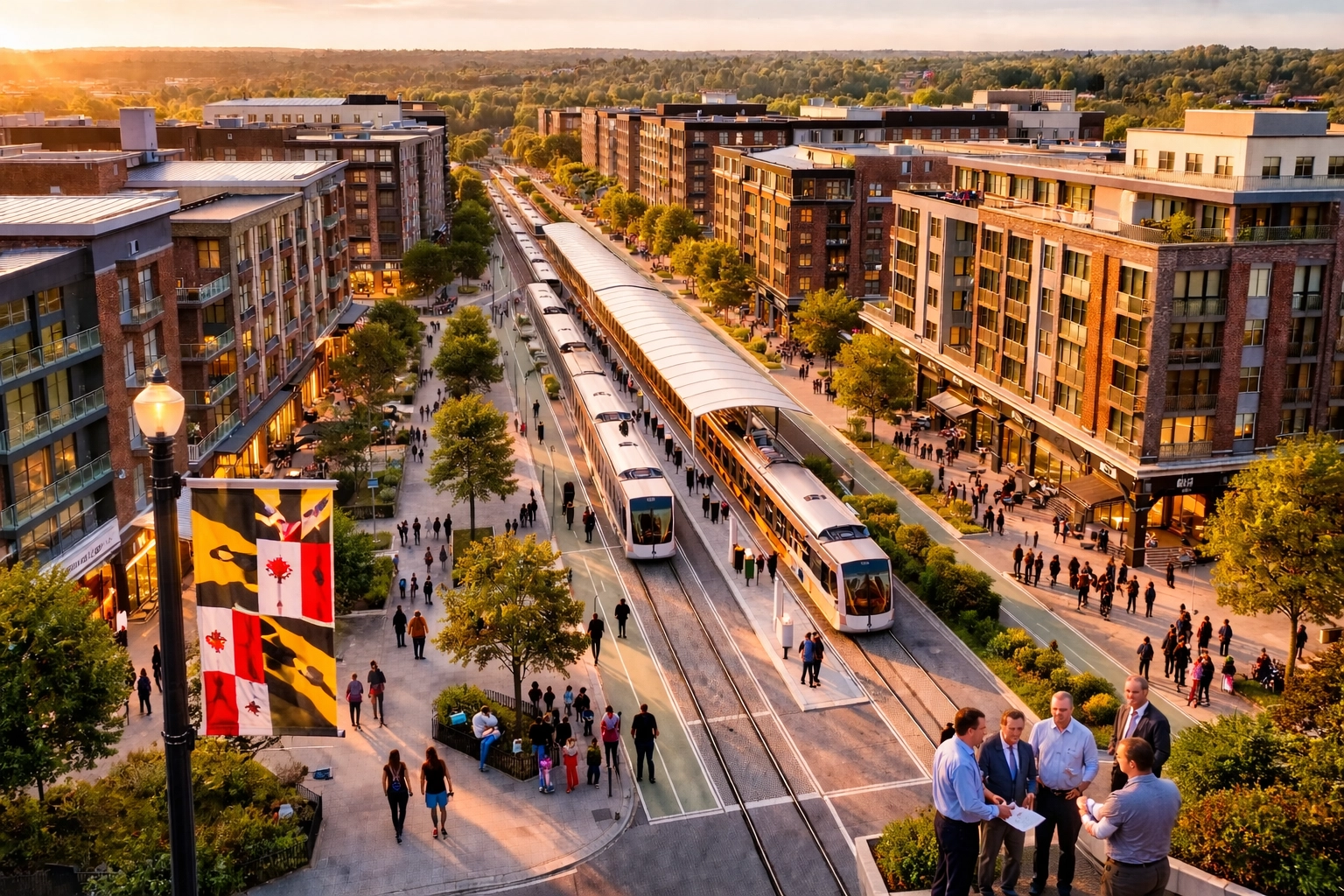
One of the most significant components of Governor Moore's 2026 legislative agenda is the Maryland Transit and Housing Opportunity Act of 2026. This initiative targets over 300 acres of state-owned land surrounding current transit stations, with the goal of creating approximately 7,000 new housing units and generating an estimated $1.4 billion in tax revenue (Office of the Governor, 2026).
For Baltimore, this policy carries particular weight. The city's established Metro infrastructure positions it to benefit substantially from transit-oriented development. The concept is straightforward yet powerful: by concentrating housing development near existing transit corridors, the state can address housing scarcity while simultaneously reducing transportation costs for residents and encouraging sustainable urban growth.
Complementing this effort are two additional housing measures. The Starter and Silver Homes Act of 2026 incentivizes the construction of smaller, more affordable homes: a critical intervention in a market where entry-level housing has become increasingly scarce. Meanwhile, the Housing Certainty Act of 2026 aims to reduce the regulatory delays and impact fees that contribute to elevated housing costs (Office of the Governor, 2026).
These three initiatives, taken together, represent a comprehensive approach to the housing affordability crisis. Rather than addressing symptoms in isolation, the Moore administration appears to be tackling the systemic barriers that have prevented adequate housing supply from meeting demand. For Baltimore residents who have watched housing costs climb while wages remained stagnant, this coordinated strategy offers a pathway toward stability.
Economic Competitiveness and the DECADE Act
Economic development remains a cornerstone of any meaningful effort to improve quality of life in urban centers. Governor Moore's DECADE Act of 2026: an acronym for Delivering Economic Competitiveness and Advancing Development Efforts: positions Maryland to compete in what the administration terms "lighthouse industries," including technology and aerospace (Office of the Governor, 2026).
The legislation includes several key provisions designed to stimulate growth across the state:
- Extension of the Build Our Future Grant Program through 2030
- Revitalization of the RISE Zone program for community development and startup enterprises
- Elimination of the cap on Film Production Activity Tax Credits
These measures signal an understanding that economic competitiveness requires sustained investment and regulatory flexibility. For Baltimore, a city that has worked diligently to establish itself as a hub for innovation and entrepreneurship, the DECADE Act could accelerate existing momentum.

Major projects such as Sphere at National Harbor and AstraZeneca expansions are expected to generate thousands of jobs across the region (Office of the Governor, 2026). While not all of these opportunities will be concentrated in Baltimore proper, the ripple effects of such investments extend throughout the metropolitan economy. When anchor industries thrive, supporting businesses and service sectors benefit accordingly.
The technology sector, in particular, represents a significant opportunity for Maryland's future. By removing barriers to growth and providing targeted incentives, the state positions itself to attract the talent and capital necessary for long-term prosperity.
Public Safety: Record Investment Amid Historic Progress
Public safety has long been a defining concern for Baltimore residents. The statistics have been sobering, and the human toll of violence immeasurable. It is therefore significant that Governor Moore's 2026 budget allocates a record $124.1 million for law enforcement through the State Aid for Police Protection Program (Office of the Governor, 2026).
This investment arrives at what the administration describes as a moment of "historic drops in violent crime" across Maryland (Office of the Governor, 2026). The correlation between increased funding and improved outcomes is not automatic, but the commitment of resources demonstrates a recognition that public safety requires sustained attention and adequate support.
Beyond traditional law enforcement, the budget includes $10.6 million to expand community-based programs for justice-involved youth (Office of the Governor, 2026). This allocation reflects an understanding that crime prevention extends beyond policing to encompass intervention, rehabilitation, and opportunity. For young people in Baltimore who might otherwise find themselves on a trajectory toward incarceration, these programs represent a potential turning point.
Additionally, $30 million has been designated to support aging correctional facilities (Office of the Governor, 2026). While less visible than other investments, infrastructure maintenance within the criminal justice system is essential to humane and effective operation.
Education: A Historic Commitment to K-12 Schools
The future of any city is inseparable from the quality of education available to its children. Governor Moore's budget includes a historic $10.2 billion for K-12 schools across Maryland (Office of the Governor, 2026). This represents the largest education investment in state history and signals a recognition that educational excellence requires substantial and sustained funding.

For Baltimore, where teacher shortages and resource constraints have challenged the public school system, this infusion of funding carries particular significance. Adequate resources enable smaller class sizes, competitive teacher salaries, updated facilities, and expanded programming: all factors that contribute to student success.
Education is often described as the great equalizer, and while that characterization may be aspirational rather than descriptive, the principle holds truth. When children have access to quality instruction and supportive learning environments, the barriers imposed by circumstance become more surmountable. The state's commitment to education funding represents an investment in Baltimore's future workforce, leadership, and civic participation.
Navigating Budget Constraints: Doing More with Less
It would be incomplete to discuss Governor Moore's ambitious agenda without acknowledging the fiscal context in which it unfolds. The state faces a $1.4 billion budget shortfall, attributed by the administration to federal workforce cuts stemming from decisions made by the Trump administration (Office of the Governor, 2026).
Despite this constraint, Governor Moore has committed to avoiding new taxes, stating that the state must "do more with less" (Office of the Governor, 2026). This approach requires difficult prioritization and efficiency improvements across state government. The investments outlined in housing, economic development, public safety, and education must therefore be understood as strategic choices made within a fiscally constrained environment.
For Baltimore residents, this reality underscores the importance of civic engagement. When resources are limited, the voices that advocate most effectively often determine where investments flow. Understanding the budget landscape enables informed participation in the ongoing conversation about priorities.
Personal Commentary: Cautious Optimism for Baltimore's Future
Having followed Maryland's progress on multiple fronts, I find Governor Moore's 2026 agenda to be a thoughtful response to the challenges facing Baltimore and the broader region. The integration of housing and transit policy reflects sophisticated urban planning principles. The economic development initiatives recognize that competitiveness requires proactive investment. The public safety and education commitments address foundational concerns that affect quality of life.
Climbing a mountain requires both vision of the summit and attention to each step along the path. Governor Moore's legislative agenda provides the vision; implementation will determine whether that vision becomes reality.
In Conclusion
Governor Wes Moore's 2026 legislative priorities represent a comprehensive approach to the challenges facing Baltimore and Maryland. From transit-oriented housing development to economic competitiveness initiatives, from record public safety investments to historic education funding, these policies offer a framework for meaningful progress. While budget constraints impose limits on what can be accomplished, the strategic direction established by this agenda positions Baltimore for continued growth and improvement. Residents who remain engaged with these developments will be best positioned to advocate for their communities and participate in shaping the city's future.
What are your thoughts on Governor Moore's 2026 agenda? I'd love to hear from fellow DMV residents. Drop me a line on the contact page.