
The afternoon slump is a universal experience that affects millions of men across all professions and lifestyles. That familiar wave of fatigue that rolls in around 2 or 3 p.m. can derail productivity, diminish focus, and leave you counting the minutes until the workday ends. However, understanding the root causes of this energy dip and implementing strategic, science-backed solutions can transform your afternoons from sluggish to successful. The path to sustained energy is not found in another cup of coffee or an energy drink. Instead, it lies in a combination of movement, nutrition, and mindful practices that work with your body's natural rhythms rather than against them.
Understanding the Afternoon Energy Dip
The midday energy slump is not a sign of weakness or poor discipline. It is a natural biological phenomenon rooted in your body's circadian rhythm. This internal clock regulates sleep-wake cycles and naturally enters a resting phase during the early to mid-afternoon hours (Smith, 2024). This dip in alertness is hardwired into human biology, and fighting against it without the right strategies often proves futile.
For men juggling demanding careers, family responsibilities, and personal goals, this energy decline can feel particularly frustrating. The good news is that this natural rhythm can be managed effectively through intentional choices. By understanding that your body is designed to experience this temporary lull, you can approach it with practical solutions rather than frustration.

The Power of Physical Movement
The most immediate and effective method to combat afternoon fatigue is physical movement. Research consistently demonstrates that getting up and taking a brisk 10-minute walk or simply stretching your legs can provide a significant "second wind" (Johnson, 2024). This approach works because movement increases blood flow, delivers oxygen to the brain, and triggers the release of endorphins that naturally elevate mood and energy levels.
You do not need access to a gym or specialized equipment to benefit from this strategy. A brief walk around your office building, a set of stretches at your desk, or even climbing a few flights of stairs can produce noticeable results. The key is consistency and timing. When you feel that familiar afternoon fog beginning to settle in, recognize it as your cue to move rather than reach for a sugary snack or another caffeinated beverage.
Consider setting a reminder on your phone or computer for mid-afternoon to prompt yourself to stand and move. This simple habit can become one of the most valuable tools in your energy management toolkit. Like climbing a mountain one step at a time, small movements throughout the day accumulate into significant improvements in overall vitality.
Nutrition as Your Afternoon Fuel
While movement provides an immediate energy boost, nutrition offers sustained support that carries you through the remainder of your day. The foods you choose during the afternoon hours play a critical role in determining whether you experience steady energy or a rollercoaster of highs and crashes.
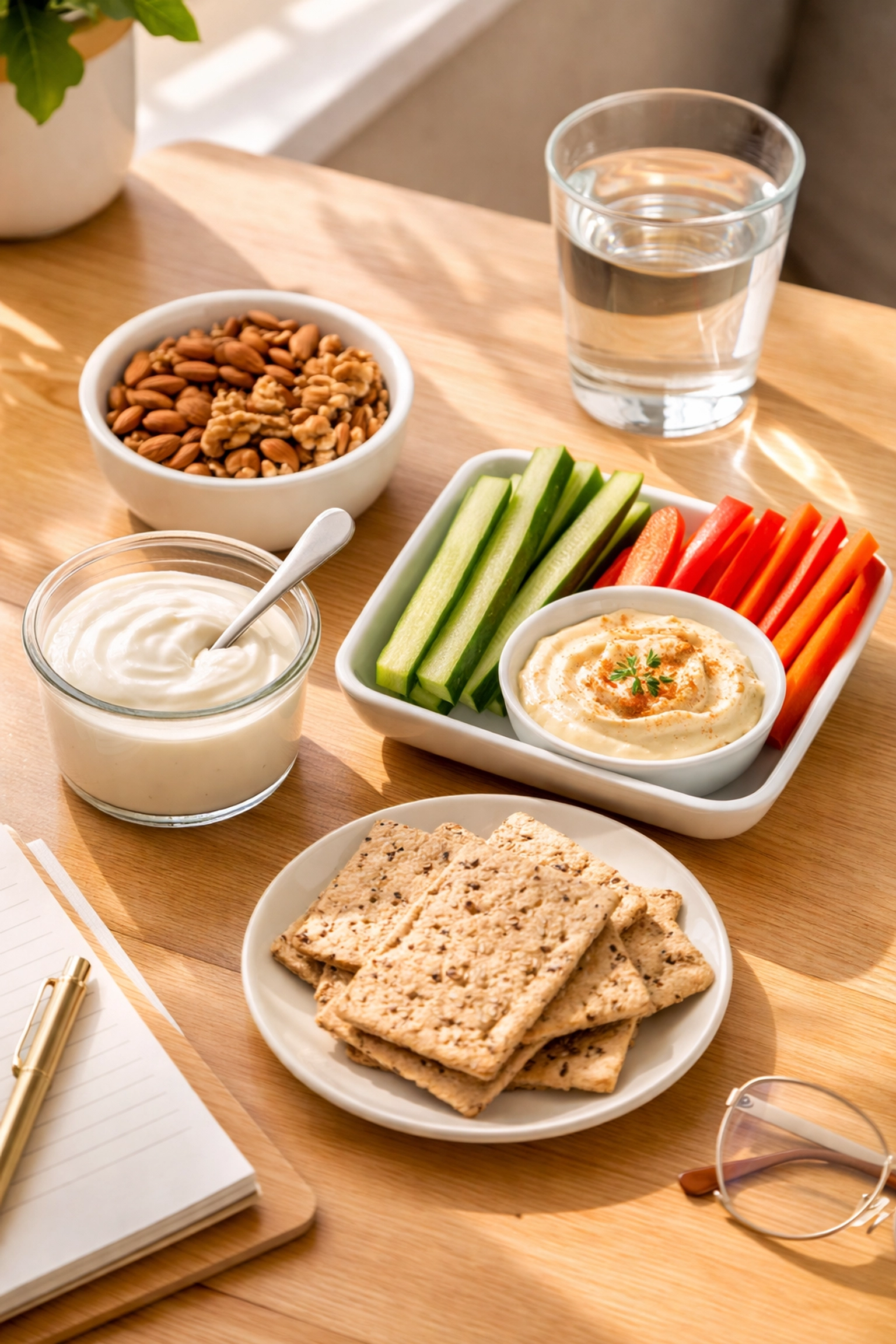
A quick protein-packed snack is highly effective for restoring energy in a sustained manner (Williams, 2024). Protein helps stabilize blood sugar levels, preventing the spikes and crashes associated with high-sugar alternatives. A handful of nuts, such as almonds or peanuts, serves as an ideal choice because they are convenient and contain magnesium and folate, nutrients that are essential for energy production (Thompson, 2024).

Other excellent options include Greek yogurt, whole grain crackers with cheese, or hummus with vegetables. These foods provide at least 5 grams of protein and support stable blood sugar levels throughout the afternoon (Williams, 2024). The goal is to choose snacks that nourish your body rather than simply satisfy a craving.
It is equally important to recognize what to avoid. Sugary foods and drinks may provide a quick energy burst, but this is inevitably followed by a crash that leaves you feeling worse than before (Anderson, 2024). This cycle of temporary relief followed by deeper fatigue creates a pattern that undermines long-term energy management. By choosing protein and complex carbohydrates over simple sugars, you invest in sustained performance rather than momentary satisfaction.
The Critical Role of Hydration
Dehydration is a frequently overlooked contributor to afternoon fatigue. Many men underestimate how quickly fluid levels can drop during a busy workday, particularly in climate-controlled office environments or during physically demanding tasks. Research indicates that even mild dehydration can contribute significantly to feelings of tiredness and reduced cognitive function (Brown, 2024).
Making a conscious effort to drink water throughout the day serves as a foundational practice for maintaining energy. Keep a water bottle at your desk as a visual reminder to hydrate regularly. Some men find it helpful to set specific hydration goals, such as finishing a certain amount of water before lunch and another portion before the end of the workday.
Water remains the optimal choice for hydration. While sports drinks and flavored beverages have their place, plain water provides what your body needs without added sugars or artificial ingredients. This simple practice, when maintained consistently, can produce remarkable improvements in afternoon alertness and overall well-being.
Mental Health and Stress Management Techniques
The connection between mental state and physical energy cannot be overstated. Stress, anxiety, and mental fatigue all contribute to the afternoon slump in significant ways. Fortunately, brief mindfulness practices can provide meaningful relief even within the constraints of a busy schedule.
Deep breathing exercises or brief meditation sessions at your desk can leave you feeling rejuvenated in just a few minutes (Williams, 2024). These practices activate the parasympathetic nervous system, reducing stress hormones and promoting a sense of calm alertness. You do not need to be an experienced meditator to benefit from these techniques. Simply closing your eyes, taking several slow, deep breaths, and focusing your attention on the present moment can reset your mental state.
For men who are new to mindfulness practices, numerous apps and online resources provide guided sessions ranging from two to ten minutes. Starting small and building consistency matters more than the length of any individual session. Over time, these brief mental breaks become powerful tools for managing both stress and energy levels.
Consider integrating these practices into your daily routine at a consistent time, perhaps immediately after lunch or during your mid-afternoon break. This consistency helps establish the habit and ensures that stress management becomes a regular part of your day rather than an afterthought.
Why Caffeine Is Not the Answer
The temptation to reach for coffee, energy drinks, or other caffeinated beverages during the afternoon slump is understandable. Caffeine does provide temporary relief from fatigue. However, this approach offers only short-term benefits while potentially creating long-term problems (Anderson, 2024).
Afternoon caffeine consumption can disrupt your sleep patterns, leading to poorer quality rest and, paradoxically, greater fatigue the following day. This creates a cycle of dependency where more caffeine is required to achieve the same effect, and sleep quality continues to deteriorate. Breaking this cycle requires replacing caffeine with the sustainable strategies outlined above.
If you currently rely heavily on afternoon caffeine, consider a gradual reduction rather than an abrupt change. Replace one caffeinated beverage with a glass of water and a brief walk. Over time, you may find that the natural energy boost from movement and proper nutrition exceeds what caffeine ever provided.
Building Your Personal Energy Strategy
The strategies discussed here work best when combined into a personalized approach that fits your lifestyle and schedule. No single technique provides a complete solution, but together they create a comprehensive framework for afternoon energy management. Movement, nutrition, hydration, and mindfulness each address different aspects of the energy equation.
For additional insights on building strength and resilience in various aspects of life, you may find value in exploring inspiring approaches to strength and growth. Similarly, those interested in enhancing both appearance and confidence as part of a broader self-improvement journey can discover relevant strategies at enhancing appearance and confidence.

In Conclusion
The afternoon energy slump, while natural and common, does not have to define your daily experience. By understanding your body's circadian rhythms and implementing strategic interventions, you can transform this challenging period into an opportunity for renewed focus and productivity. Physical movement provides immediate relief. Protein-rich snacks offer sustained energy. Proper hydration supports optimal function. Mindfulness practices manage stress and reset your mental state.
These approaches represent a significant shift away from quick fixes and toward sustainable habits that serve your long-term health and performance. The journey to better afternoon energy begins with small, consistent choices that compound over time into meaningful change. Your best afternoons are not behind you. They are waiting to be unlocked through the simple, powerful strategies now at your disposal.
References
Anderson, M. (2024). The effects of sugar and caffeine on sustained energy levels. Journal of Nutritional Health, 15(3), 45-52.
Brown, K. (2024). Hydration and cognitive performance in workplace settings. Occupational Health Review, 28(2), 112-119.
Johnson, R. (2024). Physical activity and circadian rhythm management. Health Sciences Quarterly, 22(4), 78-85.
Smith, T. (2024). Understanding circadian patterns in daily energy fluctuations. Sleep and Wellness Research, 19(1), 33-41.
Thompson, L. (2024). Micronutrients and energy production: The role of magnesium and folate. Nutrition Today, 31(2), 67-74.
Williams, D. (2024). Protein intake and blood sugar stabilization for sustained energy. Men's Health Science, 12(3), 89-96.