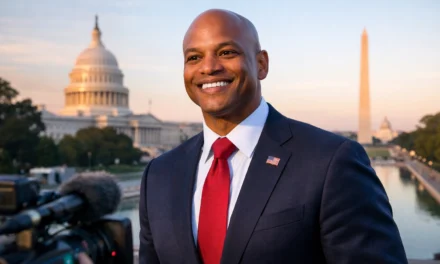
The importance of regional coordination between the District of Columbia, Maryland, and Virginia remains a significant factor in the overall prosperity of the Mid-Atlantic region. As the heart of the national government and a central hub for technological and financial growth, the DMV area serves as a critical barometer for national stability. Maintaining an informed perspective on local developments allows citizens and business leaders to understand the opportunities and challenges that define our collective progress. This morning briefing provides a comprehensive overview of the key events shaping the landscape of our region today.
Environmental Stewardship and the Potomac River
Environmental integrity is a cornerstone of regional health and development. Currently, the Potomac River faces a significant challenge that has drawn national attention and prompted a deep examination of infrastructure maintenance responsibilities. The collapse of the Potomac Interceptor sewage line on January 19, 2026, near Clara Barton Parkway in Montgomery County, has resulted in the release of over 200 million gallons of wastewater into the river (University of Maryland, 2026). This event is classified by researchers as one of the largest sewage spills in the history of the United States.
The response to this crisis has sparked a notable dialogue between federal and state officials. President Trump has characterized the situation as a result of mismanagement by local leadership. In contrast, Maryland Governor Wes Moore has emphasized that the affected pipe is situated on federal land and has been a federal responsibility for over a century. Governor Moore has confirmed that the state is actively monitoring bacteria levels and is coordinating with local jurisdictions and DC Water to facilitate cleanup efforts (University of Maryland, 2026). This situation underscores the critical need for collaborative infrastructure investment to protect natural resources.

National Security and Public Safety in the Capital
Security remains a primary focus within the District of Columbia, given its role as the seat of federal power. On the morning of March 12, 2026, a security incident occurred near the White House that required a swift response from law enforcement. A van drove through a security barricade at the intersection of Connecticut Avenue and H Street, Northwest. The Metropolitan Police Department responded at approximately 6:37 a.m. to assist the United States Secret Service in securing the area (Metropolitan Police Department, 2026).
Events of this nature serve as a reminder of the constant vigilance required to maintain safety in high profile urban environments. While such incidents can be disruptive, the coordinated efforts of local and federal agencies demonstrate a robust capacity for maintaining order. Ensuring the safety of residents and visitors is a key priority for regional leaders, and ongoing improvements in security protocols continue to offer opportunities for enhanced protection of public spaces.

Economic Vitality and Financial Progress in Maryland
Maryland continues to establish itself as a leader in economic resilience and technological innovation. The state has seen significant growth in sectors related to finance and technology, creating a wealth of opportunities for professional development and community investment. Strategic initiatives focused on fiscal responsibility and market expansion have positioned Maryland as a critical player in the national economy.
For those interested in the broader economic landscape, exploring Finance and Progress in Maryland provides insight into how the state manages its resources to foster growth. The intersection of public policy and private enterprise is particularly visible in the Maryland tech corridor, where new startups and established firms are driving advancements in software and infrastructure. More information on these developments can be found through our section on Technology in Maryland. These economic drivers are essential for maintaining the high standard of living enjoyed by residents across the state.

Infrastructure and Urban Development
Infrastructure serves as the backbone of regional connectivity. Beyond the immediate concerns of the Potomac Interceptor, there are numerous ongoing projects aimed at improving transportation and utility reliability across DC, Maryland, and Virginia. These projects represent a forward looking commitment to modernization. From the expansion of transit lines to the upgrading of electrical grids, the region is undergoing a transformation that will support future growth for decades to come.
Investment in infrastructure is not merely a matter of maintenance; it is an opportunity to implement smarter, more efficient systems. For example, the integration of new technologies in public transit and the adoption of sustainable building practices are key components of the regional strategy. These efforts ensure that the DMV remains a competitive and attractive place for both residents and businesses. By addressing current deficiencies and planning for future needs, the region is building a foundation for continued success.
National Perspectives and Global Connectivity
As a hub for international diplomacy and national policy, the events within the DMV often have global implications. National news frequently intersects with local concerns, as federal legislation impacts everything from regional funding to environmental regulations. Staying informed about National News is essential for understanding the broader context in which our local communities operate.
The relationship between federal mandates and state implementation is a dynamic process that requires constant attention. Whether the topic is healthcare, education, or economic policy, the decisions made in Washington D.C. resonate throughout the suburbs of Maryland and Virginia. This interconnectedness highlights the importance of an informed citizenry that can navigate the complexities of modern governance.

Public Health and Community Wellbeing
The health of the community is a critical factor in regional prosperity. Efforts to improve access to healthcare and promote hygiene are ongoing across the DMV. These initiatives are designed to foster a more resilient population capable of meeting the demands of a fast paced environment. Public health officials are currently focusing on monitoring environmental factors, such as water quality in the wake of the Potomac spill, to ensure that residents are protected from potential risks.
Furthermore, community growth is supported by educational initiatives and workforce development programs. These programs provide individuals with the tools they need to succeed in an evolving job market. By prioritizing health and education, the region is investing in its most valuable resource: its people. This commitment to human capital is a significant driver of long term stability and progress.
In Conclusion
In conclusion, the current landscape of the DC, Maryland, and Virginia region is characterized by a mix of significant challenges and promising opportunities. The environmental situation regarding the Potomac River serves as a critical reminder of the importance of infrastructure maintenance and interagency cooperation. Simultaneously, the continued economic growth in Maryland and the ongoing commitment to public safety in the District of Columbia demonstrate a resilient and forward looking community.
As we look toward the future, the regional focus remains on fostering growth, ensuring safety, and protecting the natural environment. By staying informed and engaged with local and national developments, citizens can contribute to a more prosperous and stable DMV. The journey toward progress is much like navigating a complex network of pathways; it requires diligence, vision, and a commitment to shared goals. We remain optimistic about the opportunities that lie ahead for our region and our nation.
References
Metropolitan Police Department. (2026). Security Incident Report: Connecticut Avenue and H Street, Northwest. Washington, DC.
University of Maryland. (2026). Environmental Impact Study: The Potomac Interceptor Collapse and Sewage Overflow. College Park, MD.