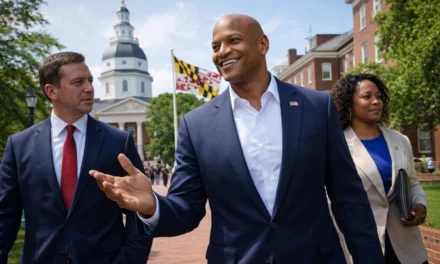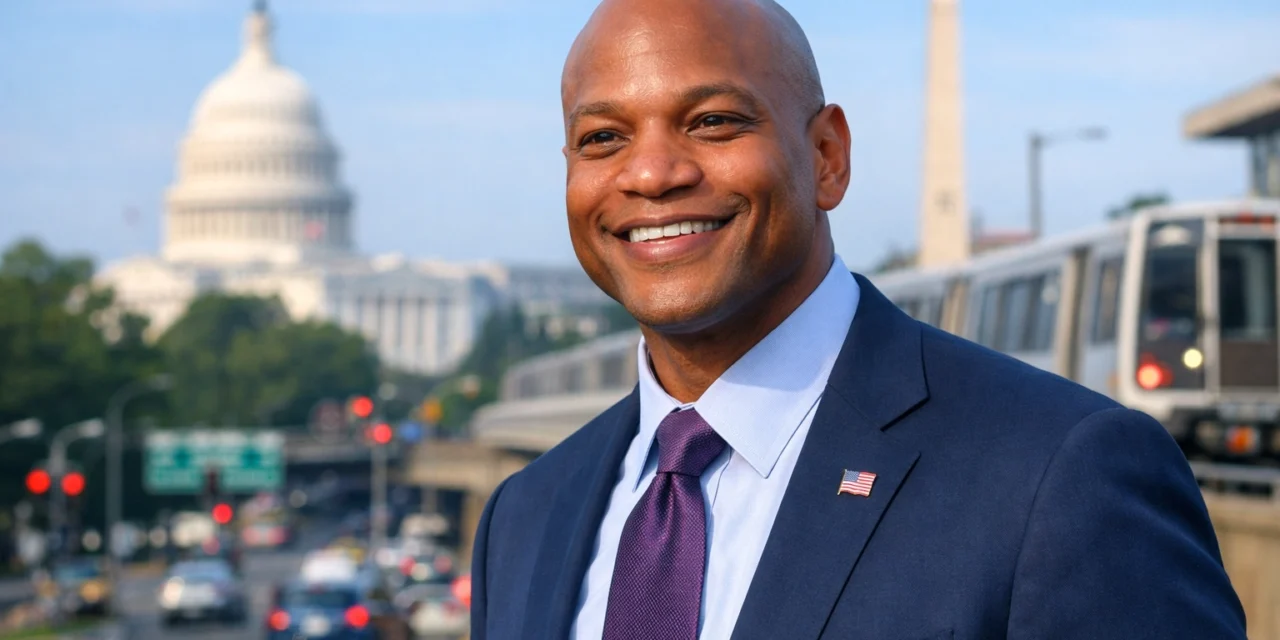
The DMV region continues to demonstrate its significance as a hub of economic activity, governmental operations, and community development. This Monday morning brings a collection of stories that reflect the dynamic nature of Maryland, Virginia, and the District of Columbia. These headlines represent critical developments affecting residents across the tri-state area and beyond.
Maryland Transportation Infrastructure Receives Federal Funding
Maryland's transportation network stands to benefit from a significant allocation of federal infrastructure dollars announced over the weekend. The funding package targets critical improvements to aging roadways and public transit systems throughout the state. Transportation officials have indicated that priority projects include bridge rehabilitation in Prince George's County and expanded MARC train service along key commuter corridors.

This investment represents an opportunity for Maryland to modernize its transportation infrastructure while addressing long-standing capacity challenges. The allocation aligns with broader regional efforts to improve connectivity between residential areas and employment centers. State officials anticipate that construction projects will create thousands of jobs while enhancing daily commutes for residents across multiple counties.
Manassas City Council Reviews Former DMV Property Development
The Manassas City Council continues deliberations regarding the redevelopment of the former DMV property located on Godwin Drive. Current proposals under consideration include a four-story residential development that would introduce approximately 100 apartment units to the area (Manassas City Council, 2026). This project represents a significant shift in how the city approaches mixed-use development in established commercial zones.
Council members have expressed varying perspectives on the optimal use of this centrally-located property. Supporters of the residential development emphasize the need for additional housing options in Manassas, particularly units accessible to young professionals and families. The proposal reflects broader trends across Northern Virginia, where municipalities seek to balance growth with community character preservation.
DC Metro Announces Service Enhancements
Washington Metropolitan Area Transit Authority officials have unveiled plans for service enhancements targeting peak commuting periods. The improvements include increased train frequency on Red Line segments and extended weekend operating hours on select routes. These changes respond to ridership data indicating growing demand for public transportation options as regional employment patterns evolve.

The Metro system serves as a critical component of the region's transportation infrastructure, connecting Maryland and Virginia suburbs to the nation's capital. Recent ridership trends suggest that commuters increasingly prioritize reliable public transit over personal vehicle use. Transportation analysts view these service enhancements as essential steps toward accommodating projected population growth across the DMV area.
Maryland Environmental Initiative Gains Momentum
Environmental advocates celebrate progress on Maryland's ambitious clean energy transition goals. Recent data indicates that renewable energy sources now account for an increasing percentage of the state's total power generation. This milestone reflects years of strategic planning and investment in solar and wind infrastructure across multiple counties.
The environmental initiative extends beyond energy production to encompass comprehensive sustainability programs. Maryland communities have implemented innovative approaches to waste reduction, water conservation, and green space preservation. These efforts position the state as a regional leader in environmental stewardship while creating economic opportunities in emerging clean technology sectors.
Virginia Education Funding Debate Continues
Virginia legislators engage in ongoing discussions regarding education funding formulas and resource allocation across school districts. The debate centers on ensuring equitable access to quality education while addressing disparities between urban, suburban, and rural communities. Proposed adjustments to funding mechanisms could significantly impact Northern Virginia school systems serving rapidly growing student populations.

Education represents a critical priority for families throughout the Commonwealth. The funding debate reflects broader questions about state responsibilities, local control, and student outcomes. Legislative leaders from both parties acknowledge the complexity of crafting solutions that serve diverse communities while maintaining fiscal responsibility.
DC Housing Market Shows Resilience
Real estate analysts report continued strength in the District of Columbia housing market despite national economic uncertainties. Recent sales data reveals sustained demand for both single-family homes and condominiums across multiple neighborhoods. This market activity reflects Washington's unique economic position as the seat of federal government and a center of professional services employment.
The housing market dynamics extend beyond simple supply and demand considerations. Demographic shifts, remote work arrangements, and neighborhood revitalization efforts all contribute to evolving residential patterns. Housing affordability remains a significant concern for many District residents, prompting policymakers to explore innovative approaches to expanding access to homeownership and rental opportunities.
Regional Cybersecurity Partnership Announced
A new collaborative initiative brings together government agencies, private sector companies, and academic institutions to strengthen cybersecurity capabilities across the DMV region. The partnership aims to address growing digital threats while fostering innovation in security technologies. Participating organizations include federal agencies headquartered in the District, Maryland technology firms, and Virginia research universities.

This regional approach to cybersecurity reflects the interconnected nature of digital infrastructure and the shared vulnerabilities facing organizations of all sizes. The initiative encompasses threat information sharing, workforce development programs, and joint research projects. Leaders view this collaboration as essential to maintaining the region's competitive advantage in technology sectors while protecting critical systems and sensitive data.
Looking Ahead
These seven stories illustrate the diverse challenges and opportunities facing the DMV region as communities navigate complex issues spanning transportation, housing, education, and technology. Each headline represents decisions and developments that will shape the tri-state area's trajectory in coming months and years.
The morning's news demonstrates the region's ongoing evolution as population growth, economic transformation, and policy decisions intersect. Residents across Maryland, Virginia, and the District of Columbia share common interests in quality infrastructure, strong schools, sustainable development, and secure communities. These priorities transcend jurisdictional boundaries and require coordinated approaches that leverage regional strengths.
As the week begins, these headlines serve as reminders of the dynamic nature of life in the DMV area. The stories reflect both immediate concerns and long-term planning efforts that will determine how effectively the region adapts to changing circumstances while maintaining its distinctive character and quality of life.