
Category: Technology
The morning hours represent a critical window for establishing productivity and setting the tone for the entire day. Yet for many individuals, mornings have become increasingly complicated by the very technology designed to simplify life. Between managing multiple devices, navigating notification overload, and attempting to coordinate various digital systems, the promise of a streamlined morning routine often remains unfulfilled. The solution lies not in abandoning technology, but in selecting the right tools that genuinely reduce friction rather than creating additional complexity.
Modern technological solutions offer significant opportunities to transform chaotic mornings into well-orchestrated routines. By focusing on automation, intelligent notification systems, and purposeful design, certain tools stand out for their ability to eliminate decision fatigue and create space for what truly matters. The following five technologies represent key innovations that address common morning challenges while respecting the user's time and attention.
IFTTT Automation Workflows: The Silent Morning Assistant
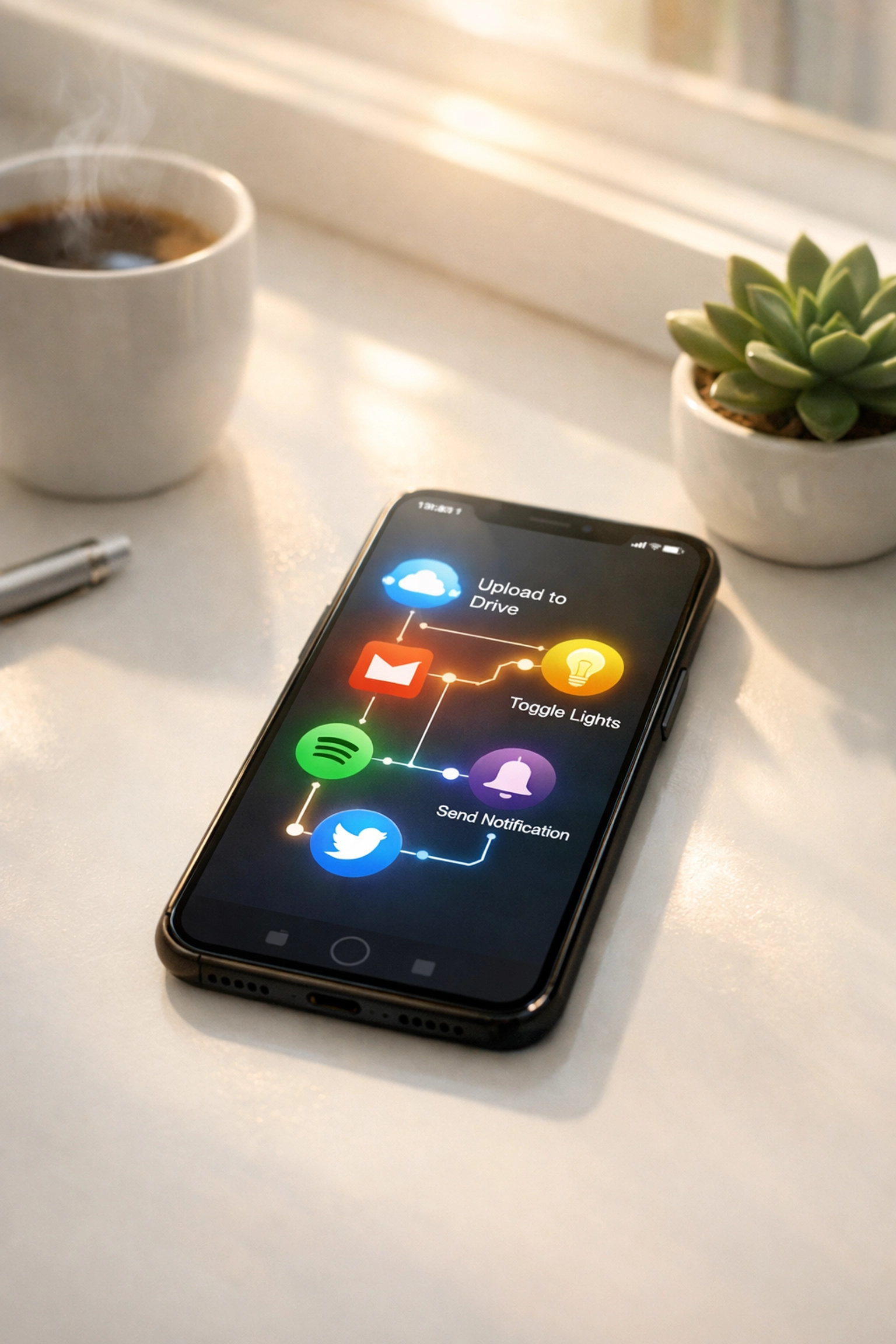
Automation platforms have evolved to become sophisticated orchestrators of digital life. IFTTT (If This Then That) enables users to create automated workflows that handle repetitive morning tasks without requiring manual intervention across multiple applications. This approach addresses one of the primary sources of morning stress: the mental load of remembering and executing numerous small tasks.
The platform's strength lies in its ability to configure personalized morning routines through "applets" that trigger specific actions based on predetermined conditions. Weather forecasts can be automatically delivered at designated times, ensuring individuals can plan their day appropriately without actively checking multiple sources. Morning news digests arrive curated and ready for consumption, eliminating the need to scroll through overwhelming social media feeds or news aggregators (IFTTT, 2024).
Calendar notifications represent another critical application of automation technology. By configuring systems to provide reminders 15 minutes before scheduled events, individuals gain valuable transition time to mentally prepare and organize materials. This proactive approach prevents the common scenario of discovering conflicts or missed appointments mid-morning, when options for resolution have become limited (IFTTT, 2024). The cumulative effect of these automated processes creates breathing room in the morning schedule, allowing focus to shift from logistical management to more meaningful activities.
Smart Lighting Systems: Aligning Technology with Biology
The relationship between light exposure and circadian rhythms represents a fundamental aspect of human biology that traditional alarm systems often ignore. Smart lighting systems with sunrise simulation capabilities offer a significant improvement over conventional wake-up methods by gradually increasing brightness to mimic natural dawn conditions. This technology addresses the physiological reality that abrupt awakening causes stress responses and makes the transition to wakefulness more challenging.
Automated lighting systems that synchronize with sunrise patterns create a gentle transition from sleep to alertness. Rather than experiencing the jarring shock of traditional alarms, users wake naturally as their environment brightens progressively. This approach respects the body's natural processes while still ensuring timely awakening (IFTTT, 2024). The implementation requires minimal daily interaction once configured, making it an ideal example of technology that operates effectively in the background.
FocusTime with Website Blocking: Protecting Morning Attention

The modern challenge of maintaining focus has intensified as digital distractions multiply. Morning hours, when cognitive resources are at their peak, present valuable opportunities for focused work that can easily be compromised by habitual checking of social media, news sites, or entertainment platforms. FocusTime addresses this vulnerability through proactive intervention rather than requiring continuous willpower.
The application automatically blocks access to predetermined distracting websites at the beginning of each day, creating a protective barrier around morning focus time. Integration with Android devices extends this protection by muting phones when focus sessions activate, eliminating notification interruptions that fragment attention. The ability to quickly activate Do Not Disturb mode provides additional control during critical morning tasks (IFTTT, 2024).
This approach recognizes an important truth about digital behavior: intentional barriers are more effective than relying solely on self-discipline. By making distracting options temporarily unavailable, the tool removes the need for repeated micro-decisions about whether to check various sites or applications. The mental energy preserved through this automation can be redirected toward substantive morning activities.
Google Calendar with Smart Notifications: The Foundation of Temporal Awareness

Time management remains one of the most persistent morning challenges, particularly in coordinating multiple commitments and transitions. Google Calendar's integrated notification system provides a solution through strategically timed reminders that create buffer zones between activities. The 15-minute advance notification feature has emerged as particularly valuable, offering sufficient time for mental preparation and task transition without excessive advance warning that might be forgotten (IFTTT, 2024).
This notification strategy prevents the common problem of discovering scheduling conflicts or upcoming obligations at the last moment. The advance warning creates opportunities for adjustment and preparation, transforming reactive scrambling into proactive management. The system's integration across devices ensures consistent access to scheduling information regardless of which platform is being used at any given moment.
The effectiveness of this tool stems from its ability to externalize temporal awareness. Rather than requiring individuals to constantly monitor the clock or maintain mental tracking of upcoming commitments, the system assumes responsibility for time management and intervenes at optimal moments. This delegation of cognitive load represents a key principle of effective morning technology.
Fhynix Daily Routine App: AI-Powered Schedule Optimization
The evolution of task management has progressed from simple to-do lists to sophisticated systems that understand context, capacity, and realistic planning. Fhynix represents the next generation of morning planning tools through its integration of artificial intelligence with practical scheduling features. The platform combines calendar integration, intelligent task management, and built-in Pomodoro timing to create comprehensive morning structure.
The visual time-blocking interface transforms abstract task lists into concrete, scheduled blocks of time, making morning plans tangible and actionable. This visualization helps prevent the common problem of over-commitment by making time constraints immediately apparent. The AI component analyzes individual work patterns to suggest realistic morning schedules that account for actual capacity rather than optimistic projections (Fhynix, 2024).
The built-in Pomodoro timer adds an execution layer to the planning features, facilitating sustained focus during morning work sessions. By combining strategic planning with tactical execution tools, Fhynix addresses both the "what" and "how" of productive mornings. The platform's learning capability means recommendations improve over time, adapting to observed patterns and preferences.
The Integration Advantage
The true power of these tools emerges not from individual features but from their collective integration into a cohesive morning system. Automation handles routine tasks, lighting systems support biological rhythms, focus tools protect attention, calendar systems manage time awareness, and AI-powered planning optimizes schedule design. Together, these technologies create an environment where morning routine flows naturally rather than requiring constant management.
The selection of appropriate technology requires consideration of individual needs, existing workflows, and specific morning challenges. Not every tool will suit every situation, but the availability of specialized solutions means individuals can construct personalized systems that address their unique circumstances. The goal remains consistent: reducing the cognitive and logistical burden of mornings to create space for meaningful activities.
In conclusion, the relationship between technology and morning routines need not be adversarial. When tools are selected thoughtfully and implemented strategically, they become genuine enablers of efficiency and calm. The five technologies discussed represent significant opportunities for transforming morning chaos into structured productivity. By embracing automation, respecting human biology, protecting attention, managing time proactively, and leveraging artificial intelligence, individuals can reclaim their mornings and establish positive momentum for the entire day.
References:
IFTTT. (2024). Morning routine automation workflows. Retrieved from https://ifttt.com
Fhynix. (2024). Daily routine app with AI-powered scheduling. Retrieved from https://fhynix.com