URL Slug: dmv-news-headlines-maryland-national
Meta Description: Stay updated on the latest DMV headlines. Learn about Maryland transportation laws, national licensing rulings, and significant road safety updates.
Tags: Maryland News, Virginia News, DC News, Transportation, DMV Updates, Tesla, Road Safety, National News
Category: Maryland Statewide News
Status: Draft
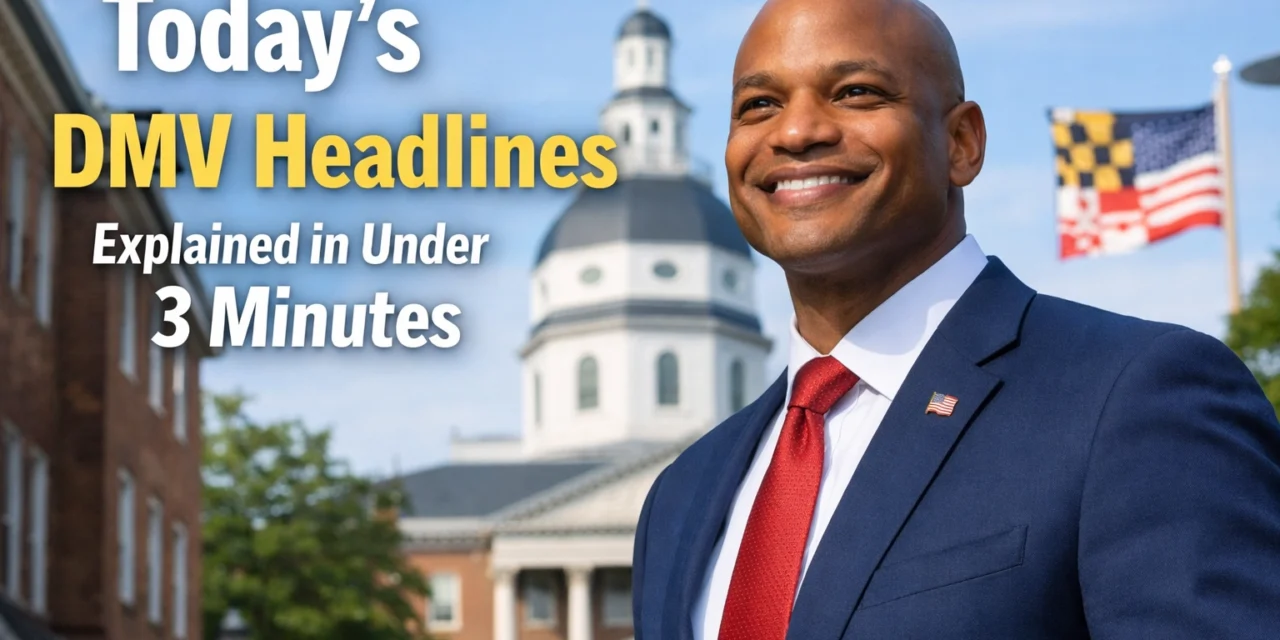
Today's DMV Headlines Explained in Under 3 Minutes
The landscape of transportation and regional regulation is undergoing a period of significant transformation. For residents of the Maryland, District of Columbia, and Virginia (DMV) area, staying informed about these shifts is a critical component of navigating modern civic life. The current updates in motor vehicle regulations, legal rulings, and infrastructure safety reflect a broader national movement toward increased accountability and technological integration. This post provides a comprehensive overview of the most critical developments affecting the region and the nation as of February 2026.
The Evolution of Automated Driving Standards
One of the most significant headlines in the national transportation sector involves the legal proceedings between Tesla and regulatory bodies. The California Department of Motor Vehicles recently moved forward with a ruling regarding the marketing of "Autopilot" and "Full Self-Driving" technologies. It was determined that the terminology used in marketing materials could potentially mislead consumers regarding the actual capabilities of the vehicles. In response to these regulatory pressures, the manufacturer has rebranded "Autopilot" as "Traffic Aware Cruise Control" and has transitioned to the label "Full Self-Driving (Supervised)" to more accurately reflect the necessity of human intervention (California Department of Motor Vehicles, 2025).
This development is particularly relevant for Maryland and Virginia drivers, as these states often look toward national precedents to shape local consumer protection laws. As autonomous features become more common on the Capital Beltway and I-95 corridor, the clarity of these definitions serves as a foundation for driver safety. The shift in terminology represents a significant step toward transparency in the automotive industry.

Commercial Licensing and Labor Protections
A critical legal ruling has recently emerged regarding the rights of immigrant workers in the transportation industry. A Bay Area judge ruled that immigrant truck drivers must be permitted to retain their commercial licenses, at least temporarily. This decision blocked state actions that would have revoked these credentials. While the ruling originated on the West Coast, the implications for the national supply chain and labor market are profound.
In the Maryland and Virginia region, the logistics and trucking industries are vital components of the local economy. Ensuring that qualified drivers can remain on the road is essential for maintaining the flow of goods through our ports and distribution centers. This ruling highlights the ongoing balance between regulatory compliance and the protection of individual livelihoods within the essential workforce. It suggests a future where labor stability remains a key priority for lawmakers across the country. You can find more information about the intersection of business and regional growth at Richard T. Terry's portfolio.
The Growth of Autonomous Testing
The integration of technology into our daily commutes continues to expand at a rapid pace. National data indicates that autonomous vehicle permit holders logged over 9 million test miles between late 2024 and late 2025 (Department of Transportation Trends, 2025). This milestone is a testament to the significant progress being made in the field of artificial intelligence and vehicular safety.
For the DMV area, which serves as a hub for both technology and government policy, these test miles represent a glimpse into the future of urban mobility. The data gathered from these millions of miles provides critical insights that will eventually lead to safer roads and more efficient transit systems. Like a river carving a path through stone, the consistent testing of these systems is gradually reshaping the landscape of modern transportation. Information regarding technological trends can be explored further in the technology section of our blog.

New Road Safety Laws for 2026 and Beyond
As we move through 2026, several new laws have officially taken effect that will influence how we share the road. While these laws are being introduced in various stages across the country, their core principles are focused on the protection of vulnerable populations and emergency responders. Significant changes include:
- School Zone Speed Limits: New regulations are paving the way for lower school zone speed limits, with many jurisdictions targeting a reduction to 20 mph. These changes are designed to enhance the safety of students and pedestrians in high traffic areas.
- Move Over Requirements: Legislation has expanded the "Slow Down, Move Over" requirements. Drivers are now required to exercise increased caution not only for emergency vehicles but also for any stationary vehicle displaying hazard lights on the shoulder.
- License Plate Obstruction: Stricter penalties have been introduced for the use of license plate covers or any physical obstruction that prevents automated toll and safety cameras from identifying a vehicle.
These legislative updates represent a proactive approach to public safety. In Maryland, these measures align with the state's broader commitment to reducing traffic fatalities and improving the overall quality of life for its residents. Staying compliant with these rules is a responsibility shared by every motorist in the region.
Infrastructure and Regional Development
The DMV area remains a focal point for significant infrastructure investment. From the continued progress on the Maryland Purple Line to the improvements along the I-270 corridor, the commitment to regional connectivity is evident. These projects are more than just construction sites: they are symbols of growth and the pursuit of a more integrated community.
Opportunities for economic development often follow the path of improved transportation. As transit options expand, new neighborhoods become accessible, and local businesses find new markets. This forward looking perspective is essential for the continued prosperity of the region. For those interested in the broader impact of these developments on Maryland, the Maryland Statewide News category provides ongoing coverage.

Establishing a Foundation for Progress
The challenges of modernizing a complex transportation network can be compared to the process of building a grand cathedral. It requires patience, precise planning, and a collective effort from many different stakeholders. Each new regulation and every mile of tested technology serves as a single stone in the larger structure of a safer society.
The current headlines reflect a neutral to positive trend in how we manage our roads. While the legal disputes over terminology or licensing may seem technical, they are the necessary friction that leads to more refined and fair systems. The focus on safety, transparency, and technological advancement provides an optimistic outlook for the years ahead.
Important Updates for Maryland Motorists
Maryland drivers should be particularly aware of the administrative changes occurring at the state level. The Maryland Department of Transportation continues to modernize its digital services, making it easier for residents to renew registrations and update their records online. This shift toward digital efficiency is a significant benefit for busy professionals and families throughout the state.
Furthermore, the emphasis on green energy initiatives within the DMV area is leading to an increase in electric vehicle charging infrastructure. This growth is supported by both state incentives and federal grants, ensuring that the region remains a leader in sustainable transportation. Such progress is a critical component of the state’s long term environmental goals.

In Conclusion
In conclusion, the headlines from the DMV and the national stage emphasize a period of critical growth and refinement. From the rebranding of automated driving features to the protection of commercial licenses and the implementation of new safety laws, the focus remains on progress. These developments ensure that our transportation systems are not only more efficient but also more equitable and safe for everyone.
By staying informed about these changes, you are better equipped to navigate the roads and the regulatory environment of Maryland, DC, and Virginia. The future of the region is bright, and the ongoing commitment to safety and innovation will continue to drive us forward toward new opportunities. For further updates and personal insights, you are encouraged to visit the Richard T. Terry blog regularly.
References
- California Department of Motor Vehicles. (2025). Regulatory Findings on Automated Driving Terminology.
- Department of Transportation Trends. (2025). Annual Report on Autonomous Vehicle Testing and Safety.
- Legal Gazette. (2026). Judicial Rulings on Commercial Licensing and Labor Rights.
- Maryland Highway Safety Office. (2026). 2026 Legislative Updates for Motorists.