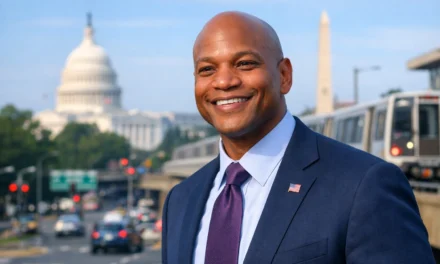
Staying informed about regional developments represents a critical component of engaged citizenship. The DMV region continues to experience significant events that shape the daily lives of residents across DC, Maryland, and Virginia. Sunday's developments bring both tragic news and ongoing environmental concerns that demand attention and awareness from the broader community.
Tragedy Strikes Northern Virginia Community
A devastating incident in Woodbridge has left the Northern Virginia community reeling. Four individuals, including a 2-year-old child, were found dead following a stabbing incident that authorities are investigating as a suspected murder-suicide (Prince William County Police Department, 2026). The tragedy underscores the importance of community support systems and mental health resources throughout the region.
Law enforcement officials continue to investigate the circumstances surrounding this heartbreaking event. While details remain under investigation, the incident serves as a sobering reminder of the challenges many families face behind closed doors. Community leaders are expected to address resources available for those experiencing crisis situations in the coming days.

The response from local authorities demonstrates the coordinated approach that regional police departments maintain when confronting such serious incidents. Investigators are working to piece together the timeline of events while providing support to neighbors and community members affected by this tragedy. The incident has sparked conversations about early intervention strategies and the critical importance of recognizing warning signs in those who may be struggling.
Potomac River Sewage Crisis: Ongoing Developments
The environmental challenge that began on January 19 continues to dominate regional headlines. The 243-million-gallon sewage spill in Montgomery County, Maryland has created rippling effects throughout the DMV area, particularly affecting communities along the Potomac River corridor (Virginia Department of Environmental Quality, 2026). This significant environmental incident requires sustained attention from multiple state agencies and local governments.
Water quality testing remains a top priority for environmental officials across the region. Virginia's Department of Environmental Quality has expanded its sampling program to include various locations in state waters, ensuring comprehensive monitoring of potential impacts (VDEQ, 2026). The systematic approach to testing demonstrates the commitment of regional authorities to protecting public health and environmental integrity.

Governor Abigail Spanberger has provided reassurance to Virginia residents regarding drinking water safety. Her statements emphasize that Virginia's drinking water systems remain unaffected by the spill, offering peace of mind to millions of residents who rely on these essential services (Office of the Governor, 2026). This clear communication represents a key element in maintaining public confidence during environmental emergencies.
Infrastructure Repairs and Timeline Projections
DC Water has outlined a comprehensive repair strategy for addressing the burst pipe that caused this unprecedented spill. Temporary repairs are projected to require approximately six weeks, while permanent infrastructure restoration will extend for roughly nine months (DC Water, 2026). These timelines provide stakeholders with clear expectations for resolution of the infrastructure failure.
The extended repair period reflects the complexity of addressing aging water infrastructure in urban environments. Engineers must navigate numerous challenges, including coordinating with other utilities, maintaining service to customers, and ensuring that repairs meet long-term durability standards. The incident highlights broader conversations about infrastructure investment and maintenance priorities throughout the metropolitan region.
Recreational water users face continued restrictions during this recovery period. A recreational advisory covering 72.5 miles of Virginia's Potomac River coastline remains in effect, cautioning individuals to avoid direct contact with the water (VDEQ, 2026). These precautionary measures protect public health while allowing environmental recovery processes to proceed.
Community Response and Environmental Stewardship
Regional communities have demonstrated remarkable resilience in responding to these ongoing challenges. Environmental advocacy groups continue to monitor water quality independently, providing additional layers of oversight and public information. This collaborative approach between government agencies and civic organizations strengthens the overall response to environmental incidents.

Educational opportunities have emerged from this crisis, with schools and community centers hosting discussions about water conservation, infrastructure maintenance, and environmental protection. These conversations engage residents of all ages in understanding the interconnected systems that support daily life in the DMV region. Young people particularly benefit from learning how environmental stewardship connects to personal responsibility and community wellbeing.
Local businesses along the Potomac River have adapted their operations in response to the ongoing advisory. Marinas, recreational outfitters, and waterfront establishments have implemented alternative programming while maintaining economic viability. This adaptability showcases the entrepreneurial spirit that characterizes the DMV business community.
Looking Forward: Regional Resilience and Growth
The DMV region continues to demonstrate its capacity for addressing complex challenges through coordinated action and sustained commitment. Both the tragic incident in Woodbridge and the ongoing environmental response to the sewage spill reveal the importance of robust public services, mental health resources, and infrastructure investment.
Opportunities for strengthening community bonds emerge even during difficult periods. Neighbors supporting neighbors, agencies collaborating across jurisdictional boundaries, and residents staying informed about developments all contribute to regional resilience. The collective response to these events will shape future preparedness and prevention strategies.
Infrastructure modernization represents a critical investment priority for the coming years. The sewage spill highlights vulnerabilities in aging systems that require proactive attention and sustained funding. Regional leaders face important decisions about allocating resources to prevent future incidents while addressing immediate repair needs.
Mental health services and crisis intervention programs deserve expanded attention and investment. The Woodbridge tragedy underscores the silent struggles that some community members face. Ensuring accessible, stigma-free mental health support throughout the DMV region represents a key component of community safety and wellbeing.
Staying Informed and Engaged
Regional residents are encouraged to monitor official communications from state and local authorities regarding both ongoing situations. Water quality updates, recreational advisories, and safety information provide essential guidance for making informed decisions about daily activities and outdoor recreation.
Community meetings and public forums offer valuable opportunities for residents to voice concerns, ask questions, and participate in solution-building processes. Engaged citizenship strengthens the democratic fabric of the DMV region and ensures that diverse perspectives inform policy decisions and resource allocation.
In conclusion, Sunday's developments in the DMV region present both challenges and opportunities for growth. The tragic loss of life in Woodbridge reminds us of the importance of community support systems and mental health awareness. The ongoing response to the Potomac River sewage spill demonstrates the coordination and expertise that regional agencies bring to environmental protection. Moving forward, the DMV community will continue to demonstrate resilience, adaptability, and commitment to creating safer, healthier environments for all residents.